

Tropical Paradise Turns Tragedy: Vietnam Boat Disaster Sparks Corporate, Policy Reckoning
POLICY WIRE — Hanoi, Vietnam — The vibrant tapestry of a tropical escape — picture perfect beaches, clear waters, and the promise of serene island vistas — often conceals the cold mechanics of policy...

POLICY WIRE — Hanoi, Vietnam — The vibrant tapestry of a tropical escape — picture perfect beaches, clear waters, and the promise of serene island vistas — often conceals the cold mechanics of policy and profit. So it went when a day of sightseeing became a struggle for survival, a swift, brutal end to a vacation for 15 Indian nationals, all within a stone’s throw of what was meant to be safety. This wasn’t some far-flung, perilous expedition, but a routine return from Hon May Rut Ngoai Island, mere meters from Phu Quoc’s familiar shores.
It was a Saturday afternoon, wind in their hair perhaps, the sun on their skin, when the speedboat, carrying 32 Indian tourists and four crew members, decided it just wouldn’t anymore. Witnesses tell a stark story. The vessel, a standard amenity for such getaways, flipped with a horrifying suddenness. One observer, Ashish Kumar, an Indian who was there, put it plainly, “The boat had not even gone half a kilometer when it just tipped over.” And then, in a terrifying instinct, a unified plea ripped through the crashing waves: “We screamed, ‘Help! Help!’” [QUOTE_PLACEHOLDER]
Rescue boats, quick as they could be, rushed to the scene. But you know how it’s with time in a crisis; it either races or crawls. “But by then it was too late,” Kumar recounted. The chilling coda? A stark absence of readily available emergency medical care when survivors finally made it back to land. Think about it: a bustling tourist hub, and crucial first-response infrastructure just wasn’t there, not in any meaningful, immediate sense. It begs questions.
Many of these travelers weren’t just on holiday. They were on the clock, in a way. At least some, we now know, were part of a corporate tour, arranged by their employer, a tech firm specializing in smartphones and other electronics. Imagine the grim phone calls. Kumar, speaking of his friends, some of whom were on that boat, painted a picture of raw personal loss: “Two have died, and the other, I was told, is critical.” India’s Lava International, a smartphone and consumer electronics manufacturer, later confirmed their involvement, offering boilerplate assurance that, “Our immediate priority is to extend all possible support to those affected and their families.”
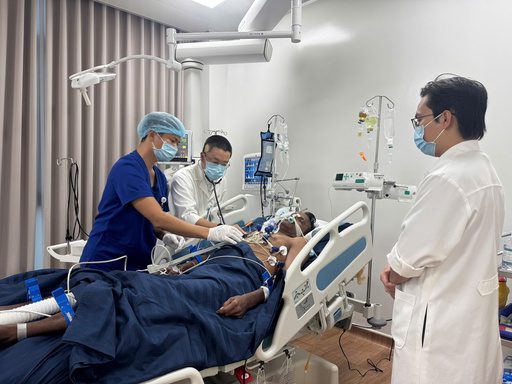
Footage broadcast on Vietnamese TV captured the raw, unsettling visuals: rough seas, powerful winds lashing. Rescue teams, doing what they could, threw life buoys into the churn. Jet skis, those emblems of beach fun, became frantic shuttles, ferrying drenched, shivering, often traumatized survivors back to shore. On the sand, locals — and some other tourists provided basic first aid, a desperate, impromptu medical station. In the end, twenty-one people were pulled from the water alive, and all the deceased were eventually recovered, authorities confirmed. The injured found their way to hospitals, where the deeper trauma would begin to set in.
Vietnamese Prime Minister Le Minh Hung didn’t waste time. He ordered an investigation, as one does, — and directed officials to hold those accountable responsible. He also asked for a thorough review of waterway — and maritime safety protocols in that region. From halfway across the continent, Indian Prime Minister Narendra Modi offered his condolences on social media, assuring everyone the Indian Embassy was providing all possible assistance. Many of the victims hail from India’s southern Telangana and Tamil Nadu states, where control rooms were established to coordinate aid and inform anxious families. Tamil Nadu’s chief minister publicly pushed Indian authorities to ensure swift repatriation of the bodies. It’s a sad, familiar rhythm of diplomatic response to overseas tragedy.
This incident isn’t just a sad news item. It pulls back the curtain on a bigger trend. India is now one of Vietnam’s fastest growing tourism markets. The Southeast Asian nation greeted roughly 750,000 Indian visitors in 2025, which represents an astonishing jump of nearly 50% from the previous year, officials say. This growth isn’t accidental; it’s driven by expanding direct flight networks between major Indian and Vietnamese cities and a rather liberal e-visa policy, a clear push to lure more of India’s burgeoning middle and upper classes. But more travelers mean more pressure on local infrastructure, regulations, and safety standards, especially when corporate entities are sending large groups. You’ve got to ask if policy development keeps pace with commercial ambition.
What This Means
This tragic incident in Phu Quoc, often lauded as a premier destination, reverberates far beyond the immediate grief. Economically, Vietnam’s booming tourism sector, heavily reliant on an attractive image, could take a hit. Authorities here must now show transparent, decisive action to reassure both international visitors and the corporate entities sending their employees abroad. They’ve got to beef up enforcement of safety regulations. It’s a question of maintaining economic momentum versus the potential erosion of trust. Politically, Prime Minister Hung’s immediate order for an investigation isn’t just about culpability; it’s a critical signaling mechanism to an international audience. Any perceived slackness in justice or regulatory oversight could have lasting repercussions on diplomatic ties and tourism flows from South Asia.
For India, and indeed for Pakistan and the wider Muslim world (whose increasingly affluent populations are also looking towards Southeast Asia for leisure and business opportunities), this incident highlights a growing geopolitical and economic consideration: the safety and security of citizens traveling, often in large groups, to new, rapidly developing markets. Corporations, like Lava International in this case, face increased scrutiny regarding their duty of care for employees on overseas assignments or incentive trips. Insurance policies, local safety audits, and emergency protocols for corporate travel abroad will become much more prominent features in policy discussions. As globalization facilitates easier travel and business, governments and companies alike will face mounting pressure to safeguard their people, turning local maritime accidents into broader policy headaches regarding international travel standards and corporate responsibility.