


Europe’s Fever Dream: Barcelona’s High-Stakes Wager in a Market Gone Wild
POLICY WIRE — Madrid, Spain — Midsummer in Europe, and the only thing hotter than the continental heatwave is the perennial transfer market delirium. Millions, sometimes billions, of euros—actual...

POLICY WIRE — Madrid, Spain — Midsummer in Europe, and the only thing hotter than the continental heatwave is the perennial transfer market delirium. Millions, sometimes billions, of euros—actual cash or promises of it—swirl in an annual carnival of speculation, desire, and, quite frankly, often profound absurdity. This isn’t just about athletic prowess anymore; it’s about branding, global reach, and balancing insatiable ambition against the cold, hard ledger sheet. And nowhere is that tightrope walk more precarious than at a titan like FC Barcelona.
Fans, those passionate devotees from Catalonia to Karachi, obsess over every whispered rumor, every speculative tweet. But for clubs like Barça, the game’s played on an altogether different pitch—one where financial regulations loom larger than the penalty box. They’re chasing dreams, but they’ve also got debts. Big ones.
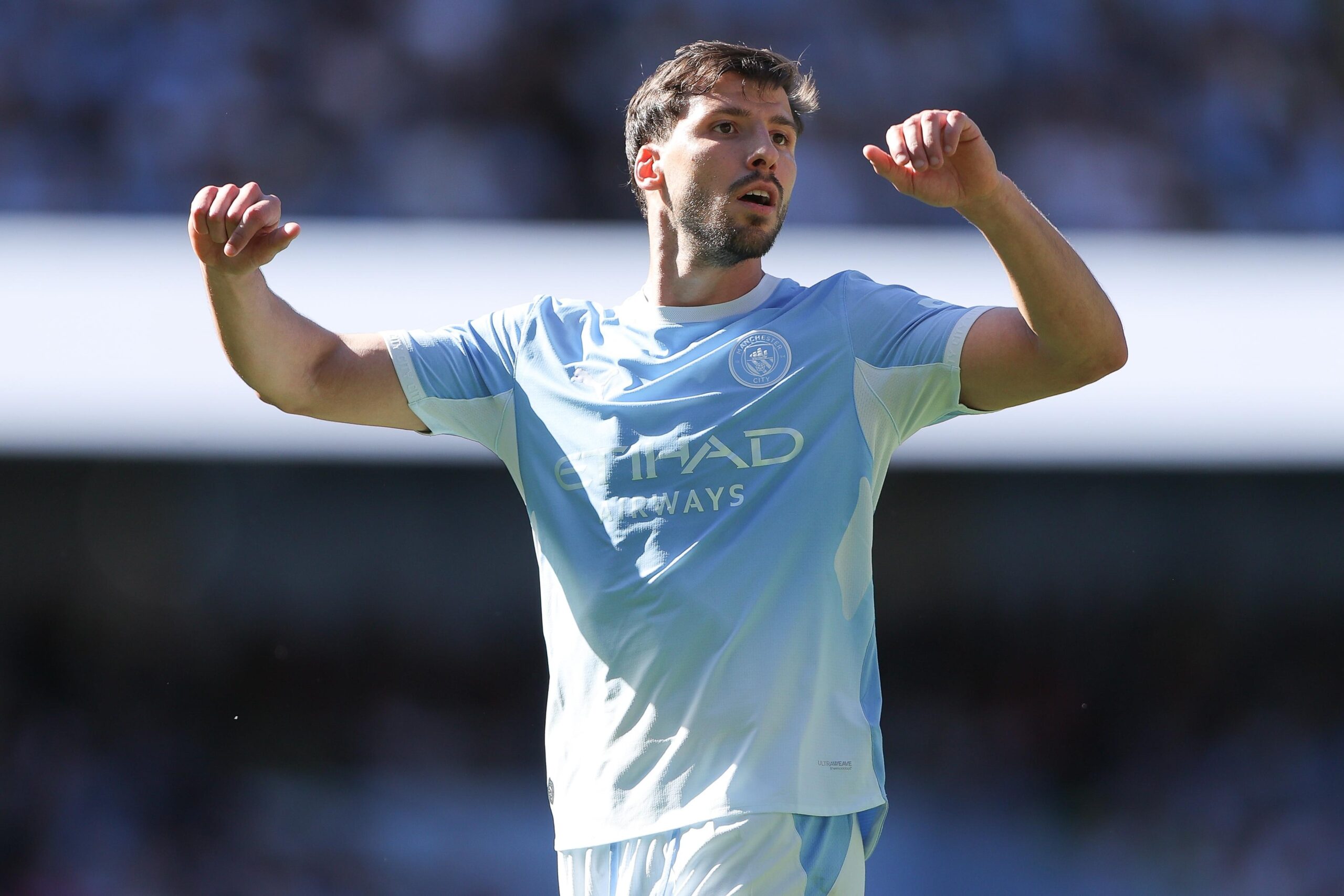
Consider Rúben Dias, the granite-hewn center-back at Manchester City. Real Madrid, Chelsea, — and yes, Barcelona, have all poked around. They’ve asked the polite questions. And every single time, City’s response has been unwavering: he’s not for sale. Not at any price, it seems. That’s got to sting if you’re a sporting director trying to land your primary target. It’s a bit like asking if the Crown Jewels are for sale—a polite but firm ‘no’ is all you’ll ever get. You know, money talks, but sometimes a steel wall shouts louder.
Man City’s Sporting Director, Txiki Begiristain, doesn’t mince words. “Rúben isn’t just a player for us; he’s the linchpin,” Begiristain reportedly told a close confidante. “Any talk of him leaving? Pure fantasy. We’ve got our targets, sure, but protecting our core is non-negotiable. That message couldn’t be clearer, no matter how many heavyweights come calling.” And just like that, one domino in Barcelona’s grand transfer plan hits a dead end. They’ve had to accept it. Sometimes you just don’t get your way, even when you’re a club with their legacy.
This isn’t about mere pique; it’s about strategic paralysis. But there are always other fish in the sea, aren’t there? Sometimes smaller, less exotic, but perhaps more attainable. Mikel Oyarzabal, for instance, of Real Sociedad. Barcelona reportedly keeps tabs on him. But loyalty, quaint as it might seem in this age of mercenary movement, still exists. “I’ve already said that I’m very happy at Real Sociedad,” Oyarzabal declared recently. It’s a clean answer, though you never know when an inflated wage packet and a bigger stage can change a player’s ‘happiness’ quotient.
Then you’ve got the youth brigade, the wide-eyed dreamers like Gavi. He’s out there publicizing his hopes for Manchester City’s Julián Álvarez to join the ranks. “I hope so, it’s his dream,” Gavi offered, perhaps a touch naively. But wishful thinking, however endearing, doesn’t often translate into concrete deals when the cash registers aren’t ringing in harmony. For many European football powerhouses, balancing youthful exuberance with pragmatic finances is a constant battle. Globally, it’s also about tapping into nascent talent pools, often far from the traditional centers, creating new feeder systems and, yes, new markets.
Barça’s internal affairs paint an equally vivid picture of financial constraint. Christian Christensen’s contract, for example, reportedly includes a rather aggressive clause. If the Danish defender fails to play in 30% of matches next season, the Blaugrana can simply—unilaterally—terminate his second year. That’s not a vote of confidence; it’s an insurance policy. A desperate one, perhaps, for a club trying to shed any unnecessary weight. It speaks volumes about the fiscal tightening in effect, even as they chase superstar acquisitions. It’s a pragmatic move in an environment where every single salary is scrutinized, unlike the pre-COVID free-for-all days.
And Pablo Torre, the young Cantabrian, saw his season end in relegation, albeit as a key player. Barcelona’s still monitoring his situation, holding the cards. It’s an exercise in squad management, identifying raw talent and calculating how best to develop it, whether on loan or within their system. That’s good long-term planning, if nothing else.
What This Means
This daily churn of speculation isn’t just fodder for sports pages; it’s a barometer of global economic health, filtering down to the grassroots of even the most obsessed football-following nations. In South Asia, where European leagues command astronomical viewership figures—especially among Pakistan’s passionate football fan base, drawn to the likes of Europe’s grand contests played out in prime local viewing hours—the financial machinations of clubs like Barcelona resonate deeply. It’s a multi-billion dollar industry that affects everything from television rights to brand sponsorships, injecting revenue into struggling economies, albeit in sometimes unexpected ways. When big clubs struggle, the ripples extend far beyond European shores.
Barça, once synonymous with limitless ambition, now navigates a far more constrained reality. FIFA’s annual Global Transfer Report for 2023 indicated total international transfer spending surged to a record $9.63 billion, with a significant chunk controlled by a handful of elite clubs. Yet, for Barcelona, every single transfer — or failed transfer — represents a delicate balance between retaining competitive fire and staying solvent. The days of simply throwing cash at every problem, especially for clubs outside the English Premier League, appear largely over. They’ve got to be smarter, tougher, more resourceful. Because this isn’t just about who signs for whom; it’s about the financial viability of an entire, globally watched institution.
But the pressure to compete, to maintain an image of prestige, never really goes away. Especially not for a club as globally recognized as Barcelona. FC Barcelona President, Joan Laporta, encapsulates this struggle with typical gravitas: “We’re not here to window-shop. We have objectives, yes, but also a deep responsibility to this club’s future. You want the best? We all do. But sanity? It must prevail. Every Euro spent has to make sense for our legacy, for our fans who keep us going, here and far beyond Spain’s borders.” This isn’t just football, it’s high finance playing out in front of a stadium full of screaming fans. And the rest of the world, millions of miles away, is watching every single pass, every misstep, every audacious attempt to reshape the future.