


England’s Chaotic Ascent: A Win for Grit, Not Grandeur, as National Psyche Bares All
POLICY WIRE — Doha, Qatar — It wasn’t the sublime display analysts had perhaps banked on. Instead, England’s recent nail-biting, red-card-riddled, penalty-strewn 3-2 victory over a...

POLICY WIRE — Doha, Qatar — It wasn’t the sublime display analysts had perhaps banked on. Instead, England’s recent nail-biting, red-card-riddled, penalty-strewn 3-2 victory over a tenacious Mexico felt less like a triumph of footballing artistry and more like a visceral wrestling match, perfectly capturing a certain national spirit – or perhaps, a deep-seated neurosis.
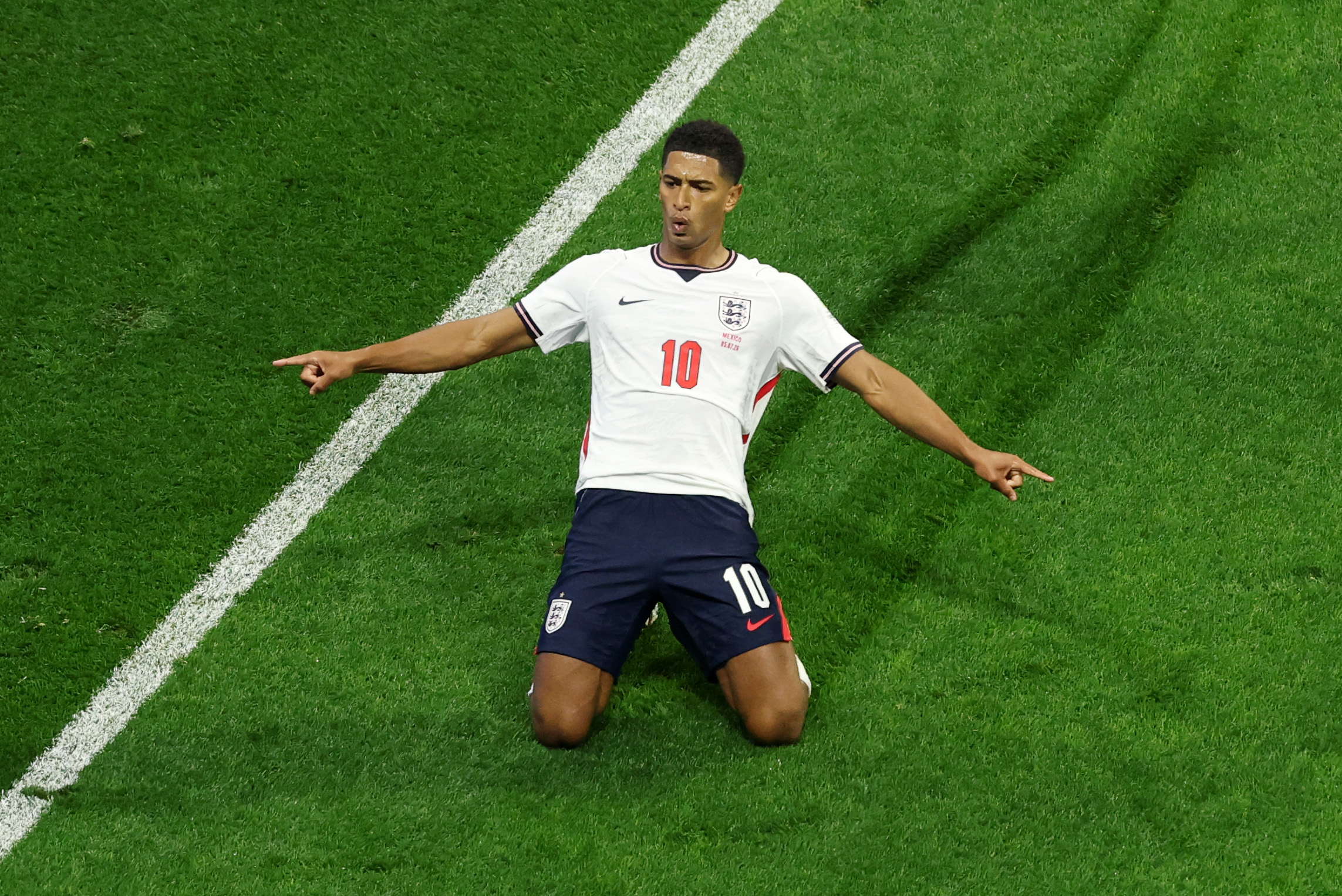
After ninety minutes of unscripted chaos that saw England clinging to a lead, a dishevelled side scraped into the World Cup quarter-finals. Midfielder Jude Bellingham, whose electrifying early double momentarily disguised the emerging pandemonium, quickly labelled it a “country performance.” And he’s right, it was; but what sort of country, one might ask? One prone to fits and starts, perhaps. One capable of brilliance, certainly. But also one that regularly finds itself in entirely avoidable messes, relying on last-ditch heroics rather than smooth execution. This wasn’t some choreographed ballet; it was street brawling.
The match, staged in an atmosphere as vibrant as it was volatile, saw Bellingham net in the 36th and 38th minutes, silencing – however briefly – the Mexican faithful. But then Julian Quiñones pulled one back before half-time, shattering the illusion of control. And, as if sensing the moment demanded more drama, Jarell Quansah earned an early bath post-VAR review in the second half, leaving England down to ten men. Suddenly, a comfortable lead became a tightrope walk. Harry Kane then slotted a penalty to restore a two-goal cushion, only for Raúl Jiménez to do the same for Mexico minutes later. The final thirty minutes were pure, unadulterated, gut-wrenching English football.
“This wasn’t pretty football; it was football in its rawest form,” remarked Mark Bullingham, CEO of The FA, reflecting on the tumultuous win. “But sometimes, that’s what galvanises a nation, reminding us what true resilience looks like on — and off the pitch. It’s never simple, is it?” Indeed, simplicity rarely enters the lexicon when discussing England on the grandest stage. They do things the hard way, you see. That’s just how it’s.
Bellingham, only 23, spoke of an unparalleled pride. “I’ve never been prouder of a group of lads, a squad, a nation,” he stated, his voice still hoarse from the fray. His words, delivered with youthful sincerity, reflect a peculiar truth: this messy victory often tastes sweeter, feels more authentic, than a clinical whitewash. Because it feels earned – blood, sweat, — and several panic attacks later.
The collective anxiety back home, shared across diverse communities, from London’s bustling Pakistani enclaves to Glasgow’s Celtic strongholds, speaks to the sport’s unparalleled ability to momentarily overshadow geopolitical squabbles. People tune in, regardless of ancestry or current political leanings, because England’s journey on the field has become a potent proxy for national pride and, often, national grievance. According to a 2022 YouGov survey, over 60% of British adults claim a major sporting event can temporarily boost national morale, dwarfing the impact of most political speeches. But for some, that national pride is a double-edged sword, perpetually swinging between triumph — and ridicule. It’s a burden, frankly.
What This Means
Beyond the simple fact of progress in a major tournament, England’s tumultuous win over Mexico is a nuanced affair with broader implications. On one hand, it’s a showcase of grit, proving this team possesses a stubbornness often associated with the British character—a willingness to hang on, no matter how ragged things get. This resilience is a valuable, if not always aesthetically pleasing, soft power asset. It communicates a certain tenacity to global audiences, especially in an era where European football’s financial landscapes are shifting dramatically, demanding more than just talent but unwavering nerve.
However, the performance itself also underlines a perennial issue: inconsistency. The gap between fleeting brilliance and frustrating lapses suggests underlying structural frailties that can resurface under pressure. It’s not unlike observing certain political processes, is it? Moments of inspired policy making are too often followed by bewildering backpedalling or procedural snarls. The football mirrors the bureaucracy; both are capable, yet maddeningly unpredictable. The domestic reverberations are immediate; a temporary uplift in national mood, an escape from economic woes and political squabbles that even the most cynical observer can’t deny. It’s cheap, potent catharsis.
Culture Secretary Lucy Frazer MP, always quick to embrace such moments, didn’t miss a beat. “Every tackle, every save, every goal echoes far beyond the stadium,” she asserted, a day after the match. “These moments, these collective exhales of relief, they’re invaluable. They bind us, reminding the world what Britain’s made of – grit and, occasionally, sheer stubbornness.” This type of rhetoric, framing sporting achievement as a direct reflection of national identity, is, of course, classic. It’s a convenient narrative, often deployed to gloss over less flattering realities. But the public, for the most part, eats it up, because in a fragmented world, collective exhalation is a rare commodity. It’s certainly a lot more comforting than dwelling on, say, GDP figures. They’ll need to do more than scrape by in the next round, though. One imagines the nation’s blood pressure simply couldn’t take it.