


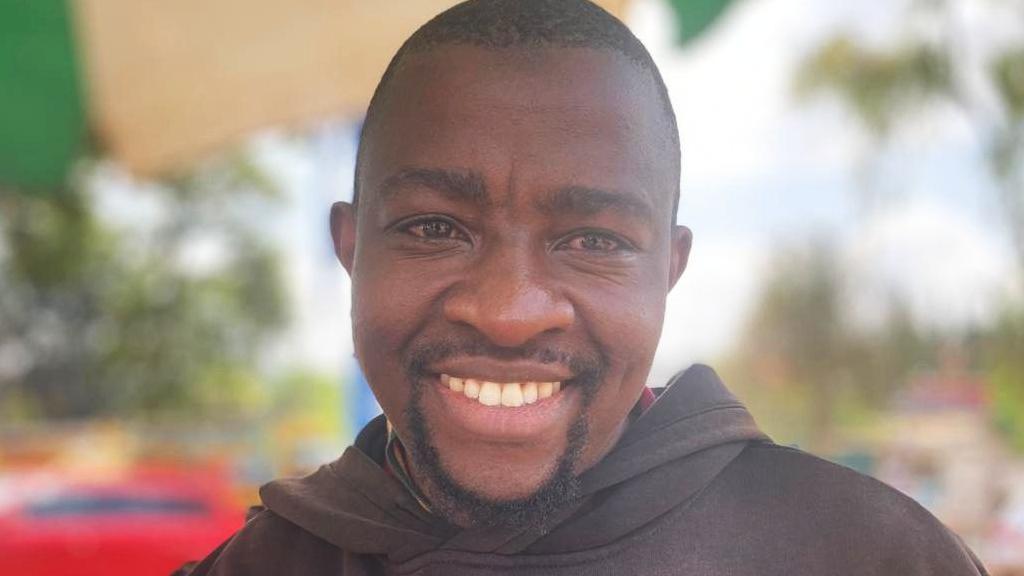
Kenya’s Quiet Rebellion: Men Unpack Masculinity One Matronymic At A Time
POLICY WIRE — Nairobi, Kenya — The names, when you hear them, don’t immediately scream ‘revolution.’ They sound rather… ordinary. Wanjiru, Akinyi, Nekesa—surnames tied to...

POLICY WIRE — Nairobi, Kenya — The names, when you hear them, don’t immediately scream ‘revolution.’ They sound rather… ordinary. Wanjiru, Akinyi, Nekesa—surnames tied to matriarchs, mothers, grandmothers. But in Kenya, a land where patriarchal lineage generally dictates everything from land rights to social standing, these names are becoming a quiet battleground. Not for the women who bear them, of course. For the men.
It’s not just a quirk of nomenclature. It’s an affront, apparently, to centuries of convention. Imagine carrying the name of your grandmother in a society that expects you to wear your father’s name like a badge of honor. Some folks can’t grasp it. It feels alien. And because of this, some Kenyan men find themselves constantly explaining, defending, or just enduring the pointed glances and hushed whispers.
This isn’t merely about personal identity; it’s about the very architecture of masculinity, an unspoken contract of male dominance that permeates institutions, government, and even family structures. What’s going on here is more than just an inconvenient tag on an ID. It’s an accidental, but potent, defiance against established order.
We’re talking about situations where men, for a variety of complex reasons—maybe a powerful grandmother raised them, or their mother’s lineage held property, or perhaps there was simply an administrative quirk decades ago—have officially taken, or were given, their female parent’s or grandparent’s surname. It’s atypical. Very atypical.
“It’s a peculiar twist in our cultural narrative, isn’t it?” pondered Cabinet Secretary for Culture, Sports, and Heritage, Dr. Amina Mohamed, in an exclusive chat with Policy Wire. “Our traditions are rich, but they’re also dynamic. While some might see this as an erosion of patrilineal strength, perhaps it’s merely a natural—albeit unusual—evolution of familial identity. Still, we must consider the potential for social disjunction if traditional norms are discarded too casually.” She’s got a point. People get anxious when old ways fray.
But others aren’t so reticent about change. Nominated Senator Gloria Orwoba sees it differently. “This isn’t just about a name. It’s about challenging those rigid boxes we put men — and women into,” she observed, her tone brisk. “It’s a quiet revolution, isn’t it? These men are, perhaps unwittingly, asking: what truly defines a man? His bloodline alone? Or his character? And that’s a question society badly needs to confront, wouldn’t you agree?”
📄 POLICY WIRE WHITEPAPER PUBLISHED: PAKISTAN'S NATIONAL SECURITY POLICY PRIORITIES
👉 READ BY CLICKING HEREThe societal pressure, let’s be real, can be brutal. These men, bless their hearts, face anything from gentle teasing to outright questions about their ‘manhood.’ Because, for some, a man carrying a woman’s name just doesn’t compute. It shatters their neatly organized world. But because societal norms shift, albeit slowly, some are holding their ground, stubbornly, heroically.
It’s an interesting juxtaposition when you consider naming conventions across other culturally conservative societies. Take Pakistan, for instance. Patronymics are virtually unshakeable there; the father’s name forms the core of a child’s identity, legally and culturally. A son taking his mother’s family name? Unheard of. You’d probably cause a minor social earthquake. In much of the Muslim world, even women often adopt their husband’s or father’s names with little question, cementing a patriarchal continuity that makes Kenya’s burgeoning defiance all the more stark.
And it’s a testament to stubborn individualism, isn’t it? Because despite the chatter, the jokes, they don’t fold. It’s a battle, sometimes a lonely one, against ingrained cultural expectations. A 2023 survey by the East Africa Research Council indicated that nearly 70% of respondents in rural Kenya still believe a man’s lineage is solely determined by his father’s name, irrespective of maternal family influence. That’s a mountain to climb for these name-bearers. But they’re climbing it. Quietly.
What This Means
This isn’t some quaint sociological anecdote; it’s a policy issue brewing under the surface. This defiance of patriarchal naming norms, even if accidental for many, reflects a nascent, if fragmented, renegotiation of gender identity in Kenya’s rapidly urbanizing and globalizing landscape. Economically, strong patrilineal ties often dictate inheritance — and access to resources, especially land. A blurring of these lines—even symbolically through a surname—could eventually force legal frameworks to acknowledge broader interpretations of family and identity, especially concerning property rights. Politically, while seemingly trivial, such shifts chip away at deeply embedded cultural narratives that often bolster conservative governance. This silent struggle might influence everything from marriage laws to public representation, suggesting a slow but persistent push towards a more equitable—or at least more complicated—social order. For a look at how cultural shifts play out on larger stages, you might consider the soft power play of grand global events or how societies respond to chilling undercurrents in community life, illustrating how deeply cultural battles resonate.