


Lord’s ‘Glass Ceiling’: 142 Years Later, Women Finally Storm Cricket’s Sacred Fortress
POLICY WIRE — London, UK — For a place so steeped in tradition it practically bleeds history, Lord’s Cricket Ground sure took its sweet time with some things. One hundred and forty-two years....

POLICY WIRE — London, UK — For a place so steeped in tradition it practically bleeds history, Lord’s Cricket Ground sure took its sweet time with some things. One hundred and forty-two years. Think about that for a second. That’s how long it’s been since this hallowed patch of grass, this ‘Home of Cricket,’ saw its first men’s Test match. And only now, with the world tilting ever so slightly on its axis, does it finally decide to roll out the red carpet—or, more accurately, the perfectly manicured green — for women’s Test cricket. Yeah, that’s right. This Friday, England locks horns with India in a four-day battle, marking a moment some are calling historic. Others? Well, they’re just wondering what took so long.
It’s an arrival less like a grand procession and more like a delayed train finally chugging into the station, decades past its scheduled stop. For perspective, the first women’s international was staged here way back in 1976 — an ODI, mind you, where England clobbered Australia. So it’s not like the place hadn’t seen women on the pitch. But Test cricket, that five-day (or in this case, four-day) endurance grind, always seemed reserved for the blokes.
But times, they’re changing. Or at least, they’re being dragged, kicking — and screaming, into a new century. More than 30,000 tickets have already been snapped up across the match’s four days, according to a media release from Lord’s itself. That figure makes it one of the most heavily attended women’s Test matches ever staged, anywhere. A statement, certainly, about fan appetite.
“It’s truly mind-boggling,” India coach Amol Muzumdar reportedly told journalists earlier this week, his voice likely tinged with a mix of awe and perhaps a touch of exasperation. “This is the first women’s Test ever hosted here at Lord’s.” But even with that undertone of ‘better late than never,’ the prevailing mood among the players seems to be one of sheer, unadulterated excitement.
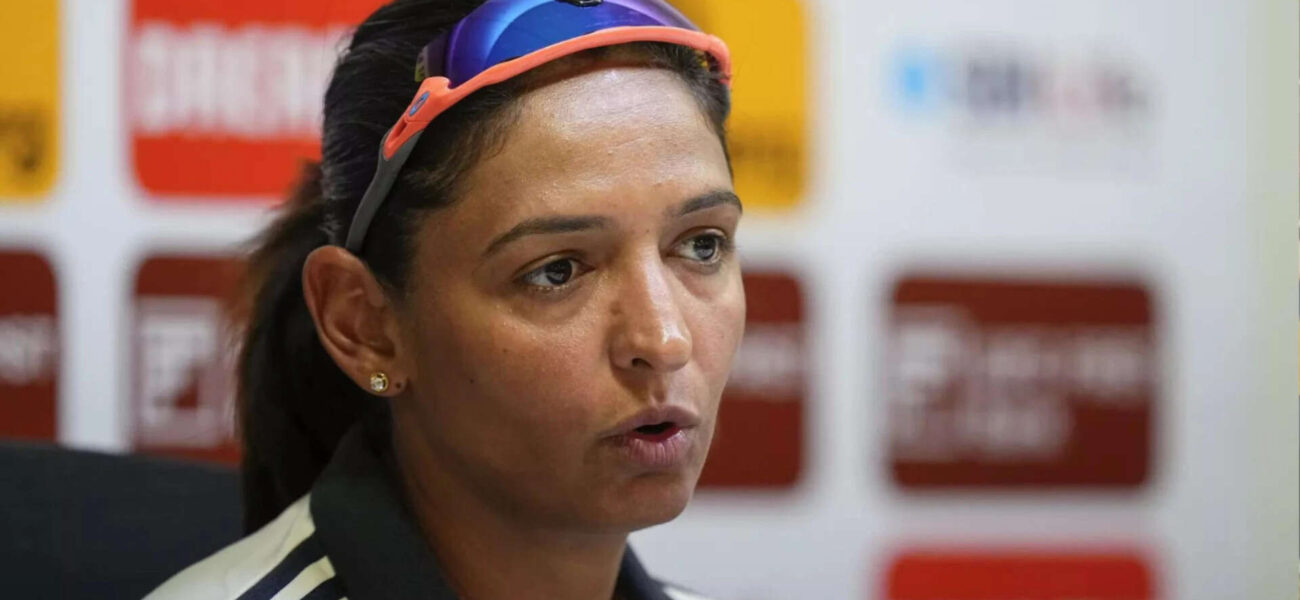
Because, for them, it’s a dream. Captain Harmanpreet Kaur, the stoic leader of the Indian side, echoed those sentiments. “It’s a very big moment for all of us, honestly,” she said. “As a captain — and as a player, I’m just totally looking forward to this chance. As kids, we always dreamed about Test cricket, — and playing at Lord’s is, like, the biggest of those dreams. All the girls are super excited.” You can tell it’s not just PR speak; there’s a real weight to these words. This isn’t just a match; it’s a milestone. And they’re here to smash it.
The journey to this supposedly ‘historic’ clash hasn’t been entirely smooth, mind you. India’s opener, Pratika Rawal, got sidelined by a knee injury right on the eve of the match. Priya Punia stepped in, a familiar name but an eleventh-hour swap no team ever wants. Still, it’s a minor ripple in a wave of anticipation. Cricket, after all, thrives on drama.
And while England — and India square off, it’s a moment that resonates far beyond London. In a region like South Asia, where cricket is less a sport and more a religion — and let’s be honest, often a political tool, see Digital Phantom: Fake Video Incites Jitters in India-Pakistan Standoff — the progress of women’s cricket is always under the microscope. India’s ascendancy here isn’t just about bat and ball; it’s about a cultural shift that impacts neighboring nations like Pakistan, where women’s sports development often faces its own unique challenges.
📄 POLICY WIRE WHITEPAPER PUBLISHED: PAKISTAN'S NATIONAL SECURITY POLICY PRIORITIES
👉 READ BY CLICKING HEREWhat the women do on that field this weekend? It’ll be watched, scrutinized, and cheered by millions across the subcontinent, not just in Delhi and Mumbai, but potentially in Lahore and Karachi too. It’s a statement about aspiration and possibility, playing out on a pitch that once seemed impermeable to such ‘new’ ideas.
What This Means
This match isn’t just a win for gender equality in sports; it’s a calculated, if overdue, move by cricket’s commercial apparatus. You’ve got to consider the raw numbers. With 30,000 tickets sold, there’s an undeniable, palpable demand for women’s Test cricket. That’s an economic indicator screaming for more investment. What’s been seen as a niche market is rapidly proving its mainstream viability. The English Cricket Board (ECB) and the BCCI (Board of Control for Cricket in India), arguably the wealthiest boards in the world, stand to gain significant revenue from embracing women’s cricket more fully, extending broadcast deals, sponsorships, and merchandise sales. It’s not solely about virtue; it’s about good business, finally acknowledged.
Politically, the imagery of Indian — and English women competing on Lord’s hallowed ground also holds symbolic weight. It quietly undermines outdated gender norms and cultural expectations, particularly in more conservative pockets of cricketing nations. India, as a rapidly emerging global power, sends a message of progress and empowerment when its women athletes achieve such visibility. This isn’t just a game; it’s soft power, asserting a vision of modernity through the very traditional lens of sport. It can inspire — or frankly, put pressure on — other South Asian cricketing federations, particularly in countries like Pakistan, to elevate their own women’s programs. This event signals a turning point: ignoring women’s sports isn’t just socially backward; it’s leaving money on the table, and that’s a language even the most hardened administrators understand.