

Another Price Hike for the People’s Post: A Slippery Slope or Sheer Necessity?
POLICY WIRE — Washington, D.C. — Another Sunday, another price bump. That’s the unspoken mantra now for the U.S. Postal Service, a venerable institution whose operational model feels increasingly...

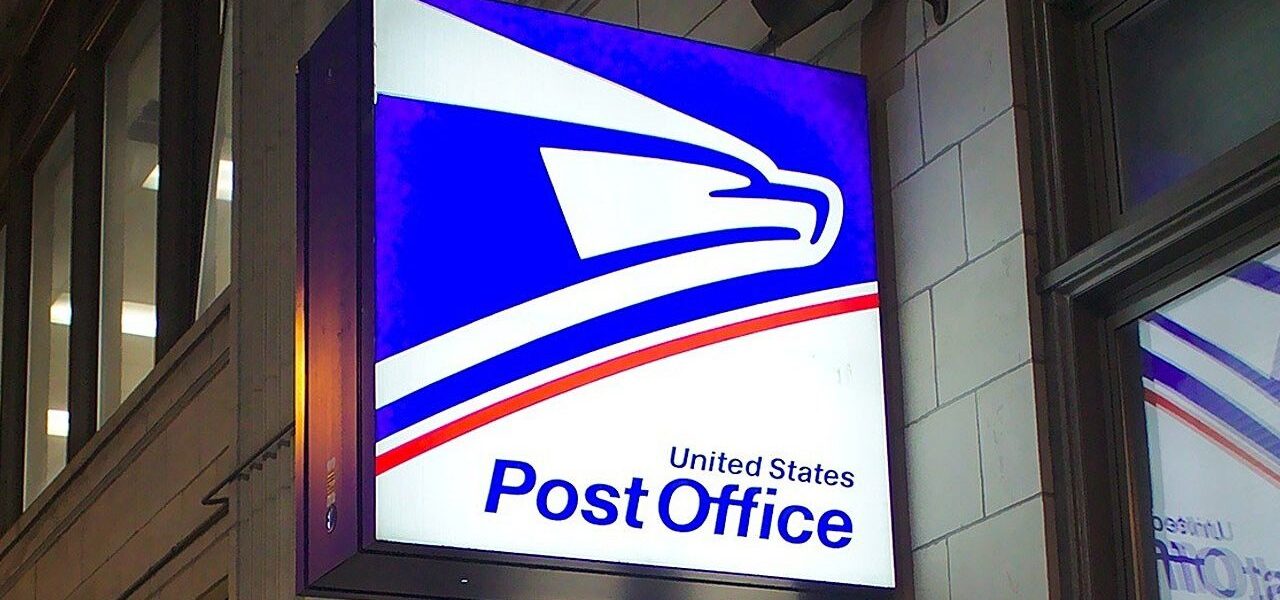
POLICY WIRE — Washington, D.C. — Another Sunday, another price bump. That’s the unspoken mantra now for the U.S. Postal Service, a venerable institution whose operational model feels increasingly like a relic in an email-driven age. While most Americans are busy refreshing their inboxes, or maybe just doomscrolling, the humble First-Class Mail Forever stamp — a forgotten friend for many, a monthly nemesis for others — is set to climb another four cents this weekend. Effective July 12th, it’ll run you 82 cents. Just like that. A seemingly minor adjustment, maybe even a shrug for folks who haven’t mailed anything in years. But dig a little, — and it’s a policy decision that scrapes a little deeper than you’d think.
It’s a bizarre dance, isn’t it? The digital world spins faster, physical mail volumes dip — steadily, persistently, like a leaky faucet — yet the cost of sending that lone, paper missive keeps inching north. This isn’t exactly new; we’ve watched these hikes happen, often multiple times a year. Metered letters? Up four cents to 78 cents. Domestic postcards? A little jump from 61 cents to 65 cents. And for anyone still dispatching letters to distant shores — whether it’s a holiday greeting or a critical document — international rates nudge up a nickel to $1.75. Small increases, perhaps, but they compound. Because this isn’t the first, — and it surely won’t be the last. And, let’s be honest, who even tracks these micro-adjustments outside of mail-heavy businesses and exasperated grandmas?
The Postal Service, bless its antiquated heart, insists it’s just trying to keep the lights on. They filed their notice with the Postal Regulatory Commission, explaining these ‘adjustments’ are meant to bring mailing services prices up about 4.8%. It’s a necessary evil, they argue, citing ongoing operational costs — and a severe financial crisis. Postmaster General Louis DeJoy, often painted as the architect of postal austerity, minced no words in a recent statement to congressional appropriators (a quote, one suspects, penned for the record as much as for reassurance): “Look, we’re not asking for handouts here. We’re asking for the means to deliver a service mandated by Congress, rain or shine, flat earth or round. This isn’t just about stamps; it’s about staying solvent so Grandma gets her prescription and businesses can actually operate.” It’s hard to argue with the sentiment of universal service, isn’t it?
But the numbers tell a story, too. Since 2021, a mere three years, the price of a First-Class stamp has jumped by 19 cents, an increase of over 30%. That’s hardly pocket change for the non-profits or small enterprises still relying on snail mail for billing or marketing. It really starts to sting. A typical U.S. household receives around 2.4 pieces of mail per day, down sharply from previous decades, according to Pitney Bowes data. Most of that’s junk mail or bills, which ironically, these hikes affect too.
Then there’s the wider world. The seemingly modest bump in international mail prices might feel negligible to someone sending a postcard from Cancun. But for diaspora communities, for instance, in the U.S. still regularly sending documents or small packages back to, say, Pakistan or other parts of South Asia, these regular hikes aren’t trivial. The economic links are delicate. Every dollar — or penny — counts when you’re looking at remittance flows and connecting families across continents. It adds friction to an already complex global tapestry of family ties — and small commerce.
📄 POLICY WIRE WHITEPAPER PUBLISHED: PAKISTAN'S NATIONAL SECURITY POLICY PRIORITIES
👉 READ BY CLICKING HERECritics, of course, have plenty to say. They’ll point fingers at operational inefficiencies, at DeJoy’s contentious ten-year plan, or simply the structural challenges of a quasi-governmental entity trying to operate like a for-profit business while still bound by a public service mandate. Representative Jamaal Bowman (D-NY), a vocal proponent for robust public services, recently stated, “These price hikes—they just punish ordinary Americans and small enterprises already squeezed dry. We’ve got to explore legislative solutions that protect postal workers and guarantee affordable service, not nickel-and-dime the populace into oblivion.” He’s got a point. You can’t just keep squeezing the orange when it’s already mostly pulp.
What This Means
This latest increase, while small in isolation, underscores a deeper, more systemic policy quandary: how do you fund a universally mandated service that operates independently of tax dollars while its primary revenue stream dwindles? For American households, it’s a minor nuisance today, another chipped away cent from the budget tomorrow. For small businesses, especially those in niche markets or older industries that rely heavily on physical mail, it’s a creeping cost that reduces already tight margins. Think about the local small-town print shop or the community organization sending out flyers. They feel every one of these micro-surges.
Economically, it’s a further push towards digital—which, for many, is fine. But not everyone has reliable internet access, or the digital literacy. It entrenches a digital divide, subtle as it may seem. And internationally, it’s just one more layer of friction for global exchange, impacting everything from small business exports to family support. When the Postal Service cries ‘fiscal crisis,’ it’s less a threat to shut down, and more a quiet plea for acknowledgment of an outdated business model colliding with 21st-century realities. They’re trying to patch a boat with a thumb, even if that boat is delivering your neighbor’s Netflix DVD. Or maybe, delivering news of another kind.