


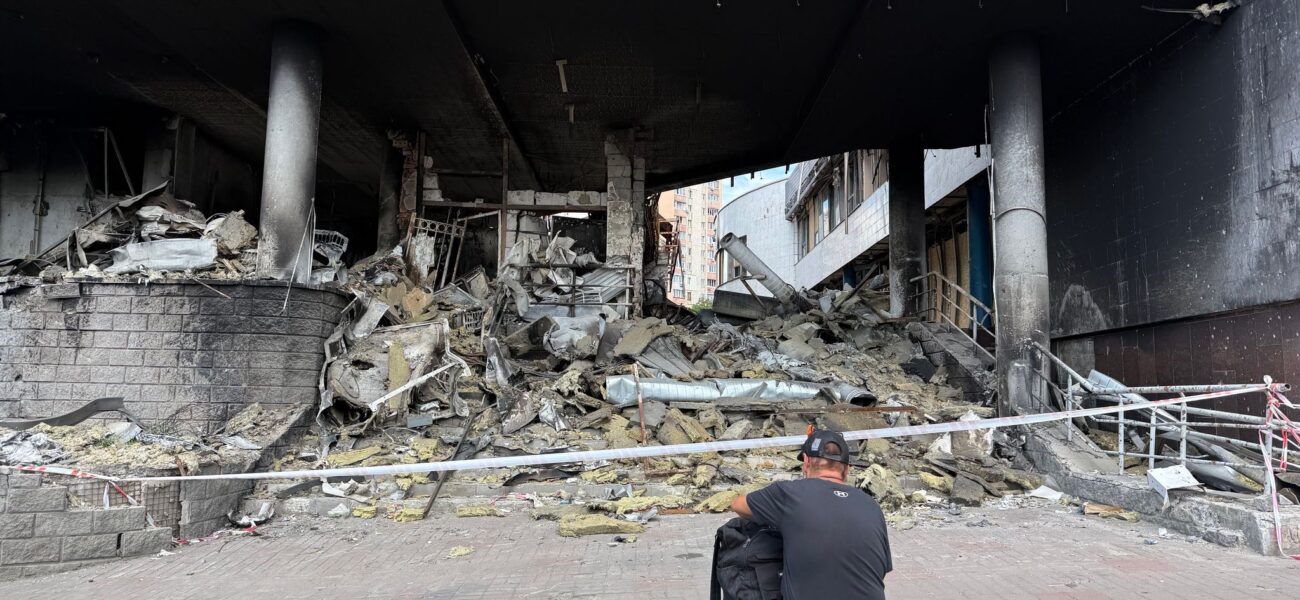
Kyiv’s Recurring Nightmare: Ballistic Strikes Puncture Illusion of Calm, Global Stakes Intensify
POLICY WIRE — Kyiv, Ukraine — The early morning siren isn’t a scream here anymore. It’s become more like a weary sigh, a familiar soundtrack to an existence that refuses to crumble, yet...

POLICY WIRE — Kyiv, Ukraine — The early morning siren isn’t a scream here anymore. It’s become more like a weary sigh, a familiar soundtrack to an existence that refuses to crumble, yet can never quite settle. For the residents of Ukraine’s capital, another dawn broke not with sunbeams, but with the chilling thump of incoming ballistic missiles—a jarring reminder that peace remains a phantom limb.
It happened again, just before first light. Explosions ripped through residential areas, not distinguishing between sleep or wakefulness, between defiance or despair. Authorities reported at least three people injured, fragments of shattered normalcy scarring both bodies — and buildings. Rescuers were on scene quickly, sifting through the rubble, assessing the cost. It’s a macabre routine that’s etched itself into the city’s character. And we see it play out endlessly on repeat, the world tuning in — and out as it pleases.
This isn’t just about three injuries; it’s about the relentless psychological toll on a population. It’s about the constant strain on air defense systems, operating at a tempo few other nations could comprehend, let alone sustain. Kyiv’s Mayor Vitali Klitschko was quick to confirm the strikes, offering what’s become a grim, practiced calm in the face of continued aggression. He always does. Because what else can he say?
Dmytro Kuleba, Ukraine’s Foreign Minister, didn’t mince words, his public statement resonating with both exhaustion and resolve. “Each explosion isn’t just a blast; it’s a stark reminder that peace is a fragile construct, earned only through relentless resistance and global resolve,” he asserted. “The world watches, but we live it, everyday, minute by harrowing minute. Don’t forget that.”
From the Western camp, the condemnation was immediate, predictable. A senior NATO official, speaking on condition of anonymity due to the sensitivity of ongoing intelligence assessments, echoed a familiar sentiment. However, a representative for the alliance, mirroring public statements from Jens Stoltenberg, offered a more direct reassurance: “These cynical acts of aggression won’t break Ukraine’s spirit, nor will they weaken the Alliance’s commitment. We stand firm against terror, delivering what’s needed for defense, today and tomorrow.” Words, of course, are only as good as the weapons they promise.
The international community scrambles for words, for aid, for a resolution that seems to recede further with each incoming volley. But beyond the immediate casualties and the diplomatic outrage, this continued aggression throws long shadows across global stability. It’s a game of chicken played with real lives — and real futures.
📄 POLICY WIRE WHITEPAPER PUBLISHED: PAKISTAN'S NATIONAL SECURITY POLICY PRIORITIES
👉 READ BY CLICKING HEREThink about the wider world: Countries like Pakistan, far from the firing lines, feel the ripple effects keenly. They’re struggling with soaring energy prices, inflamed by disruptions in global markets exacerbated by this conflict. You’ve got to wonder how many more will be swept up into this, eventually. Inflation bites hard, food security remains a knife-edge concern, and international aid—which might normally flow to alleviate poverty or disaster—is now stretched thin, often redirected toward Kyiv’s battle for survival. We’re all connected, even if the map shows thousands of miles. The war’s prolonged impact is particularly acute in developing nations already walking an economic tightrope; according to the UN Development Programme, a staggering 71 million people in developing countries were pushed into poverty in just three months following the invasion, largely due to food and energy price shocks.
For more insights into global capital mobility and its impact on emerging economies, see our recent analysis on Diamonds, Draft Picks, and Geopolitical Stakes. But this ongoing war, with its grim, rhythmic destruction, tests not just resolve, but the world’s collective attention span. Will the barrage on Kyiv’s Grim Dawn simply become background noise?
What This Means
These recurring missile strikes aren’t just isolated acts of terror; they’re Moscow’s crude, costly attempts to break Ukraine’s will and, by extension, wear down Western support. The Kremlin wants to signal that no corner of Ukraine, not even its well-defended capital, is truly safe. Psychologically, this tactic is designed to foment internal dissent and accelerate civilian exodus, hoping to burden Ukraine’s strained resources and ultimately fragment its resistance. Economically, these strikes, especially if they target critical infrastructure, inflict massive costs, delaying reconstruction and discouraging foreign investment long after the fighting ostensibly stops.
Politically, they force Ukraine’s allies to continually justify aid packages and push for stronger defensive capabilities, even as donor fatigue potentially sets in. This incessant warfare forces governments worldwide, from Brussels to Islamabad, into difficult geopolitical calculations. Nations in the Global South often find themselves navigating complex allegiances, balancing economic partnerships with Russia against calls for moral condemnation. But it’s not just a moral dilemma; it’s a stark geopolitical gamble, with real, tangible impacts on global food chains and energy markets that ultimately trickle down to every household, everywhere. The continued volatility in Ukraine translates directly into uncertainty across world capitals, making long-term strategic planning for everyone a murky affair. It also challenges the post-Cold War international order—the very idea of national sovereignty is under fire, missile by ballistic missile. The ripple effect of shattered peace, it turns out, knows no borders.