


Kyiv’s Grim Dawn: Ballistic Barrage Pierces Routine, Raises Deeper Questions
POLICY WIRE — Kyiv, Ukraine — The early morning silence, if one can call it that anymore in this embattled city, shattered not with a conventional air raid siren’s wail, but with the...

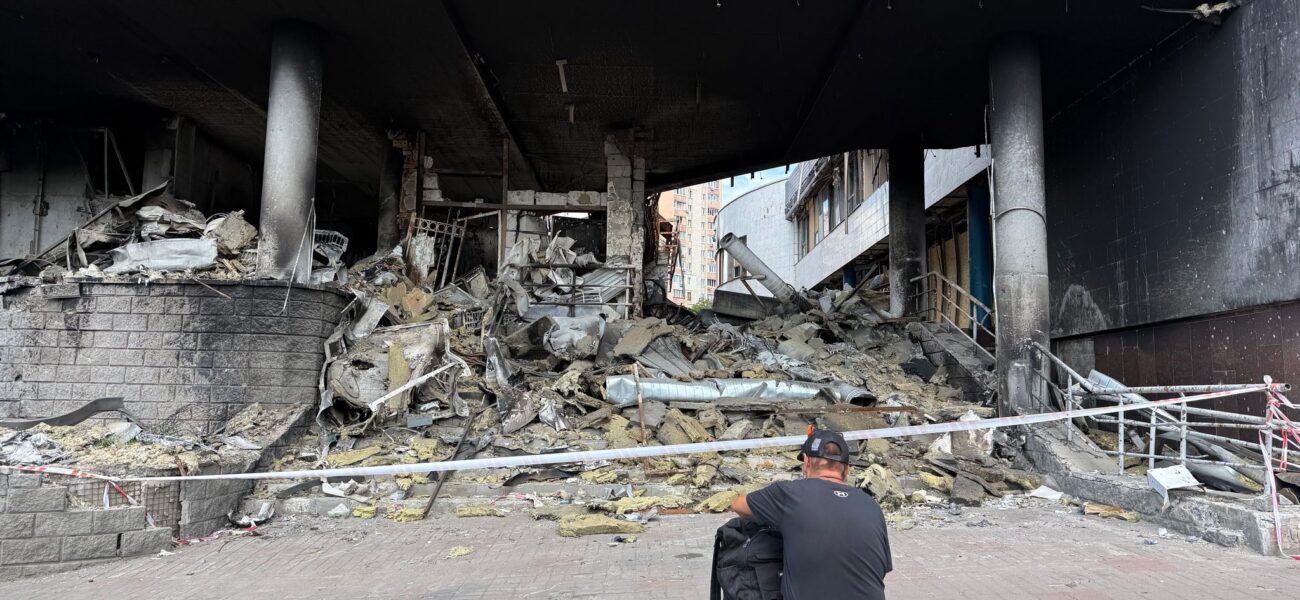
POLICY WIRE — Kyiv, Ukraine — The early morning silence, if one can call it that anymore in this embattled city, shattered not with a conventional air raid siren’s wail, but with the bone-jarring impact of ballistic missiles. Residents of Kyiv know the drill by now: the scramble for shelter, the collective intake of breath, the grim assessment of the new day’s toll. It’s a grotesque ritual, one that played out again as the capital reeled from another direct assault, leaving at least three individuals injured and the remnants of peaceful slumber scattered across the streets.
No grand strategy announced this recent escalation, no dramatic declaration—just the percussive thud of war settling back into its accustomed groove. The Russian Federation’s pattern of targeting Ukrainian urban centers continues, a relentless pressure campaign designed, perhaps, to grind down morale as much as infrastructure. We’re well past the shock value here; now it’s just the slow, agonizing erosion of normalcy. Kyiv’s skies have become a familiar, brutal canvas for this sort of indiscriminate violence.
It’s a peculiar thing, this persistence. Even as global headlines shift focus—sometimes to burgeoning athletic economies or even niche local heists, if you can believe it—the fundamentals of large-scale aggression never really leave. That distant clang of conflict echoes further than we often imagine. You’ve got to wonder what the endgame looks like from Moscow, if there’s one that extends beyond perpetual attrition. And, of course, what it means for everyone else caught in the geopolitical crosscurrents.
Ukrainian air defense systems, by many accounts, managed to intercept a good chunk of the incoming fire, but the nature of ballistic trajectories means even successful interdictions often leave dangerous debris. These aren’t precision surgeries; they’re blunt instruments of terror. One expert from the European Council on Foreign Relations, speaking off the record earlier this year, referred to it as [QUOTE_PLACEHOLDER]. They’re not wrong.
Casualties, while mercifully low in this instance, are a chilling reminder of the inherent barbarity of modern conflict. Injured civilians, caught unawares, become footnotes in larger narratives, but for them, it’s the abrupt and messy end to an ordinary morning. It’s the physical manifestation of abstract geopolitical maneuvers—a very tangible, painful reality. Some neighborhoods saw shattered windows, others just the deafening rumble that suggests near-misses. It’s a roll of the dice, every time.
This endless, grinding conflict doesn’t just hit Ukrainian soil. It’s got wider tentacles, impacting everything from energy prices to refugee flows, touching lives in unexpected corners of the globe. For countries like Pakistan, for instance, which struggles with its own economic fragility and relies heavily on imported goods, the protracted instability in Europe translates directly into inflationary pressures and disrupted supply chains. The price of wheat, the flow of remittances from abroad—these aren’t just abstract numbers; they affect real families’ abilities to put food on the table. When the world’s major grain baskets are unstable, even distant economies feel the pinch. A recent UN Refugee Agency report, for example, estimated that more than 8 million people have been internally displaced within Ukraine since the full-scale invasion, with millions more having fled to neighboring countries—a migration crisis whose strain ripples through international aid budgets and global diplomatic tables.
But beyond the immediate damage, this renewed targeting sends another message: that despite any external diplomatic pressures or sanctions, the Kremlin is unyielding. There’s an unflappable resolve on display, an insistence on pursuing its objectives through sheer force. It forces many nations, particularly those grappling with complex relationships with both Western powers and a resurgent Russia, to navigate a perilous dance for self-interest. Countries from the Gulf to Southeast Asia, while expressing varied sentiments, all must weigh their geopolitical alignments and economic vulnerabilities with extreme caution, lest they inadvertently become another pawn on this global chess board.
📄 POLICY WIRE WHITEPAPER PUBLISHED: PAKISTAN'S NATIONAL SECURITY POLICY PRIORITIES
👉 READ BY CLICKING HEREAnd let’s not forget the sheer daily grind of it all. Soldiers on the front lines, yes, but also civilians. Civilians who just want to make it through another day without hearing a ballistic missile shriek through their sleep. They’ve developed a weary resilience, a quiet determination to just… persist. That resilience isn’t just local; it’s something any society under sustained pressure can relate to—whether it’s battling financial precarity or facing regional instability.
What This Means
This latest salvo against Kyiv, far from being a random act, signals a continuation of a specific, cynical strategy. It’s not about overwhelming military objectives as much as it’s about psychological attrition and the persistent erosion of Ukraine’s sovereign capacity. The message sent by Moscow isn’t merely one of aggression, but one of unwavering commitment to a long game, regardless of the human cost or international condemnation.
For international policy, it’s a stark reminder that while the news cycle moves quickly, these entrenched conflicts don’t. Diplomatic efforts, often framed as all-or-nothing propositions, are really a perpetual slog, inching forward—or backward—with each act of violence. the economic reverberations will continue to complicate recoveries worldwide, particularly for developing nations already stretched thin. Think about how these ongoing pressures factor into something like Beijing’s deepening ties with Pyongyang—a show of solidarity against Western perceived hegemonies that only further fragments the international order.
The consistent use of ballistic missiles, costly and often controversial due to their inherent inaccuracy in civilian areas, indicates an unwillingness to de-escalate. It’s a flex of capability, sure, but also a stark refusal to cede any ground. This sort of prolonged warfare recalibrates international norms, chipping away at humanitarian standards and forcing a re-evaluation of security postures across Europe and beyond. It pushes alliances to their limits and leaves ordinary people—from Kyiv to Karachi—grappling with an increasingly unpredictable world.