

Germany’s Green Ambition Stalls: Economic Reality Demands Climate Truce
POLICY WIRE — Berlin, Germany — European green ambition, a construct so carefully sculpted over decades, just bumped into a decidedly old-world problem: cold, hard economics. Not with a whimper, mind...

POLICY WIRE — Berlin, Germany — European green ambition, a construct so carefully sculpted over decades, just bumped into a decidedly old-world problem: cold, hard economics. Not with a whimper, mind you, but with a firm, distinctly German, pushback. The nation, long lauded as an ecological pioneer, is now confronting an uncomfortable truth—that grand climate targets sometimes buckle under the sheer weight of industrial practicality and geopolitical jitters.
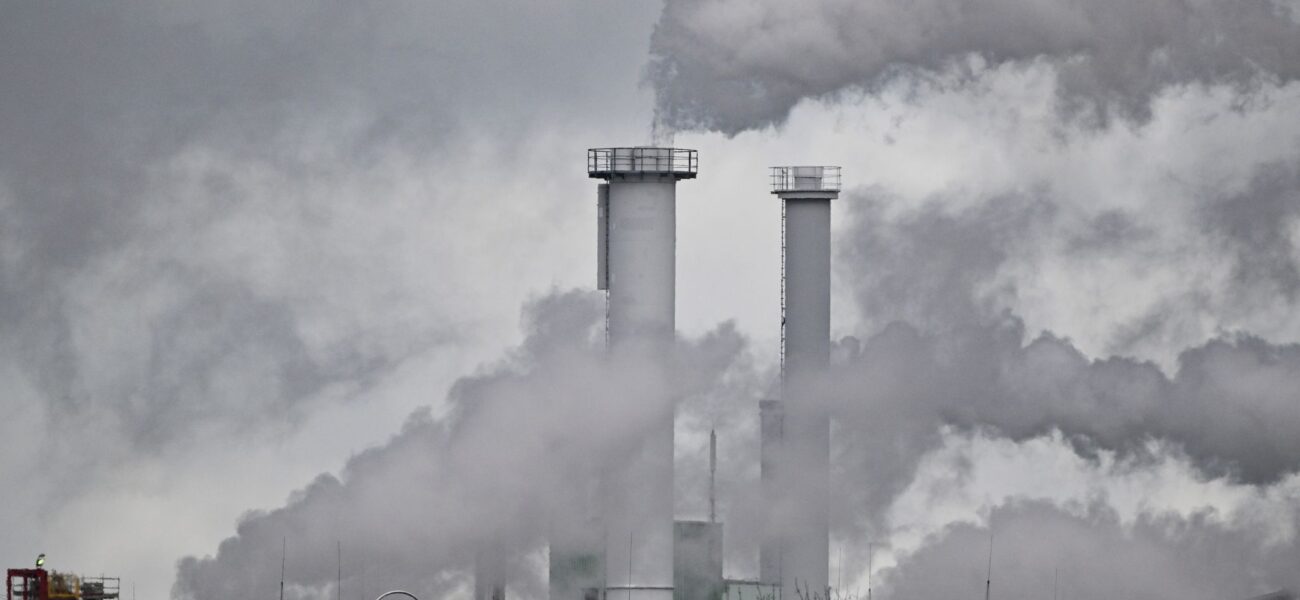
It’s no quiet hum in the background; it’s a full-throated cry for reprieve. Powerful industry groups, the very engines of Germany’s famed economic prowess, are leading a charge for a significant slowdown. They want a five-year breathing space, a moment to re-calibrate, to deal with energy prices that still smart and supply chains that feel perpetually precarious. You don’t have to look hard to see why. Factory floors, for all their shiny automation, still need consistent, affordable juice.
Werner Schmidt, the notoriously plain-spoken CEO of Industriefokus Deutschland—a consortium representing heavy manufacturers—didn’t mince words in a recent Berlin briefing. “We’re all for a green future, absolutely. But Rome wasn’t built in a day, and you can’t electrify a smelter on ideology alone,” Schmidt reportedly quipped, a wry smile playing on his lips. “Our competitors in, say, Arkansas or China aren’t shackled by these timetables. We need to be able to compete, or we won’t have an industry left to make green.” It’s a compelling, if self-serving, argument for those holding down manufacturing jobs. But he’s not wrong on the underlying cost pressure.
And it’s not just the captains of industry. Certain corners of the political spectrum, increasingly uneasy with the financial burden of aggressive decarbonization, have found their voice. Because when energy bills skyrocket, folks tend to care less about their carbon footprint and more about keeping the lights on. They’re telling the coalition government—the Greens, Social Democrats, and Free Democrats—that their collective pace is, frankly, unsustainable right now.
But the government, a delicate political organism at the best of times, is caught between a rock and a decidedly green place. Environmental ministers are loath to surrender the narrative of climate leadership. And, frankly, how does one backtrack on something so core to their party platform without alienating their base?
Greta Bauer, spokesperson for the German Federal Ministry for Economic Affairs and Climate Action, trod a careful line when asked about the proposed delay. “Our commitment to climate neutrality by 2045 is unwavering,” Bauer insisted, her voice firm. “But we recognize the genuine challenges our businesses face. We’re in constant dialogue to find solutions that protect both our planet — and our competitiveness. It’s a balance; it has to be.”
📄 POLICY WIRE WHITEPAPER PUBLISHED: PAKISTAN'S NATIONAL SECURITY POLICY PRIORITIES
👉 READ BY CLICKING HEREA fine tightrope walk, to be sure. But delaying these targets? It essentially signals a pragmatic surrender to the realities of a fragmented global energy market and a sputtering economic recovery. This isn’t just an internal squabble over energy policy; it’s a tremor in the very foundation of Europe’s self-perception as the vanguard of climate action. According to Eurostat data from last year, Germany’s industrial output contracted by over 3% in key energy-intensive sectors, suggesting the pain isn’t theoretical.
What Germany decides, — and what it achieves, echoes far beyond its borders. The Global South, especially nations like Pakistan—which currently battles the increasingly brutal, unpredictable realities of climate change, from monsoons to heatwaves—looks to industrialized nations to shoulder the brunt of climate financing and technological transfer. A hesitation here provides fodder for developing economies arguing they shouldn’t have to cripple their own growth to meet ambitious targets set by richer nations who are now getting cold feet.
What This Means
The push for a five-year delay in Germany’s climate targets isn’t just bureaucratic inertia; it’s a stark admission that economic viability often trumps ecological idealism, at least in the short term. Politically, it complicates the German coalition’s delicate dynamic. The Greens will face immense pressure from their base to resist, while the FDP—the pro-business Free Democrats—will find it difficult to ignore the pleas of industry. This friction threatens to deepen policy paralysis at a time when Europe desperately needs cohesion. Economically, a delay offers temporary relief to energy-intensive sectors, potentially preserving jobs and maintaining global competitiveness. But it could also deter investment in green technologies, prolong dependence on fossil fuels, and ultimately make the transition more costly in the long run. And for the EU as a whole, it creates a problematic precedent, potentially emboldening other member states to seek similar concessions. But the optics? Not good. Not for European credibility, — and certainly not for inspiring developing nations to hold their own emissions in check.
So, the question now isn’t if Germany wants to be green. It’s about how much pain it, — and its powerful industries, are willing to endure on the path to that greener tomorrow. And, let’s be honest, they’re feeling quite a bit of pain right now.
📖 GET YOUR FREE COPY NOW OF POLICY WIRE DIGITAL MAGAZINE JULY 2026 EDITION
👉 READ & DOWNLOAD FREE MAGAZINE