


Shrimp Heist Exposes Cracks and Cements Bonds in Albuquerque’s Underground Economy of Trust
POLICY WIRE — Albuquerque, N.M. — It wasn’t the shattered window, nor the pilfered cash and booze, that really chafed Leo Hernandez. No, the real sting, he’ll tell you, was the sheer...

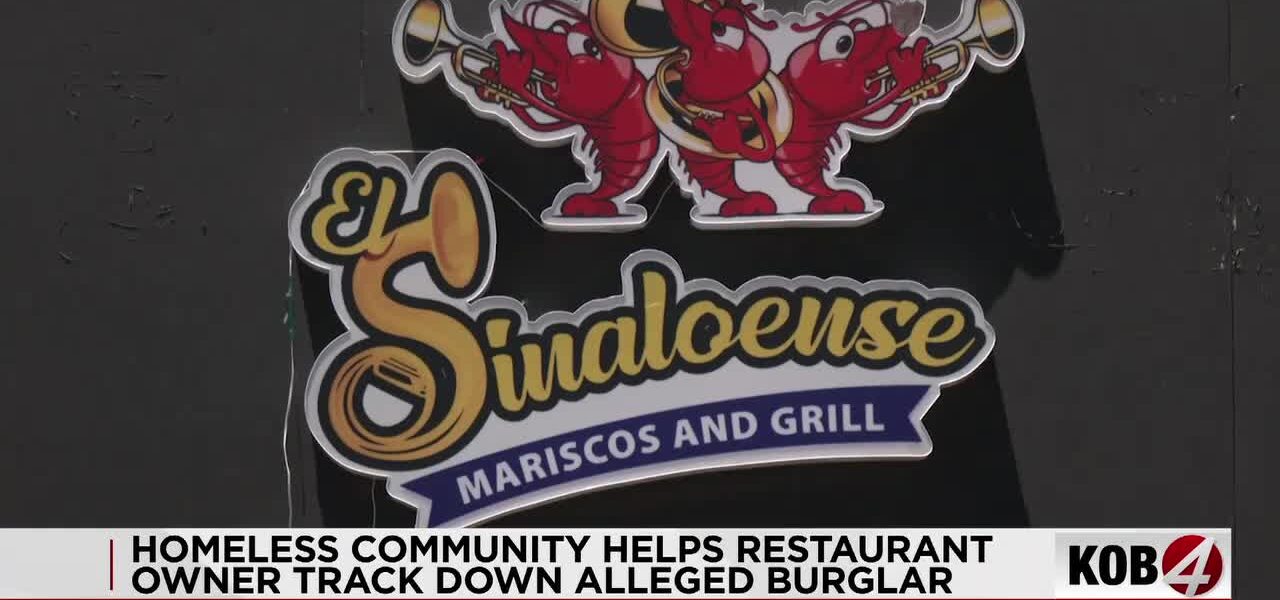
POLICY WIRE — Albuquerque, N.M. — It wasn’t the shattered window, nor the pilfered cash and booze, that really chafed Leo Hernandez. No, the real sting, he’ll tell you, was the sheer audacity—the violation of an unspoken social compact—when a perp made off with a cool grand’s worth of frozen shrimp from his local eatery, El Sinaloense. But then again, maybe that audacity was exactly what forced a unique kind of justice, street-level and unwritten, into motion.
It’s easy to dismiss a break-in as just another casualty of urban drift. Things get stolen. People get angry. Police file reports. Sometimes arrests happen, sometimes they don’t. But here, the narrative swerved, showcasing a system of communal accountability that often runs parallel to, and occasionally outpaces, the formal mechanisms of law enforcement. This wasn’t some grand international intrigue; it was a humble corner shop, a lifeline for its owner, robbed blind by someone seemingly known.
The call came June 17, informing Hernandez his back door was wide open, courtesy of an uninvited guest. “Some guy came in. He broke in. Stole a bunch of stuff. Just left the back door wide. open,” Hernandez recounted, a hint of weariness in his voice that belied a deeper determination. Cameras caught the perpetrator, methodically seeking a rock—a common, primal tool—to smash his way through a window. It wasn’t exactly high-tech villainy, was it?
And then came the twist. Instead of waiting on the usual wheels of justice to grind slowly, Hernandez, a man who built his six-year enterprise on good will and burritos, took the surveillance stills to his neighbors. To the shopkeepers, the regulars, the faces he knew from serving countless meals — and quiet favors. Because in neighborhoods like this, especially where formal infrastructure feels a bit thin, local economies often operate on handshakes and knowing nods. People talk. They observe. They connect the dots that digital algorithms might miss.
“We have deep roots here. Like, real ties to the community around this place,” Hernandez explained, his words carrying the weight of years. “I got a photo of him from the video, just walking around inside, — and we started looking at past mugshots. But the real break? That was just asking around. Everyone knew him.” Fabian Soto, 44, identified. Just like that. The community didn’t just spot him; they called his name. A surprising show of efficacy, wouldn’t you say?
This episode, stark in its simplicity, casts light on the nuanced relationship between a neighborhood’s social fabric and its sense of security. It makes you wonder how many communities around the globe, from the crowded bazaars of Karachi to the vibrant streets of Mexico City—or even here in Albuquerque—still rely on these informal covenants. It’s a pragmatic approach, less about the grand dictates of policy and more about the gritty, lived reality of who owes whom, and who’s got their back.
📄 POLICY WIRE WHITEPAPER PUBLISHED: PAKISTAN'S NATIONAL SECURITY POLICY PRIORITIES
👉 READ BY CLICKING HERECity Councilor Marisol Peña, representing the district, chimed in. “What Mr. Hernandez achieved speaks volumes. It’s a sad reality that sometimes our formal systems—constrained by resources or procedure—can’t respond with the immediacy a community might demand. But this incident reminds us: local vigilance, the sheer strength of neighborly bonds, that’s irreplaceable.” Peña hinted at broader policy discussions around community engagement, acknowledging these aren’t isolated events. State Police Captain Bilal Khan offered a more measured perspective. “While we always urge citizens to report crimes to the appropriate authorities, the reality is, citizen cooperation is fundamental. When community members share information, it significantly improves our clearance rates for property crimes. But it’s a partnership; it shouldn’t solely rest on their shoulders.” It sounds good, doesn’t it? A partnership.
For Hernandez, the betrayal hit harder because his philosophy has always been one of help, not judgment. “We help everyone we can around here. So it was kinda weird, you know, someone doing this to us after all that. It’s hard.” But this hasn’t soured him. He’ll still give a hungry soul a burrito or a soda. Because, as he says, “That’s how people found out who did it. Helping people? It came back around.” About 36% of small businesses in the U.S. experience property crime annually, according to recent industry reports. For many of these entrepreneurs, like Hernandez, informal intelligence networks can prove just as potent as, if not more swift than, formal investigations.
What This Means
The Albuquerque shrimp saga isn’t just a quirky local news blip; it’s a stark commentary on resource allocation and societal reliance. In an era where police departments nationwide often wrestle with understaffing and evolving priorities, the burden of maintaining local order can subtly — and sometimes explicitly — shift to residents and small business owners. This reliance on community intelligence for solving crimes like break-ins implies a political decision, or perhaps an economic inevitability, about where policing resources are most effectively deployed. It suggests that while grand political gestures might target systemic issues, the day-to-day enforcement often falls to the quiet strength of localized human connections, reminiscent of how societies function in many parts of the global South, where informal systems frequently bridge gaps left by formal ones. This ‘underground’ economy of trust, as some analysts term it, might mask deeper currents regarding the fragility of modern urban governance and the surprising resilience of human networks, but it also prompts questions: is this a viable, long-term model, or merely a stop-gap in increasingly complex social landscapes? And what does it mean for the rule of law when justice is sourced, literally, on the street?