


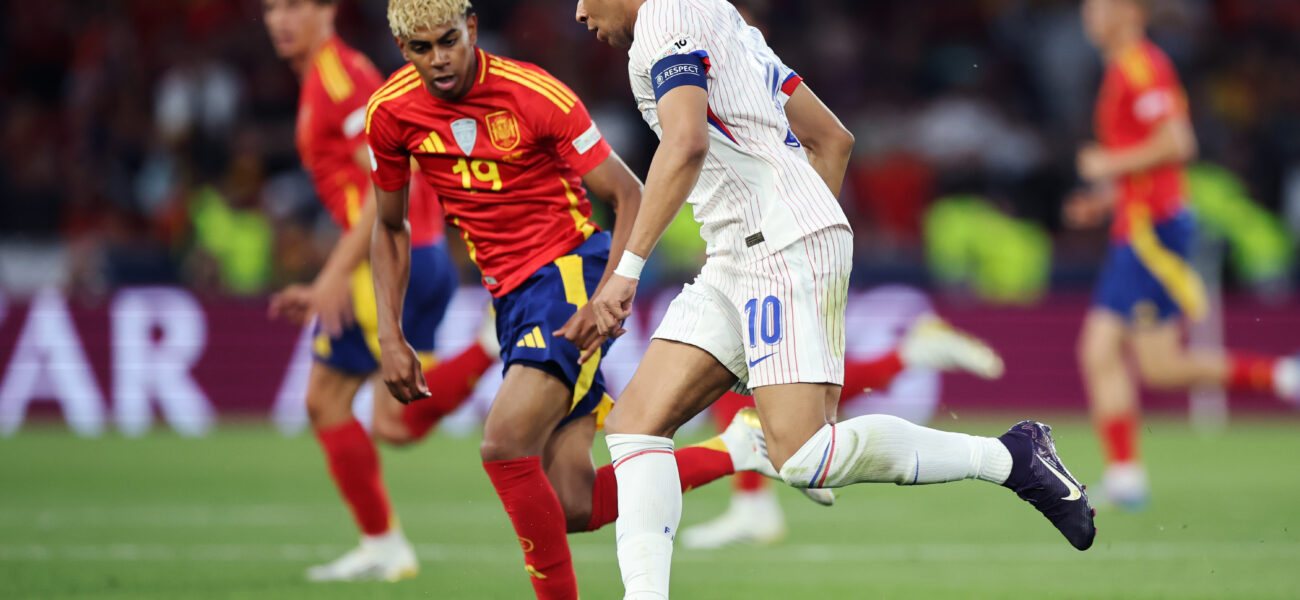
Teen Prodigy’s Defiance Echoes Through Geopolitical Football Theater
POLICY WIRE — Madrid, Spain — It isn’t just about goals and glory anymore, is it? Not when the grandest stages of sport become arenas for coded declarations, psychological gambits, and the...

POLICY WIRE — Madrid, Spain — It isn’t just about goals and glory anymore, is it? Not when the grandest stages of sport become arenas for coded declarations, psychological gambits, and the fierce assertion of national pride. Sometimes, it takes a barely-legal teenager—one who still qualifies for youth tournaments—to cut through the corporate jargon and diplomatic pleasantries, laying bare the raw, unapologetic ethos of competition. And that’s precisely what we saw this week.
Spain’s electrifying forward, Lamine Yamal, hasn’t just been scoring, he’s been crafting narratives. With the semi-final clash against old rivals France looming like an immovable object on the calendar, Yamal’s recent pronouncements have been less an athlete’s bravado and more a concise geopolitical statement. We’re talking pure, distilled confidence here—the kind that either inspires unwavering loyalty or incites visceral annoyance, depending on your colors. His public declaration, hinting at Spain’s history of dominance over France in these knockout scenarios, wasn’t just football chatter; it was a carefully lobbed verbal grenade.
But make no mistake, Yamal isn’t some brash rookie. He’s operating in a global landscape where sporting figures are megabrands, their words carrying significant weight. The original report, an AI-translated snippet, barely scratched the surface of what’s truly at play. It’s the psychological theater, you see. France knows this, too. And when Yamal speaks of past victories—like those in the Euro Cup and Nations League semi-finals—he’s not just reciting history; he’s weaponizing it, a pointed reminder that some psychological scars just don’t heal quickly.
It’s this blend of youthful audacity and strategic messaging that makes him such a compelling figure, attracting eyes not just from Barcelona’s home stadium but from every corner of the planet, including avid fans in places like Karachi or Lahore, where the Premier League and La Liga aren’t just entertainment, they’re escape and aspiration. Many across the Muslim world view these sporting events with a fervent passion, linking global athletic achievements to a broader sense of pride and connection. It’s a multi-billion dollar economy, fueled by remote viewers and shared digital spaces, making heroes of players like Yamal irrespective of their origins. FIFA’s most recent World Cup, for example, drew a record-breaking global audience of 5 billion people, demonstrating the immense economic and cultural footprint of football across diverse continents.
“We respect them, sure. France fields a team of titans, every last one,” Yamal reportedly stated during a press conference that was less a media availability and more a ceremonial unfurling of intentions. “But fear isn’t in our playbook. We’ve proven what we can do when it truly counts, when the lights are brightest. And frankly, we expect to do it again.” That’s a young man telling you they’re not just playing to win; they’re playing to establish psychological dominion.
📄 POLICY WIRE WHITEPAPER PUBLISHED: PAKISTAN'S NATIONAL SECURITY POLICY PRIORITIES
👉 READ BY CLICKING HERENot surprisingly, this didn’t go uncommented upon across the Pyrenees. Jean-Claude Duval, a spokesperson for the French Ministry of Sport, offered a decidedly more measured, albeit subtly frosty, retort. “Spain is a formidable opponent, brimming with young talent like Yamal. We acknowledge their capabilities, of course. But we’re France, — and we’ve got our own history of delivering under pressure, under scrutiny. They’ll find Tuesday a different proposition from what they’ve encountered before.” That’s French bureaucratic elegance for “don’t you dare count us out.” It’s classic international relations—on the pitch, anyway.
The semi-final, slated for Tuesday, July 14, isn’t merely a football match for a World Cup final spot; it’s a barometer for where European football’s power truly lies. It’s a clash of generations, of tactical philosophies, — and yes, of national wills. The sheer economic power driving these matchups means millions upon millions in branding, broadcasting rights, and global influence. Because when these giants collide, it’s rarely just about the game itself. It’s never just about the game, is it? You can read more about how athletes become global brands and the implications for the wider economy here, and the unexpected narratives that arise from such spectacles here.
What This Means
The brazen confidence displayed by figures like Yamal signals a significant shift in the global footballing hierarchy, but more importantly, in the psychology of national representation through sport. Historically, experience was king. Now, youth and audacity, coupled with unprecedented global media reach, are rewriting the rulebook for what constitutes a powerful sporting persona. These high-stakes matchups, particularly between traditional powerhouses like Spain and France, become geopolitical proxies, attracting enormous capital and public attention, far beyond mere fandom. A victory isn’t just three points; it’s a momentary affirmation of national vibrancy — and influence on the world stage. Economically, such performances directly translate into increased tourism, brand visibility, and foreign investment interest. It’s not just a match; it’s a living, breathing case study in soft power.