

Europe’s Quiet Calculus: The Gritty Reality of Stability Beyond Grand Gestures in the Middle East
POLICY WIRE — BRUSSELS, BELGIUM — It isn’t the tanks rolling in, or the drone strikes you hear about on the evening news. Forget the high-drama geopolitical theater. Europe’s gambit for...

POLICY WIRE — BRUSSELS, BELGIUM — It isn’t the tanks rolling in, or the drone strikes you hear about on the evening news. Forget the high-drama geopolitical theater. Europe’s gambit for stability in the Middle East, a region perpetually teetering on a knife’s edge, is a far grittier affair. It’s playing out in vocational training centers in Jordan, through water purification projects in Lebanon, and, less visibly, in the subtle dance of cultural exchange programs meant to bridge chasms decades in the making. That’s right; sometimes, fixing a sputtering water pump makes more policy ripples than another stern-faced press conference.
But this isn’t exactly altruism. Brussels, forever wary of mass migration and the blowback from regional instability, has quietly (and sometimes not so quietly) upped its ante on what it deems ‘soft power’ initiatives. It’s a calculated bet, a recognition that security isn’t just about hard borders; it’s about stable societies. And that means a decent job, a bit of cultural dignity, and working sewers—basic stuff, really. We’re talking less about regime change — and more about plumbing, and that’s telling.
Sources within the European Commission concede it’s a slow game, one that frankly frustrates some of the continent’s faster-moving foreign policy wonks. “We aren’t just sending checks. We’re cultivating relationships, understanding the street-level pulse,” remarked a high-ranking EU Commission spokesperson, speaking on background from his glass-and-steel office in the Belgian capital. “That’s a slow burn, but it’s what sticks, long after the aid convoys have gone home.” It’s a pragmatism born of repeated failures, you see, a realization that heavy-handed intervention often leaves more problems than it solves. It’s expensive, it’s bloody, and, frankly, it just doesn’t work.
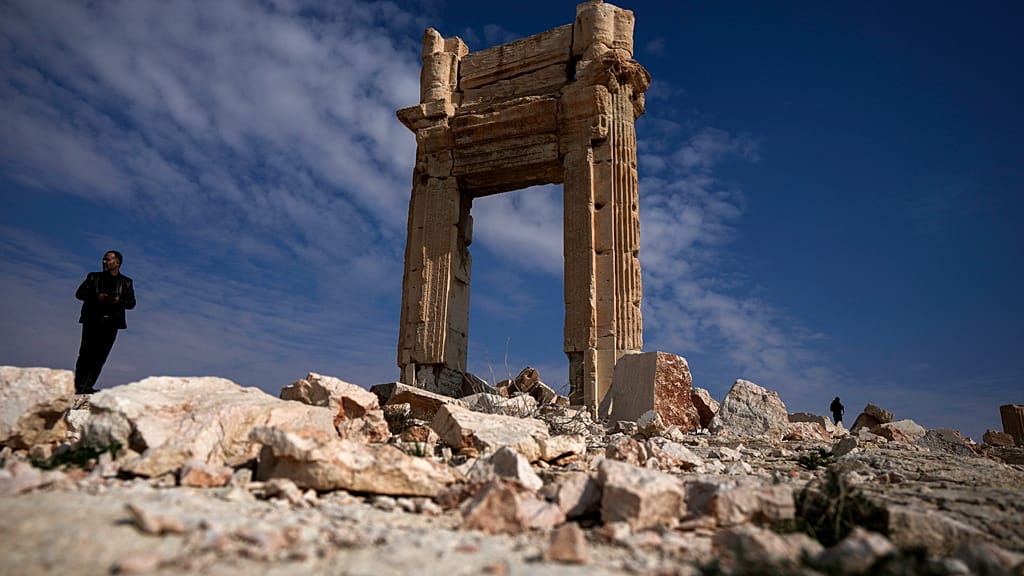
And so, the focus shifts. Not to grand declarations, but to the tangible. To electricity grids, digital infrastructure, even helping preserve ancient cultural sites that could draw tourism and—gasp!—some hard currency. For instance, the EU allocated nearly 1 billion euros to regional development projects in the broader Middle East and North Africa (MENA) region in 2023 alone, according to its own Neighbourhood, Development and International Cooperation Instrument (NDICI).
Yet, the effectiveness of these efforts is still up for debate. There’s always the lingering suspicion among local populations that this ‘help’ is merely a thinly veiled continuation of old colonial interests, a cynical calculation of self-preservation disguised as benevolence. You hear it often in whispers in the bazaars of Marrakech or the cafés of Cairo: “They care more about their borders than our lives.”
📄 POLICY WIRE WHITEPAPER PUBLISHED: PAKISTAN'S NATIONAL SECURITY POLICY PRIORITIES
👉 READ BY CLICKING HEREThis European model, this focus on the grassroots, hasn’t escaped the notice of other nations grappling with instability. Pakistan, for instance, a nation constantly battling its own internal demons and regional complexities, watches these European cultural and infrastructure projects with a certain grim interest. Could similar granular, locally-focused investments, perhaps bolstered by broader Islamic finance, offer a pathway out of some of its own quagmires? The parallels are there: vast youth populations, strained resources, and an omnipresent external narrative often at odds with local realities. They’ve got their own struggles, of course, with fake news and digital instability causing quite a ruckus in the region, as explored in articles like Digital Phantom: Fake Video Incites Jitters in India-Pakistan Standoff.
But does Europe truly get it? Not always. “Brussels knows it can’t just dictate anymore,” lamented a senior French diplomat, speaking frankly during a quiet moment off the record. “They’ve learned, finally, that engagement means rolling up your sleeves, investing in the nitty-gritty: education, water, local entrepreneurship. Call it soft power, sure. We just call it the only thing left that might actually make a difference.” He paused, taking a long drag from a tiny coffee cup. “And even then, it’s a hell of a gamble.” These aren’t just academic exercises for think tanks; these are real stakes, with real consequences.
Because ultimately, Europe’s stability—and let’s be honest, that’s always the priority—is intrinsically linked to the Middle East’s. You can’t insulate one from the other. The refugee crises, the energy shocks, the pervasive extremist narratives – they don’t respect national boundaries. So, Europe keeps building. Not just buildings, but bridges, metaphorical ones at least, hoping the currents beneath won’t sweep them away. They’re betting that a steady hand in the practical stuff, the unglamorous essentials, might just prevent another conflagration from engulfing everyone.
What This Means
Europe’s shifting strategy represents a recognition of past errors. No longer can it parachute in grand pronouncements or try to reshape societies through military might alone. This low-key, culture-and-infrastructure focused approach, while slow, aims for sustainable stability rather than short-term fixes. Economically, it cultivates dependency (some would say partnership) and future trade relationships, mitigating the risk of economic collapse that could fuel unrest. Politically, it grants Europe a degree of legitimacy on the ground, bypassing traditional diplomatic bottlenecks and often engaging directly with civil society. But it’s also a strategy vulnerable to local corruption, political upheaval, and—let’s be clear—the fundamental contradictions of external powers attempting to ‘stabilize’ a region without ever truly ceding control. The true test isn’t just if these projects get built, but if local populations ever truly embrace them as their own. It’s a pragmatic play, but pragmatism often runs thin when met with deep-seated historical grievances and burgeoning local aspirations for genuine autonomy. There’s only so much you can fix with a new pipeline when trust itself is broken.
📖 GET YOUR FREE COPY NOW OF POLICY WIRE DIGITAL MAGAZINE JULY 2026 EDITION
👉 READ & DOWNLOAD FREE MAGAZINE