


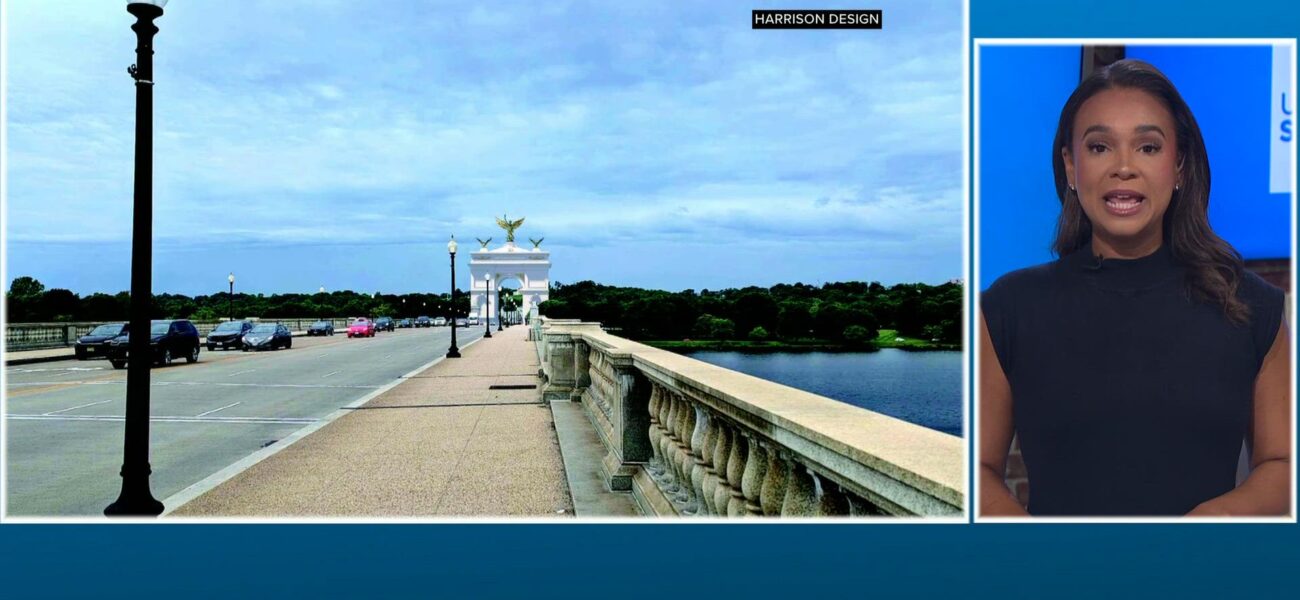
Arch of Ambition: D.C.’s Monumental Aspirations, or Just Another Power Play?
POLICY WIRE — Washington, D.C. — Rome had hers, Paris its own magnificent arches, symbols etched in stone, declaring a triumph that would – supposedly – resonate through the ages. Now, it seems...

POLICY WIRE — Washington, D.C. — Rome had hers, Paris its own magnificent arches, symbols etched in stone, declaring a triumph that would – supposedly – resonate through the ages. Now, it seems Washington, D.C. might get one too. Forget for a moment the ongoing budget squabbles, the international diplomatic tightrope walks, or the simmering geopolitical tensions; some grand gesture, you know, demands attention.
It’s not just a fancy bridge or a new office block we’re talking about here. This is about a statement, a massive, unmissable monument, reportedly a [QUOTE_PLACEHOLDER] proposal that has secured early approval from a key federal agency. Yeah, you heard that right. While the nation collectively scratches its head over what triumph exactly such an edifice would commemorate, the gears of monumental bureaucracy have, against all odds, begun to turn.
It’s fascinating, really, the persistent human urge to leave an oversized mark. Folks in Washington have seen it all before, the proposals both outlandish — and genuinely inspired. But this one feels different, maybe because it cuts right to the heart of what leadership — and particularly this brand of leadership — wants to say about itself. A structure built not merely for utility but for pure, unadulterated declaration. And that’s a notion many find a bit… Roman for the current D.C. vibe.
The National Capital Planning Commission (NCPC), for instance, usually a body concerned with keeping things somewhat stately, reported a staggering 68% increase in monument and memorial design proposals last year alone, according to its annual review document. Many just fade into architectural purgatory, never to be heard from again. Yet, this particular arch seems to have found a rare trajectory. Its proponent has always been big on, shall we say, a certain visual impact, a scale that screams, not whispers, its presence.
But when you’re thinking about a triumphal arch, your mind can’t help but wander to places far beyond the Potomac. In Pakistan, for example, Islamabad’s own Pakistan Monument, while not an arch in the classical sense, conveys a similar kind of national pride and unity through its petal-like structure – representing the four provinces and three territories of the nation. It’s an undeniable symbol, built to endure. The sheer psychological force of such structures? It’s not just for tourism, I tell ya. These things embody a national narrative, or at least an aspirational one.
Imagine, then, D.C. with its classical Greco-Roman facades suddenly playing host to a brand-new, undoubtedly immense arch. The optics are, well, not exactly subtle. It hints at a narrative of unparalleled success, of victories so profound they warrant being literally enshrined. It kinda raises the question: what victory are we celebrating with enough grandeur to merit one of these things, anyway?
For some, this type of architecture evokes not triumph but empire, reminding many of the Gate of India in Mumbai, erected by the British to mark royal arrivals, a monument whose grandeur eventually became a symbol of departing colonial power. It’s a curious echo, how the aspirations for lasting glory can sometimes become, over time, a sort of ironic memorial to something altogether different. You see these themes play out repeatedly throughout the Muslim world, from the ancient ruins of Persepolis – itself a declaration of dominion – to the more recent grand urban projects in the Gulf states.
So, the early thumbs-up from a federal body for this gargantuan project, it isn’t just about architectural approval; it’s a peek into the ongoing, relentless drive to forge a certain image, a particular kind of legacy. A leader, you know, isn’t always content with mere policy triumphs. They want to literally stand tall, perhaps even cast a shadow, for millennia to come. That’s a powerful motivation. And we’re about to see how this plays out in a city already packed to the brim with monuments, each vying for attention and meaning.
What This Means
This early approval for a potential triumphal arch isn’t just an architectural footnote; it’s a significant political indicator. Politically, it signals a renewed, perhaps even heightened, focus on tangible, physical legacy building by certain political factions. It’s less about policy wins and more about symbolic assertions of power and national greatness – a visual manifestation of a political ideology that prioritizes grand displays. This isn’t subtle messaging, it’s a sledgehammer.
Economically, if this project gains further traction, you’re looking at a serious outlay. These types of endeavors aren’t cheap; they divert resources that could otherwise address more prosaic, yet often more pressing, public needs. We’re talking millions, likely billions, of dollars into design, materials, construction, — and ongoing maintenance. the selection of the agency that gave the nod, combined with its political context, can fuel debates over bureaucratic capture or, at least, significant political influence on supposedly impartial review processes. But it also presents an opportunity, for better or worse, to reshape public perception and define what future generations will associate with this particular era. Because let’s be honest, monuments, once built, aren’t easy to un-build.