


Mariachi’s Unlikely Baton: Albuquerque’s Quiet Symphony of Soft Power
POLICY WIRE — ALBUQUERQUE, N.M. — It’s a humid summer evening in the high desert, but the real heat isn’t just coming off the tarmac. No, it’s a searing blast of trumpets, violins, and a...

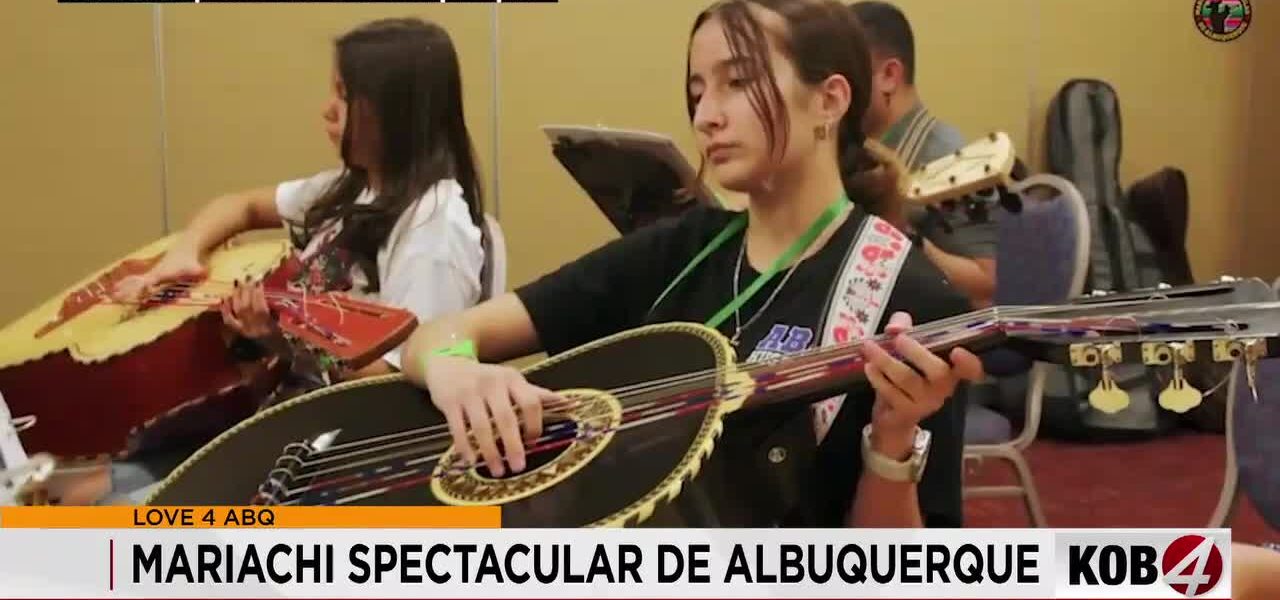
POLICY WIRE — ALBUQUERQUE, N.M. — It’s a humid summer evening in the high desert, but the real heat isn’t just coming off the tarmac. No, it’s a searing blast of trumpets, violins, and a rhythmic guitarron that’s been cooking in this New Mexico city for 35 years. Mariachi music, for the uninitiated, isn’t background noise for a dinner party; it’s a living, breathing cultural institution. And in Albuquerque, it’s proving a potent, if somewhat unexpected, force in the often-bruising world of civic diplomacy and economic fortitude.
For decades, many big cities across the American Southwest – hell, even some up north – have grappled with what to call ‘cultural heritage.’ But Albuquerque, for all its arid landscape, doesn’t mess around with ambiguity. It embraces its mariachi with the fierce grip of a seasoned musician holding a custom-made instrument. This year’s Mariachi Spectacular de Albuquerque (MSABQ) isn’t just another weekend concert. It’s an assertion, a multi-million-dollar economic injection, and a masterclass in soft power played out across a national stage. You’ve got to admit, it’s pretty savvy.
The annual shindig, a staple that began quietly back in 1991, has evolved from a local novelty into a juggernaut drawing performers and enthusiasts from across the globe. We’re talking serious musicians, dedicated students, — and a healthy influx of tourists packing local hotels and diners. According to figures released by the Albuquerque Convention & Visitors Bureau, cultural events like the MSABQ funnel upwards of $12 million annually into the city’s economy, proving that a well-tuned strum can be as effective as a well-oiled lobbying effort when it comes to municipal budgets.
Jeanette Salazar, the Executive Director for the Mariachi Spectacular de Albuquerque, sees more than just notes in the air. “This isn’t just about the performances,” she’ll tell you, her voice buzzing with the enthusiasm of someone who truly gets it. “It’s about preserving a tradition that’s deeply embedded in our very soil, in our families, in our identity. We’re not just putting on a show; we’re cultivating the next generation of cultural ambassadors. And frankly, the revenue it brings to this city—that’s just gravy.” She’s not wrong; culture, in this economy, sometimes needs to pay its own way.
But the reverberations go beyond just dollars — and cents. In a world grappling with identity politics and the perpetual struggle for cultural representation, Albuquerque’s consistent, decades-long investment in mariachi speaks volumes. It’s a nod to the fact that while some cultural narratives fracture, others, like this musical tradition, offer a unifying language. The rhythms connect—people, communities, even international relations—without uttering a single word of diplomatic jargon. It’s a testament to the quiet effectiveness of a cultural spectacle that continues to resonate far beyond the event itself.
Consider the delicate dance of cultural diplomacy often undertaken by nations across the Muslim world or South Asia, where traditional arts — from Sufi poetry in Pakistan to intricate textile weaving in Uzbekistan — face their own battles for recognition and preservation in a rapidly globalizing landscape. For these regions, cultural events often serve a similar purpose: reinforcing national identity, promoting inter-communal harmony, and presenting a nuanced face to an external audience often focused on conflict. Because whether it’s a mariachi band in New Mexico or a Qawwali ensemble in Lahore, music truly bridges divides and can present a powerful narrative of resilience and shared human experience.
“Albuquerque isn’t just tolerating its heritage; it’s leveraging it,” observes Dr. Elena Ramirez, a cultural anthropologist from the University of New Mexico who specializes in borderland studies. “This event serves as a living museum, yes, but it’s also an engine for economic opportunity and a potent symbol of resilience. It tells a story about identity — and belonging that transcends simple economics or tourism slogans. It demonstrates that culture, when nurtured, becomes an exportable good, a form of global outreach that doesn’t require military might or political heavy-lifting.” Her words cut to the chase, illuminating the event’s quiet political muscle.
This annual event – held each year around mid-July, often kicking off at venues like the Sandia Resort & Casino – does something more subtle than merely entertain. It solidifies a sense of place. It draws lines in the sand, saying, ‘This is who we’re,’ — and then invites everyone else to dance. There’s a particular kind of authenticity here, one that can’t be manufactured or PR’d into existence. It just… is. And it continues to prove that in the grand scheme of things, some of the most compelling narratives are told not by politicians, but by performers.
What This Means
The endurance of events like the Mariachi Spectacular isn’t just good news for local tourism boards; it offers a compelling blueprint for other cities navigating the tricky waters of cultural preservation and economic development. Politically, it subtly reinforces local autonomy and distinctiveness against broader national homogenizing trends, serving as a constant reminder of New Mexico’s unique Hispanic legacy. Economically, it shows that direct investment in heritage isn’t just a cost, but a highly profitable venture, particularly when marketed well. This cultural steadfastness also plays a role in what’s often called ‘soft diplomacy.’ In an era where cultural diplomacy often struggles for funding or recognition, events like these are quietly, but powerfully, advancing a message of diverse heritage and inclusivity on an international stage, far more effectively than any state-sponsored program could hope to achieve. And sometimes, you know, a city’s strongest asset isn’t a factory or a tech hub, but a centuries-old musical tradition, vibrant and unapologetic. You can also see a similar economic and identity drive in other forms of performance and cultural events, like how the economics of excellence in professional sports shape narratives and local pride.