

Ideological Currents: Middle East Shores Bar LGBTQ Cruise, Signaling Deeper Rift
POLICY WIRE — Cairo, Egypt — A vessel carrying the vibrant banner of inclusivity and the promise of open-wallet tourism—a cruise ship designed for the LGBTQ community—found its course suddenly...

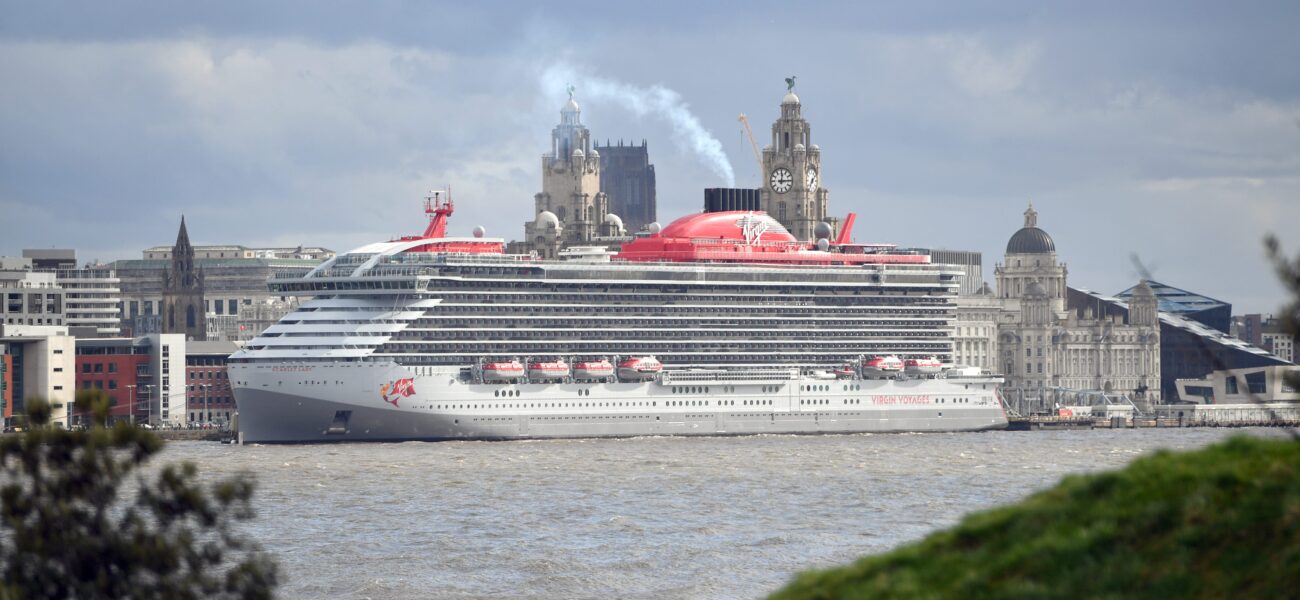
POLICY WIRE — Cairo, Egypt — A vessel carrying the vibrant banner of inclusivity and the promise of open-wallet tourism—a cruise ship designed for the LGBTQ community—found its course suddenly altered, not by capricious weather, but by cultural headwinds. Its intended stops in Turkish and then Egyptian ports simply vanished from the itinerary, dissolved by the unyielding currents of local values. This isn’t just about a vacation gone awry; it’s a jarring tableau, a stark collision of the "pink pound" economy and sovereign nation-states intent on preserving perceived societal norms. And what’s happened highlights an ongoing friction, one that’s quietly reshaping global commerce and diplomacy in ways we don’t always fully appreciate.
The incident unfolds like a modern parable. First, it was Turkey, a nation ostensibly looking West yet often looking inward, that waved off the maritime excursion. Officials there offered little public explanation, merely an opaque bureaucratic block. But the message, for anyone paying attention, was unmistakable. Because shortly thereafter, Egypt, custodians of ancient wonders, followed suit. They both made it clear: no, this particular kind of celebratory flotilla wouldn’t be docking in their harbors, its particular brand of Western-liberal commerce seemingly anathema to their national sensibilities.
A spokesperson for Turkey’s Ministry of Culture and Tourism, Hakan Demir, made it quite clear (albeit in hushed diplomatic tones), "Our policies prioritize the preservation of societal values and public order above all else. While we welcome diverse tourism, our regulations on moral conduct in public spaces are non-negotiable." It wasn’t a rejection of tourism, you understand—it was a careful distinction, a sort of ‘some are more equal than others’ when it came to holidaymakers. And that subtle recalibration of hospitality resonates far beyond its immediate economic ripples. Meanwhile, a high-ranking official at Egypt’s Ministry of Foreign Affairs, who asked not to be named given the sensitivities but we’ll call them Ahmed Al-Masri, echoed the sentiment with a touch more bluntness. "Egypt has always been a beacon of tolerance — and culture," Al-Masri stated. "However, we expect all visitors to respect the deeply held beliefs — and traditions of our society. It’s about maintaining social cohesion, not about excluding any particular group—it’s just our way."
But that "way" leaves many feeling excluded. This isn’t some fringe position in the broader Muslim world, either. In Pakistan, for instance, conversations around LGBTQ+ rights often mirror the very same arguments concerning tradition and public morality. Legal frameworks in many such nations remain punitive, with more than 60 countries criminalizing consensual same-sex sexual acts, according to data compiled by ILGA (the International Lesbian, Gay, Bisexual, Trans and Intersex Association). This incident in the Mediterranean simply amplifies a prevailing narrative across significant swaths of the globe, a narrative where human rights advocacy on one side meets rigid cultural conservatism on the other.
The denial to dock in Turkish and Egyptian ports, therefore, transforms a logistical headache for a cruise line into a revealing data point for international relations. It exposes a fissure not just over sexual identity but over the very nature of state sovereignty in an era of globalization. Nations are drawing lines, not on maps, but across what constitutes acceptable cultural import.
What This Means
Politically, these denials are less about homophobia for homophobia’s sake (though that’s a real and present factor, let’s not pretend otherwise) and more about political posturing for domestic consumption. Turkish President Recep Tayyip Erdoğan’s government often appeals to a conservative base, and signaling a rejection of perceived Western moral decadence plays well. It’s an affirmation of nationalist, religious values. Similarly, Egypt’s General Abdel Fattah el-Sisi’s administration—ever watchful of public opinion in a sometimes-volatile society—finds common cause in projecting an image of guardianship over societal norms.
📄 POLICY WIRE WHITEPAPER PUBLISHED: PAKISTAN'S NATIONAL SECURITY POLICY PRIORITIES
👉 READ BY CLICKING HEREEconomically, this is where things get interesting. The ‘pink pound’ or ‘gay dollar’ is a significant, growing force in global tourism, representing a demographic with notable disposable income. By turning away this cruise, both countries are sacrificing a slice of potential revenue, arguably in favor of maintaining social control and projecting an image of cultural purity. But then again, maybe they calculate the lost revenue is marginal compared to the domestic political capital gained. It’s a trade-off. This incident will inevitably send ripples through the broader tourism industry, forcing cruise lines and tour operators to re-evaluate itineraries and—dare I say—their risk assessments for operations in countries where cultural clashes are increasingly frequent. It also speaks to a larger global trend where nations are seeking to control what comes across their borders, not just in terms of people or goods, but ideas and behaviors.
Diplomatically, expect muted Western condemnation, largely because direct intervention is seen as culturally imperialistic and usually ineffective. But it’ll be noted, filed away as another point of divergence between so-called liberal democracies and nations prioritizing traditional values. We’re likely to see more of these subtle, but ultimately quite telling, clashes in the years ahead, shaping how nations interact on the global stage. After all, the seas might be vast, but some lines—cultural ones, political ones—remain stubbornly uncrossed.