

Iran’s Cryptic Curtain: A Burial, an Unsettled Succession, and Shifting Regional Sands
POLICY WIRE — Tehran, Iran — The solemn ritual, drawn out across an extraordinary span, culminated recently with what the state-run media had been forecasting for an eternity, it seems. A momentous...

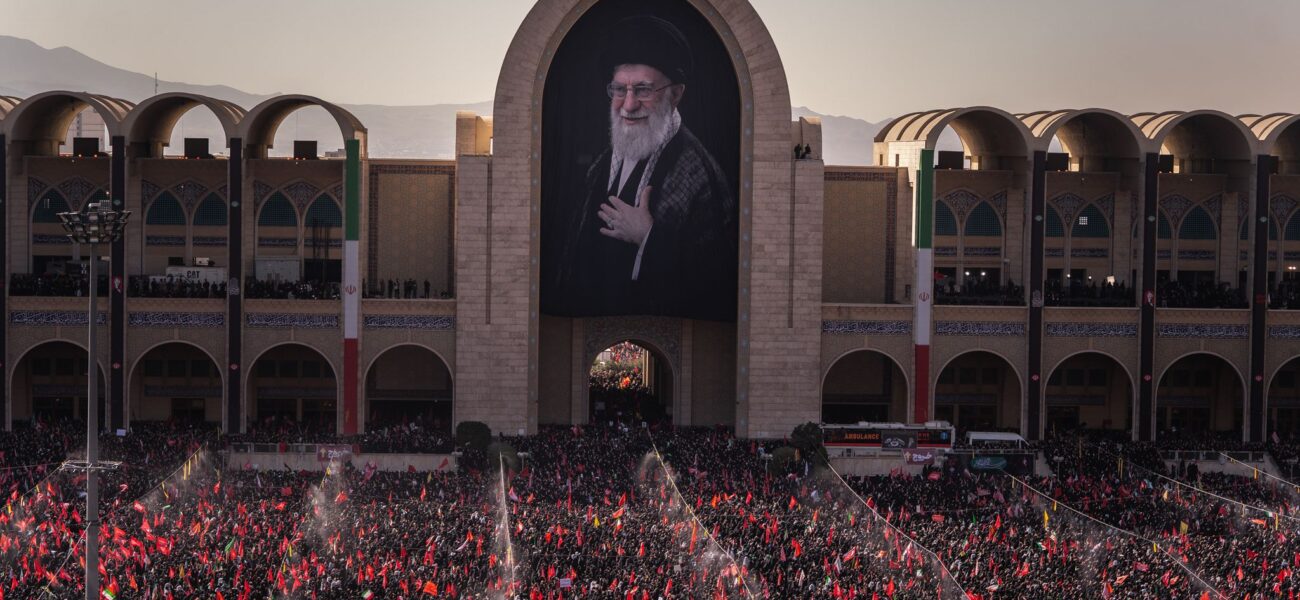
POLICY WIRE — Tehran, Iran — The solemn ritual, drawn out across an extraordinary span, culminated recently with what the state-run media had been forecasting for an eternity, it seems. A momentous quiet now descends, one punctuated only by the whispers of impending power struggles and the distant thrum of geopolitical tremors. For days on end, official channels projected a profound national grief. And now, the figurehead described simply as [QUOTE_PLACEHOLDER] finally [QUOTE_PLACEHOLDER] as official channels had stated. But a state burial, even one of such extended pomp and declared sorrow, rarely seals the book on a nation’s immediate future. More often, it cracks it open—sometimes with a deafening snap.
No, this wasn’t merely the end of an era—that much was certain the moment the news rippled through the region, well before the formal process began. It’s the messy beginning of the next one. One’s left to wonder what quiet deliberations occurred behind those velvet curtains during the elongated farewell. Who jockeyed for position? What alliances were forged in the shadow of mourning? The choreographed public grief, complete with a carefully managed procession, spoke volumes, not about organic sorrow, but about a meticulous state machinery ensuring absolute control over the narrative.
The streets may have echoed with the collective expression of sorrow—or something resembling it—but the real action, the consequential maneuvering, was tucked away from public view. It always is, in systems designed to prioritize continuity over transparency. The question wasn’t if the Supreme Leader would pass the torch, but to whom, and with what amount of internal friction. Any void, however temporary, is an opportunity; those with an eye for power recognize this inherently. And make no mistake, Iran is hardly a monolithic entity, despite how it might appear from afar.
Because, really, no single figure, however charismatic or formidable, ever truly controls a nation’s destiny alone, not for long. History is replete with such examples, nations scrambling for equilibrium after a long-serving patriarch exits the stage. In this particular case, the internal mechanisms for succession are famously opaque. We’re not talking about a simple election here, you see. It’s an intricate dance within a deeply entrenched clerical establishment. The ‘days of mourning’ gave the players just a little more time to finalize their steps, wouldn’t you think?
The ripples extend far beyond Tehran’s ancient bazaars. Pakistan, Iran’s eastern neighbor, watches intently—it always does. It’s a tricky tightrope walk for Islamabad, balancing historical ties, a significant Shi’a minority population, and often-strained relations with Riyadh. Any destabilization in Tehran translates into potential complications for Pakistani domestic stability and its regional foreign policy calculations. The stability of a shared, volatile border becomes an even sharper concern. As Damascus’s Precarious Calm: Assad’s Iron Fist Clenches Over Lingering Scars might suggest, regional strongmen can fall, or at least leave, and the aftermath is rarely peaceful.
One notable statistic highlights the potential economic anxieties underpinning any leadership change: Iran’s official youth unemployment rate stood at 22.8% in the first quarter of 2024, according to the Statistical Center of Iran. This staggering figure underscores a populace ripe for dissatisfaction—a variable often conveniently overlooked amidst grand pronouncements of unity and spiritual continuity. A new leadership will inherit a simmering cauldron of economic woes, and managing public dissent effectively will be crucial for maintaining its grip.
📄 POLICY WIRE WHITEPAPER PUBLISHED: PAKISTAN'S NATIONAL SECURITY POLICY PRIORITIES
👉 READ BY CLICKING HEREBut the theatrical displays of grief served a purpose beyond mere commemoration. They reaffirmed the revolutionary credentials of the establishment, attempted to showcase popular support, and perhaps most importantly, reminded the world of the ideological bedrock upon which the Islamic Republic stands. Any potential challenger or successor must first wear that mantle convincingly. They’ve been setting the stage, for what feels like eons—all for this act. Now the curtains are truly drawing back.
What This Means
The passing of such a long-reigning figure— [QUOTE_PLACEHOLDER] —isn’t simply a matter of state protocol. It’s a seismic event for regional geopolitics — and the future direction of the Islamic Republic itself. Domestically, expect an intense, though likely private, power struggle within the Assembly of Experts to anoint the next Supreme Leader. This process, by its nature, is designed for stability but could expose deep fissures within the clerical elite. Should a hardliner or an unexpected compromise candidate emerge, Iran’s foreign policy—especially concerning its nuclear ambitions, relations with the West, and regional proxies—could swing sharply.
Economically, the new leadership faces immense pressure. Crippling sanctions, a restive youth population, — and a heavily centralized economy demand difficult reforms. Without significant shifts, public discontent, exacerbated by inflation and unemployment (that 22.8% youth unemployment figure is a ticking bomb), will remain a persistent threat to regime legitimacy. Regionally, neighbors like Iraq, Afghanistan, and Pakistan, along with Gulf states and Israel, will monitor closely for any signs of internal weakness or increased external aggression. Any instability within Iran has an immediate destabilizing effect across the Middle East — and parts of South Asia. The intricate web of alliances and antagonisms will certainly shift, requiring nations like Pakistan to once again recalibrate their delicate balancing act between Tehran and Riyadh, or even Ankara. The next few months aren’t just about ‘mourning;’ they’re about profound strategic re-evaluation for every player on that board.