


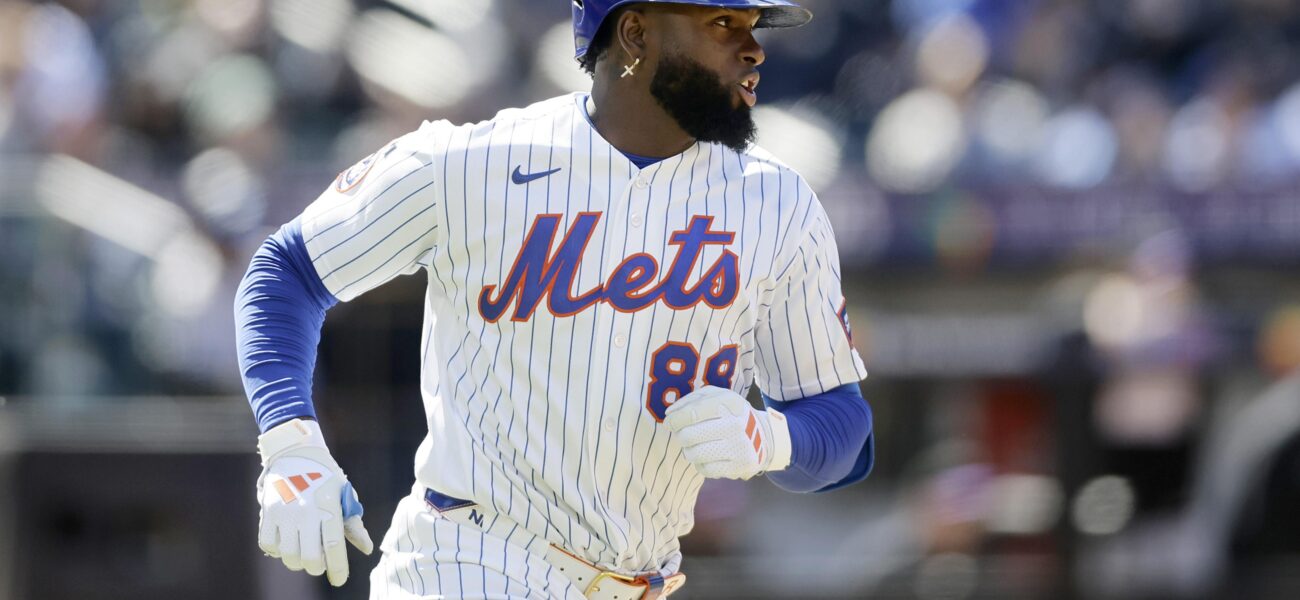
The Brutal Arithmetic of Baseball Dreams: Injury, Economics, and a Globalized Grind
POLICY WIRE — New York, USA — When Luis Robert Jr. dons the Binghamton Rumble Ponies uniform for a rehabilitation stint, the marquee flashes one name, but the reality reflects a thousand others. It...

POLICY WIRE — New York, USA — When Luis Robert Jr. dons the Binghamton Rumble Ponies uniform for a rehabilitation stint, the marquee flashes one name, but the reality reflects a thousand others. It isn’t merely a baseball player recuperating an ankle. It’s the entire relentless, multi-tiered economic engine of professional sport grinding away, often with little sentiment for the individuals powering it. His temporary presence in Double-A casts a harsh, fluorescent light on the vast chasm separating baseball’s opulent major league pinnacle from the unforgiving, often unglamorous, minor league churn beneath it. It’s a temporary downgrade, yes, but for many on that same field, it’s the summit.
And that’s the brutal truth, isn’t it? While Robert Jr.’s every swing signals his eventual return to a $100+ million contract with the New York Mets — a testament to a specific talent market, by the way — his minor league counterparts are battling for scraps. We’re talking about players who, according to a recent report by The Athletic, could be earning as little as $13,200 annually at the Single-A level before bonuses. Just imagine the stakes for someone like rookie left-hander Max Green, who shipped six runs in less than three innings for the Rumble Ponies. You can practically hear the clock ticking, can’t you? It’s not just a bad outing; it’s a potential career-ender, a future livelihood. The performance on a humid July night means everything.
But the calculus goes beyond individual stats. This whole setup? It’s a calculated, if cutthroat, pipeline for talent acquisition, development, and, inevitably, discard. We see teams casting wider nets than ever, too. Think of the scouting initiatives now reaching deep into previously untapped regions, like parts of South Asia or the Muslim world. I mean, it’s not just the Caribbean or East Asia anymore, you know? Franchises are looking for athletic phenoms anywhere they can find them, treating every corner of the globe as a potential breeding ground for the next big star. The sheer global diaspora means a kid with Pakistani heritage growing up in London, or an Afghan refugee in Germany, might get a look for cricket, but the raw athleticism is transferable. It’s a business, always chasing new markets for talent — and viewership.
MLB Commissioner Emeritus, Robert Manfred (a real estate magnate by background, don’t forget), once candidly remarked, "The minor leagues are a necessary crucible. They forge talent, yes, but they also serve a broader economic function – identifying true value within a vast pool. It’s not always pretty, but it’s efficient." You don’t need to be a political pundit to decode that kind of language. Efficiency. Value. It’s all about the bottom line. Meanwhile, Samira Khan, a veteran agent who’s seen it all, offered a more ground-level perspective. "These kids aren’t playing for glory most of the time. They’re playing for their next meal, for a flight home, for the slimmest chance at changing their family’s lives. It’s an illusion of meritocracy sometimes, a constant battle against being overlooked or outspent." She isn’t wrong. These aren’t tales of glamorous rookie debuts every time. They’re usually just endless bus rides.
Because that’s the thing. While guys like Robert Jr. rehabilitate towards an MVP-level salary (his 2-for-4 showing was a solid step back), the minor leagues themselves are a wild west. Injuries, poor performances, or just being stuck behind a similarly skilled but slightly younger player can derail years of effort in a blink. It’s a sobering reminder that sports, at its heart, is a cold, hard market. Sometimes, despite all the fanfare, an athlete’s journey feels more like a cog in a machine, turning only as long as it’s profitable. For some, the brutal calculus is an inevitable part of the journey.
What This Means
The rehabilitation of a high-value player like Luis Robert Jr. within the minor league system isn’t just a sports narrative; it’s a telling commentary on labor economics and global talent markets. On one hand, it highlights the immense investment clubs make in star players, requiring rigorous (and expensive) recovery protocols. On the other, it lays bare the precarity faced by thousands of prospects whose careers hinge on marginal gains and slim opportunities. This dual reality—elite treatment for a few, Spartan conditions for many—underscores ongoing debates about player welfare, unionization efforts in minor league baseball, and the financial responsibilities of sports franchises. But there’s also a subtle policy shift happening on the global stage. Baseball’s ongoing expansion, scouting ever-younger — and ever-further afield, implies a strategic pivot. There’s a recognition that demographic shifts and increasing global interconnectivity mean talent isn’t restricted to traditional hotbeds. Clubs, consciously or not, are engaging in a form of soft diplomacy, extending cultural reach into nations where baseball might historically have been a foreign concept, simultaneously tapping into new fan bases and potential profit centers. It’s a complex cost-benefit calculation, whether in football or baseball, that determines which talent gets nurtured and which gets discarded.