


Collegiate Chess Moves: Tech Scoops Up Young Talent in High-Stakes Game
POLICY WIRE — BLACKSBURG, VA — Another day, another commitment. That seems to be the mantra these days in the frenzied world of collegiate athletic recruitment, a landscape that increasingly...

POLICY WIRE — BLACKSBURG, VA — Another day, another commitment. That seems to be the mantra these days in the frenzied world of collegiate athletic recruitment, a landscape that increasingly resembles an auction more than an academic pursuit. No sooner had the ink dried on one prized acquisition for Virginia Tech’s women’s basketball program than head coach Megan Duffy—hardly a slouch herself, now in her second year—reeled in yet another. It’s a relentless, perhaps even cutthroat, operation. You might think, given the dizzying speed of it all, that coaches rarely have time to savor their wins. They just keep turning the wheel.
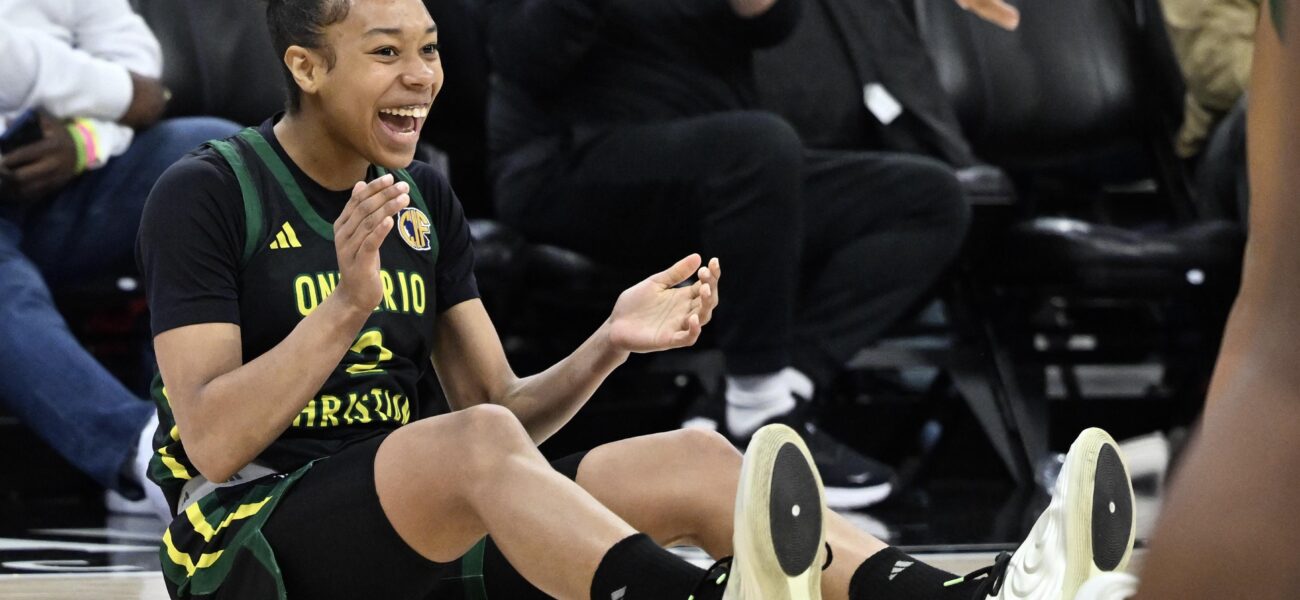
This latest grab, however, isn’t just another name on a burgeoning roster. It’s Dani Robinson, a 5-foot-10 guard who, at an age when many kids are still figuring out geometry, is already being pegged as an elite talent. Hailing from Rancho Cucamonga, California, Robinson plays for Ontario Christian High School. That’s a serious program, one of the top women’s high school programs in the country, churning out talent like clockwork. They aren’t in the business of mediocrity over there. But let’s be honest: that kind of pipeline isn’t built on good wishes — and sunny dispositions. It’s strategic. It’s planned. It’s relentless. [QUOTE_PLACEHOLDER]
She’s a member of the 2027 class—yes, 2027, the long game is real—and already carries the weight of high expectations. ESPN has her ranked as a four-star recruit — and the No. 36 overall player in the 2027 class. Think about that for a second. Kids who can’t even vote yet are already national commodities. It’s a striking glimpse into how early specialized talent gets identified, cultivated, and fought over in America’s sprawling sports industrial complex. The dollars — and prestige driving this cycle aren’t trivial; they’re the engine.
And Robinson isn’t alone in committing to the Hokies for that far-off class. She’s joining Lillie Graves, a 6-foot-0 guard from Lafayette, Indiana. Graves is also a four-star ESPN recruit. Suddenly, the 2027 class for Virginia Tech has two of the top 60 players in the entire nation locked down. For the Hokies, fresh off a 23-10 season that saw them reach the NCAA Tournament in Duffy’s inaugural go-around, this week’s recruitment push is less about happenstance and more about establishing dominance—or at least a serious competitive edge—for the foreseeable future. A good week for the Hokies, as the original presser put it. You bet it was.
Robinson’s on-court pedigree speaks for itself. She helped lead Ontario Christian to a state championship this past season, an experience that isn’t just about athletic glory but also about understanding pressure, teamwork, and the bitter taste of competitive failure and eventual triumph. She averaged 16 points, 4.4 rebounds, 4.0 assists, — and 3.9 steals per game. Those aren’t just numbers; they’re a resume. They tell a story of an all-around player who doesn’t just score, but also facilitates, cleans the glass, and snatches the ball away like a seasoned professional.
📄 POLICY WIRE WHITEPAPER PUBLISHED: PAKISTAN'S NATIONAL SECURITY POLICY PRIORITIES
👉 READ BY CLICKING HEREBut the true implications of such early commitments extend beyond simple box scores. This isn’t just about basketball. It’s about projecting influence, building brand equity, — and securing assets years before they step foot on campus. It’s a calculated gamble on potential. If the NCAA were truly a free market, a young player like Robinson could command a fortune. Instead, her value is partially deferred, traded for a promise of elite development, exposure, and, naturally, that coveted education—all within the rigid framework of amateurism. For a coach like Duffy, these pledges mean continuity, a testament to her team’s emergent attractiveness, and a serious headache for every opposing program attempting to catch up. They’re building a roster from the ground up, not just for next season, but for years down the line, essentially forecasting the future of their program with alarming precision. It makes you wonder how long this frantic talent acquisition can sustain itself without eventually turning even more overtly transactional.
What This Means
The swift capture of premier high school talent like Dani Robinson isn’t merely a collegiate sports update; it’s an economic indicator, a microcosm of larger geopolitical maneuvering and resource allocation. For universities, particularly in regions keen to project influence, securing a national reputation in sports is no longer a sideline activity; it’s a strategic asset. These young athletes represent more than just wins and losses; they’re the living embodiment of brand visibility, alumni engagement, and ultimately, cold hard cash. Consider the implications if other sectors—say, vital industries or intellectual capital—adopted such an aggressive, globalized talent pipeline, pre-empting the market years in advance.
From a political standpoint, the optics of winning on the national stage, even in sports, often translate into broader civic pride and state endorsement. Institutions that consistently attract top-tier talent essentially corner the market on aspiration, convincing other prospective students—and their families—that this is where opportunity resides. It reflects an entrenched system where concentrated resources dictate future outcomes. And while these stories often remain U.S.-centric, one cannot help but ponder the nascent talent pools in places like South Asia. Imagine the untapped sporting genius in nations like Pakistan or Bangladesh, where formalized, well-funded pipelines akin to those in the U.S. collegiate system are far less common. How many Robinsons and Graveses are out there, unseen, unrecruited, their athletic prowess an unpolished diamond merely because the institutional machinery to identify and cultivate them isn’t in place? The sheer financial and scouting power demonstrated here is staggering, especially when compared to athletic development models struggling for funding in countries that see far less return on investment from such infrastructure.
This commitment, then, is a bellwether for the increasing commercialization of youth talent and the long-term strategic investments being made by major athletic programs. It points to a future where colleges function less as traditional educational bodies and more as multi-faceted corporations, constantly on the hunt for competitive advantages—human or otherwise. For anyone monitoring the economic health of regional institutions or the shifting landscape of global talent flows and their local riffs, these kinds of athletic declarations are worth far more than a casual glance. It’s about who gets to claim the future, years before it arrives. It also suggests an implicit acceptance of the escalating costs involved in securing that future, no matter the domain.
📖 GET YOUR FREE COPY NOW OF POLICY WIRE DIGITAL MAGAZINE JULY 2026 EDITION
👉 READ & DOWNLOAD FREE MAGAZINE