


Colorado Wildfires: Climate Crisis & Global Impact
As Colorado burns, the climate crisis intensifies. This analysis explores the devastating local impact, global connections, and urgent policy reforms needed.

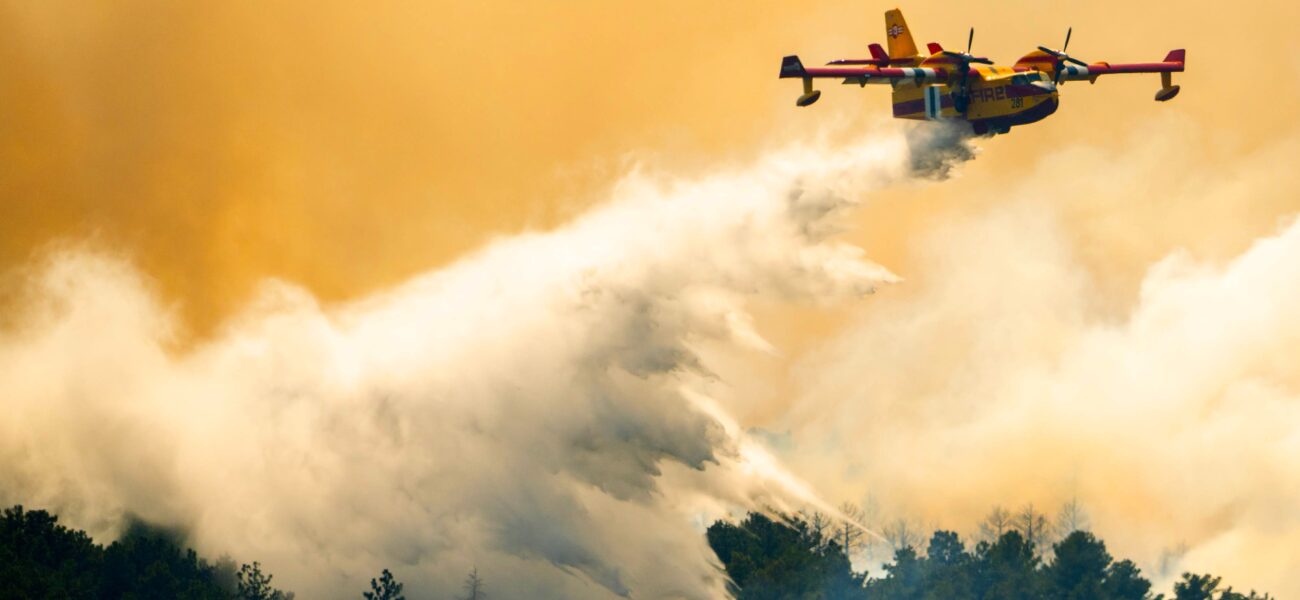
POLICY WIRE — Washington D.C., USA — It wasn’t the kind of sunset anyone wished for. Not when the sky over a seemingly prosperous slice of America gets stained with smoke, an acrid reminder of nature’s escalating fury. The headlines hit hard, matter-of-factly describing a ‘wildfire southwest of Denver’ that didn’t just singe the edges; it took big bites out of neighborhoods, snatching homes and lives uprooting in its path. And, quite suddenly, thousands had to drop everything.
It’s a story we’ve grown grimly familiar with, one of escalating risk that demands a sharper lens than the usual weather report. This inferno, blazing its way across the landscape, was yet another jarring bell tolling on the accelerating climate shifts challenging even the best-resourced nations. When a fire ‘forces thousands to evacuate,’ it isn’t just about lost property; it’s about torn families, ruptured communities, and a gnawing sense of uncertainty about what tomorrow, or next fire season, brings. [QUOTE_PLACEHOLDER]
They’ve already confirmed the incident ‘destroys more than 160 structures.’ That isn’t just wood and nails, it’s decades of memories, careful savings, the very fabric of existence, simply gone. Poof. And we’re seeing this pattern repeat, a relentless cycle that’s stretching emergency services thin and fraying public patience. But it’s not just in the Rockies. Look further afield, say to a place like Balochistan, Pakistan—a region battling its own persistent drought and, in consequence, often battling wildfires that devastate fragile ecosystems and displace rural populations.
This is where the story connects, see? These aren’t isolated events; they’re all part of a larger, messier tapestry, one spun by changing global weather. What happens in the American West echoes in the Hindu Kush. A harsh, dry winter followed by scorching summer temperatures creates a powder keg, no matter the longitude. In Pakistan, and indeed much of South Asia, the impacts of extreme weather—from devastating floods to heatwaves pushing beyond human endurance—have become terrifyingly common. Just like Colorado, communities there are often left reeling, needing external aid and, frankly, better preparedness infrastructure.
The numbers don’t lie. The National Interagency Fire Center (NIFC) reports an average of over 7 million acres burned annually in the U.S. over the last decade. That’s an awful lot of acreage, much of it happening in the wildland-urban interface (WUI)—where homes quite literally rub shoulders with nature’s combustibles. It’s a policy conundrum wrapped in a burning question: How do you protect people when the line between human habitation and wildfire risk keeps getting blurrier?
You can bet lawmakers will face renewed pressure. Citizens want answers, they want action, — and they want security. But then again, politicians often move at a glacier’s pace—not exactly helpful when the climate crisis is speeding up. We’re dealing with more than just a localized disaster; it’s a symptom of a larger illness that requires a global prescription.
📄 POLICY WIRE WHITEPAPER PUBLISHED: PAKISTAN'S NATIONAL SECURITY POLICY PRIORITIES
👉 READ BY CLICKING HEREWhat This Means
The Colorado wildfire isn’t just a blip on the disaster radar; it’s a searing indictment of existing policies and an economic harbinger. Politically, expect renewed, though likely performative, calls for climate action at both federal — and state levels. The immediate focus will be on emergency relief and rebuilding efforts, placing significant strain on state budgets and, quite possibly, requiring federal injections. Governors and senators from affected states—they’ll be scrambling, naturally, for relief packages, trying to project competence while fires still smolder.
However, the harder, more inconvenient truths about land use planning — and climate change mitigation? Those usually get shunted into legislative purgatory. Look, developing policies that genuinely tackle climate resilience, restricting building in high-risk areas, or investing heavily in proactive fire management often clashes with powerful real estate interests and individual property rights. It’s an election year, or always close enough, meaning brave policy choices rarely win out against entrenched lobbies.
Economically, the impact stretches far beyond the immediate ‘more than 160 structures’ destroyed. Insurance markets will undoubtedly harden, premiums will skyrocket, and certain areas could become virtually uninsurable. This isn’t just theoretical; it’s happening already in parts of California. This in turn will depress property values in at-risk communities, impacting local tax bases and overall economic vitality. Reconstruction efforts, while generating some temporary jobs, often face significant supply chain issues and escalating costs. You can’t just snap your fingers — and bring back an entire community.
From a global perspective, this type of event spotlights the unequal burden of climate change. While America has the resources, however imperfectly distributed, to respond to these disasters, nations like Pakistan face similar, if not more extreme, environmental vulnerabilities with significantly fewer means. It underscores the urgency of international cooperation, something that has proven complicated even in established regional agreements. But without it, the scale of these escalating climate-induced crises could easily overwhelm any single nation’s capacity. It’s a sobering thought, isn’t it?