


Germany’s Opulent Cars: Soft Power & Economic Strategy
Germany's 2026 Concours of Elegance showcases 42 opulent vehicles. Discover how this luxury car event is a strategic soft-power play and economic statement.

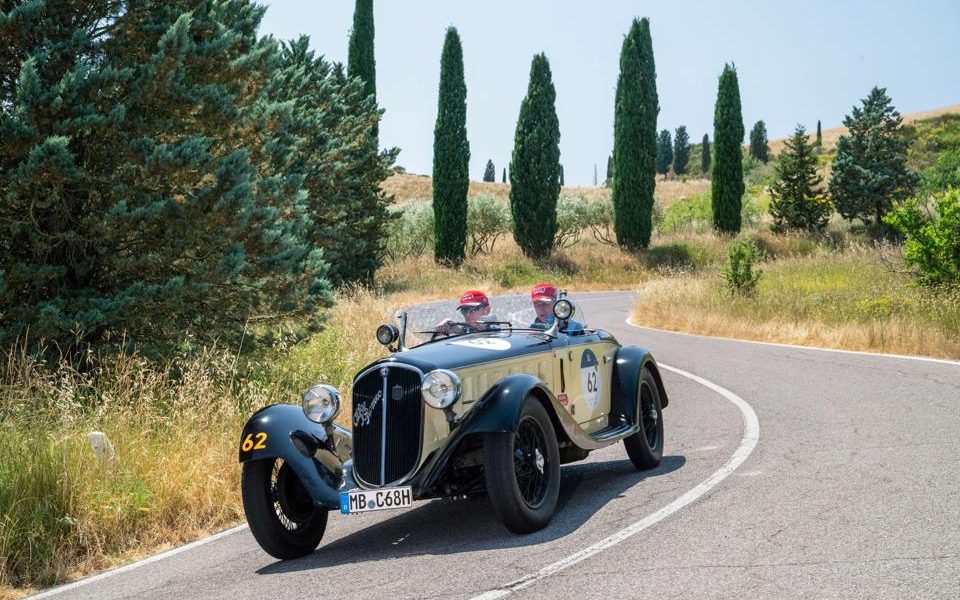
POLICY WIRE — Osnabrück, Germany — You know, sometimes you just need a really shiny object to distract everyone. And what’s shinier than 42 impeccably preserved, astronomically valued automobiles rolling across manicured German lawns in 2026? The Concours of Elegance, slated for Germany, isn’t just another car show. No, it’s something more. It feels like a meticulously orchestrated soft-power flex, a shimmering counter-narrative against a backdrop of European economic jitters and a fractious global order. Who needs geopolitical complexities when you can marvel at a Bugatti Royale?
It’s almost quaint, really, this unabashed display of wealth and heritage, tucked neatly into the narrative of modern Germany. While Berlin grapples with its stance on Beijing’s charm offensives and navigates a simmering continental discontent, the country’s high-culture arbiters are busy preparing for an event that will, for a few days at least, command the gaze of the world’s elite. Forty-two cars. That’s the magic number. Forty-two meticulously selected specimens, each one a rolling sculpture, a piece of industrial art from an era—or even this one—where craftsmanship hadn’t entirely succumbed to mass production algorithms. We’re talking cars that aren’t merely transport; they’re bona fide investment vehicles, — and often, national treasures.
But consider the timing. In a period marked by persistent inflation, supply chain headaches, and the uneasy hum of regional conflicts, Germany’s announcement feels… deliberate. It’s a statement, whether consciously intended or not, that some corners of the world, specifically those where hyper-wealth congregates, remain serenely undisturbed. And, importantly, that Germany continues to be a sophisticated stage for such unapologetic opulence. It’s an economy, after all, isn’t it?
“This isn’t just about classic automobiles; it’s about showcasing German engineering, our cultural dedication to excellence, and our ability to host events that attract global attention and investment,” explained Dr. Klaus Richter, Germany’s Deputy Minister for Economic Affairs, in a prepared statement. He spoke with the measured cadence of someone aware of both the industrial output graphs and the subtle messaging such events convey. “We invite the world not just to admire, but to engage, to recognize the enduring value of precision and legacy.” An unspoken corollary, perhaps, being: ‘Don’t worry about the small stuff; our foundational strengths are still very much intact.’
And you’d better believe the engagement will be significant. The global classic car market isn’t some niche hobby; it’s a booming segment, a safe haven asset class for the ultra-rich. Consider that the classic car market is projected to reach approximately $43 billion by 2026, according to analysis by Technavio. These aren’t depreciating assets; they’re tangible investments, often outperforming traditional markets—which, for the truly wealthy, makes them immensely attractive in volatile times. Buyers, sometimes discreetly, sometimes very publicly, hail from every corner of the planet.
📄 POLICY WIRE WHITEPAPER PUBLISHED: PAKISTAN'S NATIONAL SECURITY POLICY PRIORITIES
👉 READ BY CLICKING HEREBecause that’s where the money often resides, doesn’t it? From the burgeoning urban centers of South Asia to the oil-rich Gulf states, there’s a discernible uptick in demand for these historical machines. We’ve seen an exponential rise in collectors, many with recently acquired wealth, looking to anchor their portfolios in something exquisitely tangible. They don’t just buy status; they buy a piece of history, often imported through elaborate channels, displayed in private museums, or, indeed, paraded on world stages like Osnabrück. And Germany knows this. It actively cultivates these relationships, offering a kind of neutral, esteemed territory for these transactions and spectacles. It’s commerce, art, — and soft power all rolled into one chrome-plated package.
“The allure of these machines transcends nationality. For many, particularly from emerging affluent markets, they represent the zenith of luxury and design, a dream realized,” noted Anya Singh, a London-based consultant specializing in luxury asset acquisitions for clients in the Middle East and Pakistan. “We see strong interest, an eagerness not just to own, but to participate in the heritage these Concours events offer. It’s about being part of a very exclusive, globally recognized club.” It’s a compelling point, connecting the historic European spectacle to broader geopolitical and economic currents, one often overlooked by Western observers fixated on their own local concerns.
What This Means
This upcoming Concours isn’t just about beautiful cars; it’s a carefully curated international relations event masquerading as a luxury gathering. For Germany, hosting such an event reinforces its image as a stable, culturally rich, and industrially potent nation, a kind of reliable anchor in an unpredictable world. It’s an advertisement for German efficiency, for its tourism, and for its continued relevance in the global luxury goods economy, an implicit assurance that despite global headwinds, prosperity — at least for some — is still very much on the menu. The choice of Osnabrück, steeped in European history and culture, further enhances this narrative, providing a picturesque, almost idyllic setting that intentionally contrasts with the messy realities elsewhere. It’s a bid for prestige, yes, but also a strategic economic play to keep affluent capital flowing through its borders and into its cultural landscape. These aren’t merely cars; they’re symbols, broadcast loud and clear, carrying an intricate message about resilience, legacy, and perhaps, a touch of defiant extravagance.