


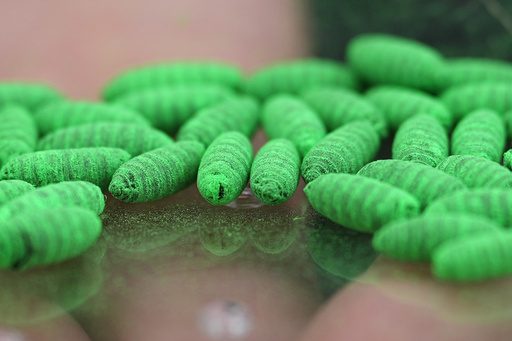
The Drone Wars of a Deeper Pestilence: Washington’s Fly Factory Gamble
POLICY WIRE — Washington D.C., USA — It sounds like science fiction. Or maybe, more accurately, an obscure Cold War-era biological defense initiative. But no, the United States is currently battling...

POLICY WIRE — Washington D.C., USA — It sounds like science fiction. Or maybe, more accurately, an obscure Cold War-era biological defense initiative. But no, the United States is currently battling a resurgent parasitic threat not with bombs or cyber warfare, but with meticulously bred, genetically altered sterile flies. And they’re spending big — hundreds of millions, in fact, on factories dedicated to producing these entomological soldiers. This isn’t just about protecting Fido, though Fluffy’s well-being is certainly part of the PR push. It’s about the very real, if often unseen, battle waged against a voracious insect that could — and frankly, does — unravel significant agricultural profits.
Two new infestations recently popped up, vexing Texas — and New Mexico pet owners, putting everyone on high alert. That’s because the larvae of the New World screwworm fly, those charming little creatures, aren’t just content to eat dead tissue like their more conventional maggot cousins. Nope, they’ve got a preference for live flesh — and fluids. It’s a grisly feast that turns common scrapes and surgical incisions into rapidly spreading, agonizing wounds, sometimes causing death by shock or lethal infection.
It’s not just a yelp-factor issue. Because, really, this fly poses an existential threat to livestock, specifically the $113 billion U.S. cattle industry (USDA estimates). We’re talking widespread economic disruption, folks. This pest made a comeback in U.S. cattle in June, after what everyone thought was a successful eradication program some 50 years back. Talk about unfinished business. Its leisurely stroll north from Panama in 2024, then through Mexico the next year, just ratchets up the pressure. It’s not picky, either. The larvae will hatch — and breed in pretty much any mammal – wild animals, dogs, cats, even humans sometimes. Nasty business, all told.
When a female fly decides an open wound or mucous membrane looks like prime real estate, she lays her eggs. They hatch. Then those larvae gorge for about a week, drop to the ground, — and grow up to be adult flies. The American Veterinary Medical Association is quick to point out the especially vulnerable among us: newborns and any animal that’s got open wounds, just had surgery, or undergone some other medical procedure recently. Even a tick bite, humble as it seems, [QUOTE_PLACEHOLDER] could host an infestation, according to Aaron Grady, who heads up the Houston Humane Society shelter, speaking during a webinar.
So what’s a worried pet parent to do? Check your animals constantly, say the experts in areas where these critters have shown up—southern and southwestern Texas, and southeastern New Mexico, for now. Look for maggots. Any movement in a wound. And look for general distress, too: restlessness, anxiety, that distinctive foul smell. Or an animal “hyper-fixating on looking or chewing in a certain area of the body,” as veterinarian Melissa Stansell of Austin Pets Alive! put it. If you see any of those, don’t wait. Get to a vet. The animal’s likely in serious pain. But treatments exist, and Stansell confirmed: [QUOTE_PLACEHOLDER] They’re even using prescription flea and tick medications. “It will kill the larvae as they ingest the blood and tissue,” she explained. “The chemical compositions of those products are what kill the actual larval stages of these flies.”
📄 POLICY WIRE WHITEPAPER PUBLISHED: PAKISTAN'S NATIONAL SECURITY POLICY PRIORITIES
👉 READ BY CLICKING HEREBut the big guns? That’s where the sterile flies come in. This tropical species used to conveniently vanish when the weather turned cold. Not anymore, it seems. State — and federal agriculture officials aren’t gambling on Mother Nature. The old-school strategy involves mass-breeding male flies, sterilizing them, — and then releasing them en masse. A female only mates once in her life (which can be a month long). So if she hooks up with a sterile partner, her eggs won’t hatch. Population nosedives. The last factory in the Western Hemisphere doing this for years was down in Panama. But the USDA? They coughed up $21 million to convert a facility in Mexico that used to breed fruit flies, and it’s now churning out screwworm flies. They’ve also earmarked a hefty $750 million for a brand-new fly factory right there in Texas, expected to open next year. It’s an arms race of the weirdest order.
And while the focus remains firmly on America’s ranches — and pets, the broader implications don’t stop at the border. This kind of biosecurity threat—insect-borne, agriculturally destructive—isn’t unique to the US. Developing nations, particularly those with vast agricultural sectors and tropical climates like Pakistan or other countries across South Asia, often grapple with persistent pest challenges requiring constant vigilance and robust (often underfunded) scientific intervention. Global warming, by extending suitable habitats, only magnifies this problem, potentially pushing once-local pests into entirely new territories. It’s a reminder that even the most advanced economies aren’t immune to the simplest of biological adversaries. As policy makers deal with other looming fiscal cliffs like America’s Sticker Shock: Healthcare Costs Threaten a 2027 Crunch, Leaving Families Strapped, managing agricultural threats silently drains resources too.
What This Means
This whole situation isn’t just a quirky news item about bothersome bugs; it’s a stark policy-level headache. First, it’s a critical lesson in complacency. Thinking a pest is gone for good, then scaling back surveillance — and eradication efforts? That’s an open invitation for a costly return. It’s not just biological, it’s bureaucratic — a failure to maintain long-term, dull-but-necessary programs that aren’t flashy until things go sideways. But this fight against a literally flesh-eating parasite demands significant public funding, pulling from taxpayer pockets for something few understand beyond the veterinarian’s office. We’re talking about massive investments in facilities that produce sterile flies, which represents a highly specific, yet strategically critical, form of national defense. Think of it as bio-defense for the ranching industry.
And it signals how increasingly interconnected our agricultural security is with our neighbors, particularly Mexico and Central America. The fly’s journey north emphasizes the porosity of borders for biological threats. Effective control can’t be purely national; it has to be regional, involving substantial international cooperation and funding, especially given the costs involved. Because the political economy of preventing these outbreaks? It’s far cheaper than managing a full-blown infestation that decimates livelihoods and potentially impacts global food supply chains. For all the talk of national security, sometimes the gravest threats arrive on six legs, buzzing just under the radar.
📖 GET YOUR FREE COPY NOW OF POLICY WIRE DIGITAL MAGAZINE JULY 2026 EDITION
👉 READ & DOWNLOAD FREE MAGAZINE