


Gridiron Philanthropy: Texas Star Turns Personal Battle into Public Crusade for Child Health
POLICY WIRE — Austin, Texas — The gladiators of modern collegiate sport, often viewed through a prism of endorsement deals and gridiron glory, occasionally offer a glimpse into a less celebrated,...

POLICY WIRE — Austin, Texas — The gladiators of modern collegiate sport, often viewed through a prism of endorsement deals and gridiron glory, occasionally offer a glimpse into a less celebrated, more vulnerable reality. Forget the crushing tackles or the roar of the crowd for a moment; one young man’s personal history with a heart condition, tucked behind a formidable offensive line stance, is now reshaping conversations far beyond the stadium—into the grim economics of public health and philanthropy.
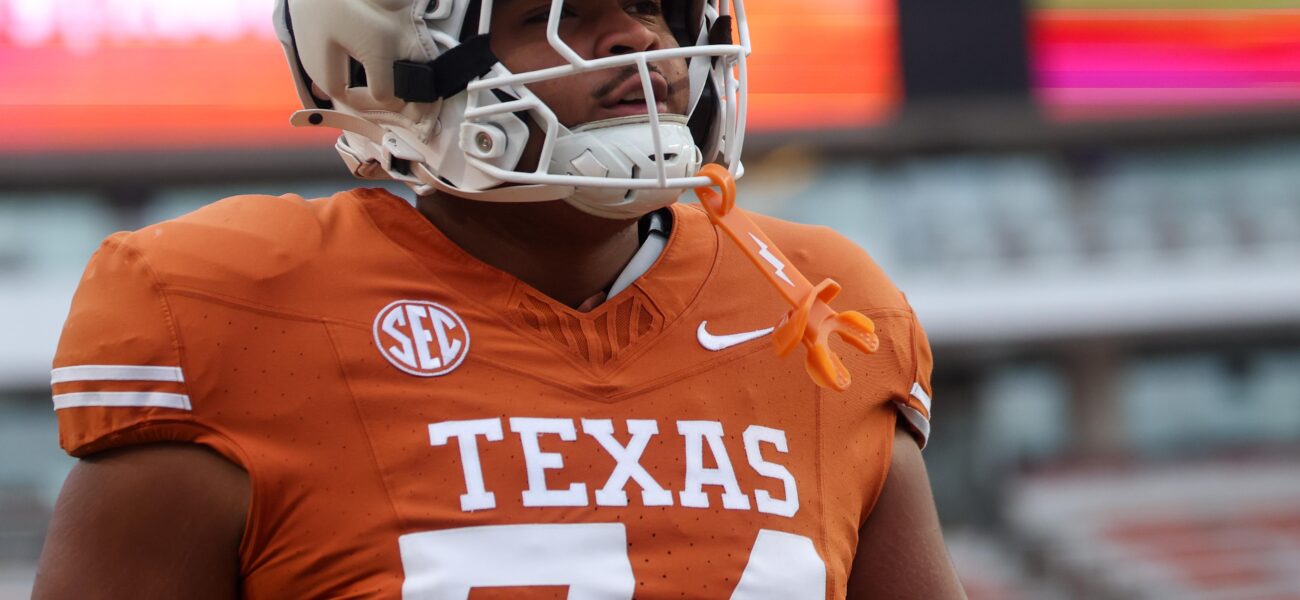
Trevor Goosby, an offensive lineman for the Texas Longhorns, isn’t just practicing drills; he’s quietly spearheading efforts to raise capital for research into childhood heart disease. It’s not a narrative born of some feel-good PR initiative, but rather a direct consequence of his own arduous path. You see, this hulking figure, accustomed to defending quarterbacks, once endured an even more daunting defense: Atrial Septal Defect, or ASD.
The condition itself is a congenital heart defect, one that causes too much blood to flow through the lungs, bringing with it a cruel litany of symptoms—fatigue, shortness of breath, a capricious heartbeat. Goosby, who now embodies raw strength, underwent open heart surgery when he was just sixteen. And people tend to forget that beneath the uniform, these young men are, well, just young men—sometimes bearing invisible scars.
His story, first highlighted by 247Sports, underscores an interesting dynamic: the reluctant influencer. He’s not one to broadcast his struggles, preferring action to soliloquy. “It just means everything,” Goosby is reported to have said. He continued, explaining his modesty, “Just because of, I guess I would say, how successful I’ve been — I’m a humble guy, so I don’t like to talk about it too much. But, just being able to use my platform for good and use my platform to bring awareness to things like this, stuff that isn’t talked about as much.” A candid observation from an individual acutely aware of his unique position.
This isn’t about mere athletic prowess anymore; it’s about the unexpected leverage an individual can wield. But why should this particular story capture more than a fleeting sports page headline? Because it peels back the veneer of hyper-masculine competition to reveal a pervasive, albeit often overlooked, public health crisis.
Congenital heart defects are, in fact, the most common type of birth defect. The Centers for Disease Control and Prevention (CDC) estimates that approximately 40,000 babies are born with a CHD each year in the United States alone. That’s a staggering figure, representing thousands of families thrown into immediate, high-stakes medical dramas—often with crushing financial implications. Goosby’s effort, therefore, isn’t just personal; it’s a tiny, crucial cog in a much larger, global machine of medical advocacy and funding.
His particular battle isn’t exclusive to American shores, of course. Across South Asia, for instance, in densely populated nations like Pakistan, access to specialized cardiac care for children remains a formidable challenge. Medical infrastructure, funding disparities, and cultural norms often conspire to exacerbate already dire situations, making the prospect of timely intervention or sustained research an uphill climb. What is a publicly recognized medical condition in Texas might still carry immense stigma or be effectively untreatable for many in parts of Lahore or Karachi. Because these are truly global afflictions, regardless of regional prosperity. And without the persistent push of advocates—athletes or otherwise—these issues can fade from public discourse.
But the focus here is Goosby’s platform. He could have chosen to simply enjoy his second chance, revel in his success, — and ignore the echo of his past ailment. He chose not to. And in a world hungry for authentic engagement, that decision speaks volumes.
📄 POLICY WIRE WHITEPAPER PUBLISHED: PAKISTAN'S NATIONAL SECURITY POLICY PRIORITIES
👉 READ BY CLICKING HEREWhat This Means
Goosby’s efforts, while laudable on a human level, also illuminate a more calculated intersection of sports, celebrity, and socio-economic imperatives. In an era where athletes—particularly at the collegiate level—are gaining unprecedented control over their own brands and public narratives through NIL (Name, Image, Likeness) rights, this type of targeted philanthropy becomes more than just goodwill. It’s strategic influence.
His personal story, amplified by the formidable marketing machinery of a major university football program, can generate tangible, policy-relevant outcomes far beyond what a small charity might achieve alone. Think about it: a well-placed article or a viral social media campaign initiated by someone of Goosby’s stature can move donor needles, pressure policymakers for increased healthcare funding, or simply raise public consciousness in ways that a formal lobbying effort sometimes can’t.
it highlights a subtle economic reality. Athletes like Goosby represent significant investments for institutions and, increasingly, for corporate sponsors. Their well-being—physical and otherwise—is tied directly to commercial interests. Thus, when an athlete steps forward to champion a cause like childhood heart disease, they bring with them a considerable, albeit often indirect, economic footprint. This translates into amplified attention for health issues that, absent the spotlight of celebrity, might otherwise struggle for visibility and resources. It’s an interesting feedback loop—athletic triumph becomes a tool for societal benefit. But that benefit, too often, relies on the occasional conscience of an athlete — and not systemic investment. It’s a pragmatic but discomfiting truth.
It’s clear, isn’t it? The roar from the stadium has an odd, often unexpected way of echoing into the hushed clinics where children battle for breath.