

The Last Whistle: When Gaza’s Shared Dream Collided With Cold Steel
POLICY WIRE — Gaza City, Palestinian Territories — The air was thick with expectation, the kind you only find when the world’s most popular spectacle is about to kick off. Neighborhood kids, no...

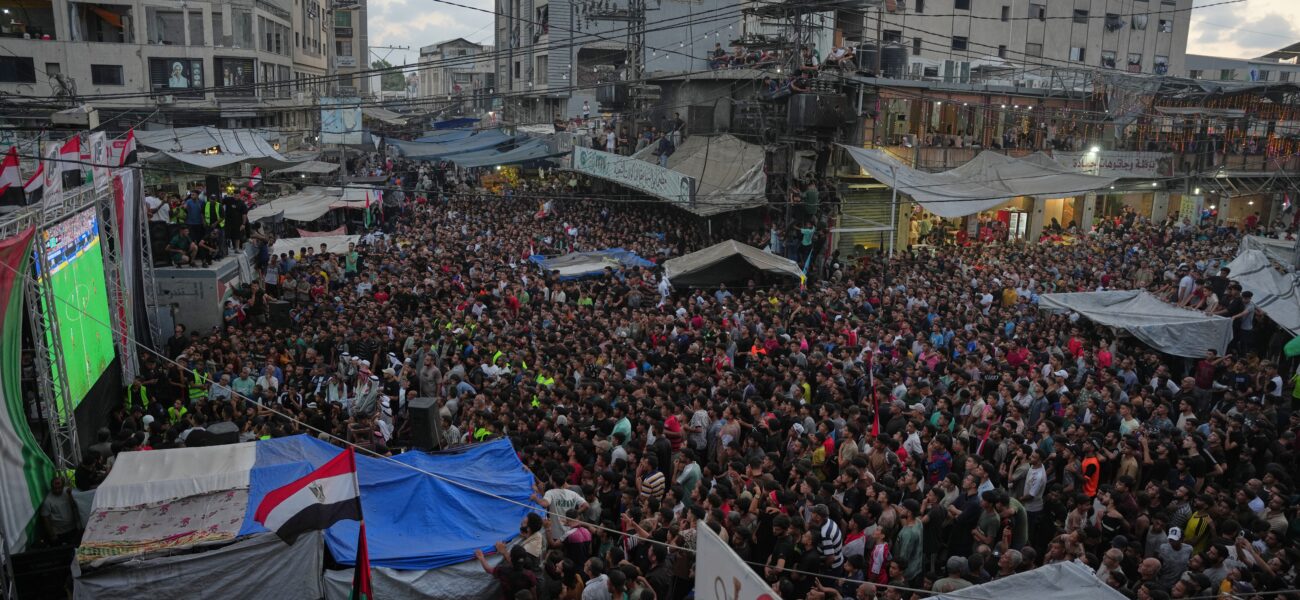
POLICY WIRE — Gaza City, Palestinian Territories — The air was thick with expectation, the kind you only find when the world’s most popular spectacle is about to kick off. Neighborhood kids, no doubt, were buzzing with the thrill of it, probably arguing over who’d score first, who’d miss the penalty. They pictured crowds, united, cheering on their fleeting escape from daily grim reality. A giant screen. Fresh-brewed tea. Shared laughter, maybe even a moment of genuine hope. One man, a local organizer—let’s just call him Mr. Mahmoud for now, because he stood for so many like him—had spent weeks, likely months, pulling the whole thing together. All for the World Cup. It wasn’t just football; it was an act of audacious defiance against despair.
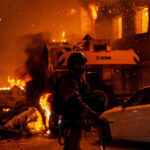
But the whistle never blew. Not for that specific screening, anyway. Because moments before the opening ceremony, an Israeli airstrike slammed into the locale Mr. Mahmoud had prepared. And just like that, the organizer, the man behind the flicker of communal joy, was gone. Just. Gone. You’d think the universe would spare such a small, earnest effort. But it doesn’t. Life, — and death, doesn’t always adhere to a dramatic narrative. It just… happens.
It wasn’t a precision strike on a weapons cache, not according to local accounts. It was a community center, a planned hub of momentary, innocent diversion. “We’re seeing yet another egregious targeting of civilian infrastructure, another casualty of a policy that seems blind to human suffering,” fumed Dr. Mustafa Barghouti, a prominent Palestinian politician, reflecting on the grim reality from Ramallah. “To strike an event meant to bring people together, for even a short while, it’s not just a tactic; it’s an erasure of hope.” It wasn’t a huge story on the global wires, just another flash in the pan of a conflict that feels as old as time. But to those families, to those kids anticipating a brief respite, it was everything.
But then, there’s always another side. The Israel Defense Forces, often swift to respond to international condemnation, framed the event differently. “Our operations are solely directed at known terrorist infrastructures and operatives threatening Israeli security,” asserted Lieutenant Colonel Peter Lerner, an IDF spokesperson. “We act with precision. Any unintended civilian harm is a tragedy, but Hamas deliberately embeds its activities within civilian areas. This forces regrettable outcomes.” The fog of war—it’s thick, confusing, and frequently fatal for those caught in its wisps. What was clear, though, was the unceremonious end of a simple, universal dream: watching the beautiful game together. The tragic irony, it doesn’t escape you, does it?
📄 POLICY WIRE WHITEPAPER PUBLISHED: PAKISTAN'S NATIONAL SECURITY POLICY PRIORITIES
👉 READ BY CLICKING HEREThe incident, minor as it might appear on the geopolitical scale, resonated far beyond the confines of the coastal enclave. News of the strike rippled across the Muslim world, sparking outrage and reigniting conversations about Gaza’s perennial plight. From Jakarta to Istanbul, and certainly in capitals like Islamabad, where Pakistani media routinely highlight the human toll in Palestine, the message was stark: even mundane joy feels like a forbidden luxury. Because for nations like Pakistan, deeply intertwined culturally and religiously with the broader Muslim world, every casualty in Gaza is felt as a direct wound to shared dignity. It’s a testament to the powerful, unifying narratives that cross borders, sometimes fueled more by emotion than by direct strategic alignment. The FIFA World Cup itself, incidentally, drew an astounding 5 billion viewers globally in its previous iteration. That’s billions hoping for an escape, an almost brutal poetry of persistence, while a tiny pocket of the world couldn’t even stage its community gathering.
What This Means
This incident isn’t just about a football screening gone wrong; it’s a microcosm of the grinding, intractable conflict. Politically, it deepens the well of resentment. Every such event, regardless of intention, solidifies the narrative for Palestinians that no aspect of their life, however innocent, is beyond the reach of the conflict. It provides more fodder for international advocacy groups and further complicates Israel’s public relations efforts—not that a war ever wins you many friends on the global stage, especially when it costs more than any high-stakes defender deal.
Economically, for Gaza, it reinforces the desperate, almost hopeless conditions. Investing in communal events, in simple pleasures, becomes a risky proposition, both physically — and psychologically. Who funds a project when its existence is so precarious? The very idea of rebuilding, of sustained economic development, is an intellectual exercise performed mostly by outside NGOs. Locally, it’s about survival. It’s a grim reminder that in places like Gaza, even the universal language of sport can be silenced, not by bad officiating, but by missiles. The global community tuts, maybe issues a statement, then largely moves on to the next crisis. But for Mr. Mahmoud’s family, — and the kids who anticipated that match, the silence will likely linger for quite some time.
📖 GET YOUR FREE COPY NOW OF POLICY WIRE DIGITAL MAGAZINE JULY 2026 EDITION
👉 READ & DOWNLOAD FREE MAGAZINE