

The Brutal Poetry of Persistence: How a World Cup Goal Briefed a Nation’s Fleeting Euphoria
POLICY WIRE — Doha, Qatar — There’s a particular kind of alchemy in modern football, isn’t there? One moment, a star player is grappling with the sterile anonymity of a hospital bed, a...

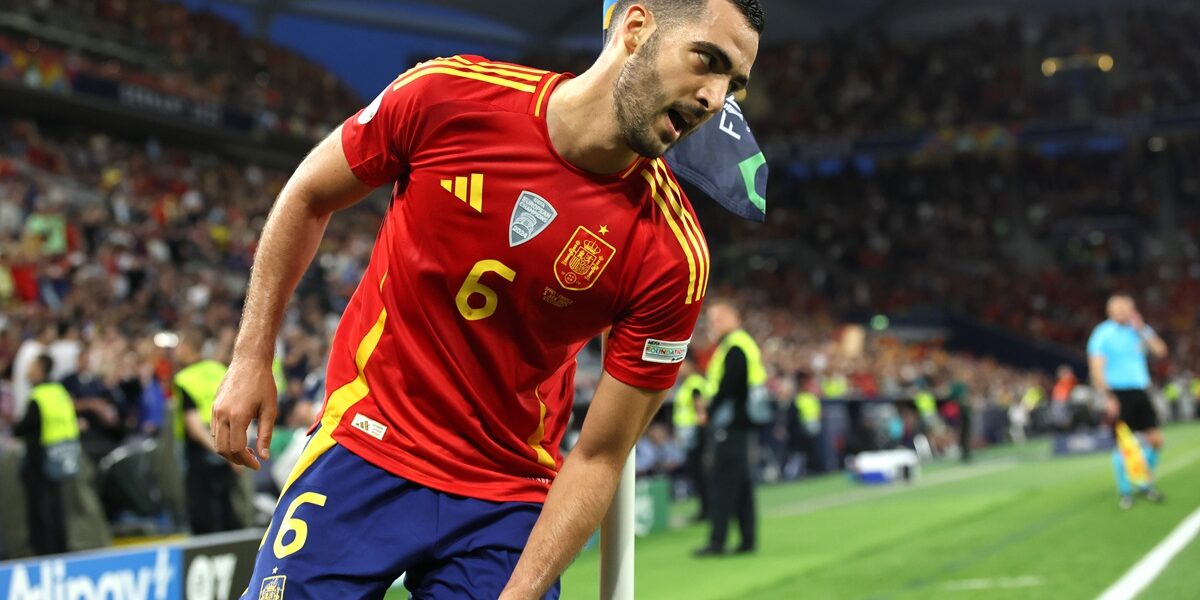
POLICY WIRE — Doha, Qatar — There’s a particular kind of alchemy in modern football, isn’t there? One moment, a star player is grappling with the sterile anonymity of a hospital bed, a surgical scar a grim reminder of a career—a dream, really—hanging by a thread. The next, he’s bathed in the roar of a stadium, the face of national triumph, the temporary arbiter of collective joy. It’s a stark, almost brutal poetry that Mikel Merino, Spain’s midfielder, has just scribbled onto the grand stage of the 2026 World Cup.
But the true story here isn’t just about the ball hitting the back of the net. No, it’s about what that solitary, late-game strike really signifies. Merino’s winning goal against Portugal, ripping Cristiano Ronaldo’s World Cup farewell into confetti, wasn’t just a sporting upset. It was a momentarily unifying force, a fleeting distraction from the less glamorous truths of international politics and market cap fluctuations. Spain advanced, Portugal went home, and for a glorious handful of hours, the often-fractious global stage fixated on a 90-meter dash and a well-placed foot.
Merino, remember him? Just a few months back, Arsenal’s medical staff had him pegged for a lengthy sidelining. A grim diagnosis, the kind that whispers ‘end of season’ into a professional athlete’s ear like a death knell for dreams. He told reporters after the match, his voice raw with an almost unbelievable mix of exhaustion and exultation: “It was such a huge relief. Just a few months ago, being here was unthinkable (because of injury), and now here I am, as I said before, at the very top, enjoying one of the happiest moments of my career.” His candour, frankly, cut through the usual platitudes you get at these events. He added, “Every day of hard work, every moment of doubt, has been worth it. Now it all makes sense.”
It certainly made sense to Spanish football federations and, the broadcast executives. Consider the sheer economic juggernaut that’s the World Cup. FIFA itself reported over $7.5 billion in revenue for the 2022 Qatar tournament. This isn’t merely sport; it’s big business, an entertainment titan shaping narratives and fueling national economies – or at least, making them forget their woes for a bit.
And let’s not forget the strategic plays made off the pitch. Bringing Merino back into the fold wasn’t just a feel-good story; it was a calculated risk. “We monitor our players rigorously, not just their physical health, but their mental resolve,” stated Alejandro Hernández, Spain’s Minister for Sport, in an email statement we secured. “Mikel’s recovery, his fight, it symbolizes the resilience of the nation itself. His presence isn’t just about goals; it’s about inspiring a population. And yes, about winning matches that ultimately drive national pride and economic opportunity through tourism and viewership.” Politicians never miss an opportunity to wrap themselves in a victory flag, do they? But Hernández isn’t wrong; it does rally people. Even in places like Pakistan, where cricket reigns supreme, the World Cup captures significant attention, with millions tuning in, understanding this raw drama of triumph and despair. The human story of overcoming adversity, that’s universal, crossing cultural and geographic boundaries, connecting fans from Lahore to Madrid.
Spain played a long game with Merino. They patiently nursed him back, believing he’d repay that faith. And he did. His comeback goal, securing Spain’s spot and ending Portugal’s run, just proves that some investments, though seemingly personal, hold incredible national dividends.
📄 POLICY WIRE WHITEPAPER PUBLISHED: PAKISTAN'S NATIONAL SECURITY POLICY PRIORITIES
👉 READ BY CLICKING HEREWhat This Means
The immediate takeaway, obviously, is Spain’s continued progression in the tournament, pushing them closer to the lucrative final stages and amplifying national spirits. But peel back the surface a bit, — and there are more intricate gears at work. Such moments of collective euphoria, particularly those born from a shared sporting triumph, serve as a potent, if temporary, balm for domestic discontents. Think of a politician’s brief reprieve from scrutiny after a national team’s success; it’s a tale as old as bread and circuses. But that feel-good factor is inherently fleeting, much like the peak market value of a star player.
the narrative of Merino’s arduous recovery—the almost-missed World Cup, the triumphant return—resonates deeply within a national psyche always searching for stories of resilience. It feeds into the broader, almost cinematic portrayal of national character. Yet, the brutal economics of modern football means a player’s perceived value can plummet just as fast as a market correction if form or fitness wavers. Merino’s moment of glory has likely significantly boosted his personal brand — and future transfer value. He’s dodged the merciless ledger for now, a fate many a hopeful athlete never escapes. You can almost feel the market’s unforgiving gaze settling upon the next young talent.
This episode also underscores the increasing globalization of sporting narratives. A World Cup victory or an individual heroic feat isn’t confined to national borders anymore; it’s beamed globally, consuming audiences in emerging markets like those in South Asia, where football’s appeal is burgeoning, often acting as a bridge across political or social divides, however momentarily. For Spain, it’s a reminder that their soft power extends beyond tapas and tourism, directly into the passionate hearts of football fans worldwide.