

Caracas’ Shakes: The Sullen Aftershocks of a Nation on the Brink
POLICY WIRE — Caracas, Venezuela — The dust, it seems, takes its own sweet time to settle. Weeks after the earth convulsed beneath Venezuela, a tremor that sent masonry and false hopes crashing, the...

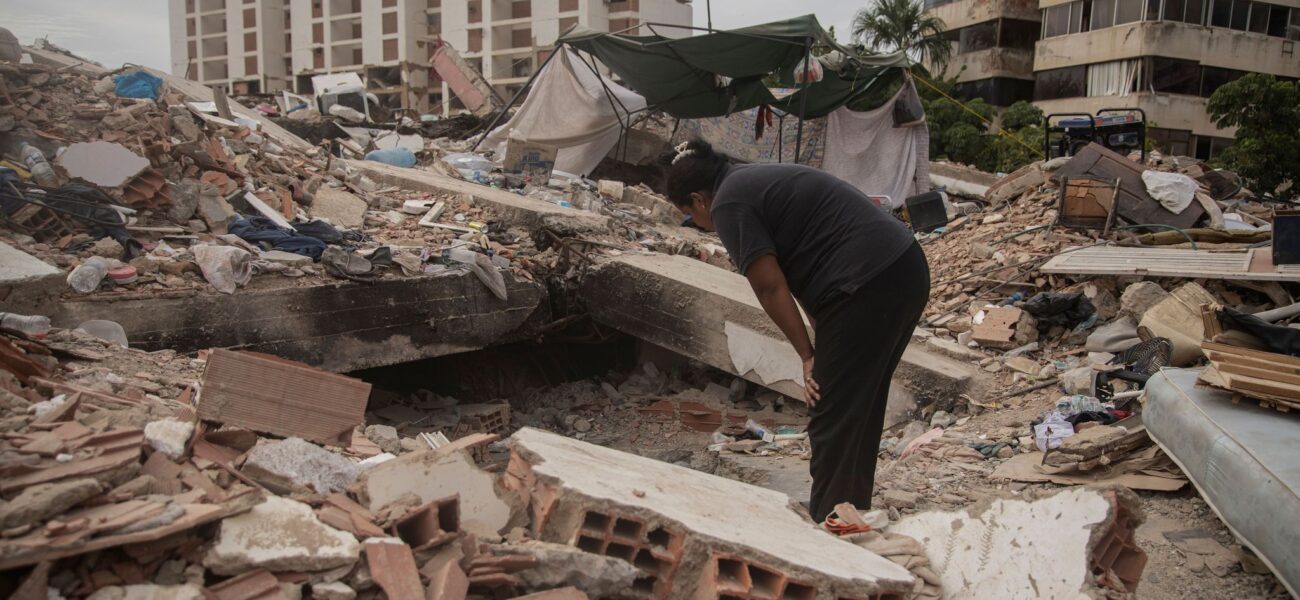
POLICY WIRE — Caracas, Venezuela — The dust, it seems, takes its own sweet time to settle. Weeks after the earth convulsed beneath Venezuela, a tremor that sent masonry and false hopes crashing, the headlines have mostly moved on. But down in the labyrinthine streets and collapsing hillsides of this oil-rich, cash-poor nation, the ground is still shifting—not just seismically, but existentially. Forget the initial frantic calls for international aid; this isn’t about urgent rescue anymore. It’s about a much slower, uglier slide into what many fear is irreversible decay.
Because, really, what’s left to save? The country was already reeling, you know? Years of sanctions, economic mismanagement, and a brain drain that’s pulled away anyone with the gumption or means to leave. Then comes a magnitude 6.9 earthquake (per the U.S. Geological Survey), not catastrophic in a place like California, but a gut-punch here. It shattered an already brittle infrastructure, pulling back the curtain on decades of neglect. We’re not just talking about collapsed apartment blocks—though there are plenty—we’re talking about the complete unravelling of what little social safety net remained.
President Nicolás Maduro, ever the optimist—or perhaps, the grand illusionist—has maintained a public facade of resilience. “We’ve overcome greater trials,” he recently declared from the Miraflores Palace, his voice a balm for state media but a harsh echo in communities sifting through rubble. “Our Bolivarian spirit, our communal councils, they’re the true pillars of this nation. We don’t wait for others to tell us how to rebuild; we rebuild ourselves.” It’s a familiar refrain, one meant to project strength while simultaneously deflecting questions about how, exactly, they plan to do that with hospitals running on fumes and aid workers facing a Byzantine customs process.
But the real story is much grittier. Relief agencies—those that manage to operate here—paint a starker picture. “It’s a deeply fractured situation,” explained Dr. Anya Sharma, who leads a Doctors Without Borders team on the ground. She paused, choosing her words carefully, “The humanitarian infrastructure simply isn’t equipped. We’re seeing chronic malnutrition spike in affected zones; they’re calling it a silent crisis. We need unhindered access, — and we don’t have it. People are starving not because there isn’t food, but because the supply lines are choked, or the systems to distribute it have just evaporated.” She wasn’t wrong. Aid often sits in warehouses, caught in political eddies.
And speaking of complex situations, think about it: the parallels aren’t just regional. Consider Pakistan, a country that routinely grapples with monumental natural disasters—floods, earthquakes—often exacerbating pre-existing economic fragilities. They too navigate the treacherous waters of international assistance, battling donor fatigue and their own internal governance hurdles. The initial media blitz after the Pakistani floods faded quickly, leaving millions to rebuild with scant support, much like the slow-burn catastrophe now unfolding in Venezuela. It’s a cruel, universal truth: once the dramatic rescues stop, the cameras pack up, — and the world largely forgets.
📄 POLICY WIRE WHITEPAPER PUBLISHED: PAKISTAN'S NATIONAL SECURITY POLICY PRIORITIES
👉 READ BY CLICKING HEREOfficial estimates, predictably optimistic, claim only dozens lost their lives directly to the quake, with thousands displaced. Unofficially, whispers among local clergy and community leaders tell a darker tale, especially in the barrios where structures were never meant to withstand a stiff breeze, let alone a geological upheaval. They’ve seen entire families simply vanish, — and those without a paper trail often don’t get counted. What constitutes a ‘crisis’ when daily life itself is a crisis?
International agencies estimate that well over 4.5 million Venezuelans have fled the country in recent years—that’s roughly 15% of the population. Those left behind, particularly in quake-affected areas, are often the most vulnerable. Many of them had nowhere else to go, no relatives abroad sending back crucial remittances. And now? Now they face the daunting task of piecing together a life that was already hanging by a thread.
What This Means
This seismic event, devastating as it’s, really just underscores Venezuela’s deeply ingrained political and economic vulnerabilities. The Maduro government’s persistent narrative of self-sufficiency—and occasional anti-imperialist defiance—makes accepting large-scale, unconditional foreign assistance a tricky diplomatic tightrope walk. They’d rather project an image of control, even if it means sacrificing prompt, efficient relief for those in dire need. Economically, this natural disaster will only deepen the country’s existing recession and inflation spiral, likely requiring greater government spending on recovery just when state revenues from oil are strained by sanctions and global price fluctuations. Don’t forget that the ghost of economic woes haunts many nations, manifesting uniquely but always with pain. Politically, the quake aftermath might serve as a momentary unifier, a common enemy for the populace. But for how long? Such solidarity rarely outlasts the rubble — and scarcity. And the international community? They’ll watch, weigh the geopolitical implications of direct aid, and continue to debate the long-term effectiveness of sanctions against immediate humanitarian needs. It’s a classic Catch-22, trapping the populace in the middle. We’ve seen similar patterns elsewhere, where national euphoria gives way to brutal reality after a brief surge of nationalistic pride.
So, Caracas shakes. And the world watches, mostly. But for the people on the ground, the aftershocks are far more profound, an unending test of endurance against an environment—both natural and political—that seems determined to break them. It’s not over. It’s just getting started.
📖 GET YOUR FREE COPY NOW OF POLICY WIRE DIGITAL MAGAZINE JULY 2026 EDITION
👉 READ & DOWNLOAD FREE MAGAZINE