


The Ghost in the Gulch: A Boeing’s Disappearance and Pakistan’s Ebbing Fortune
POLICY WIRE — Karachi, Pakistan — The vast expanse of the Arabian Sea—a familiar, indifferent backdrop to a nation often adrift—has once again swallowed a story. Not a tale of ancient trade routes or...

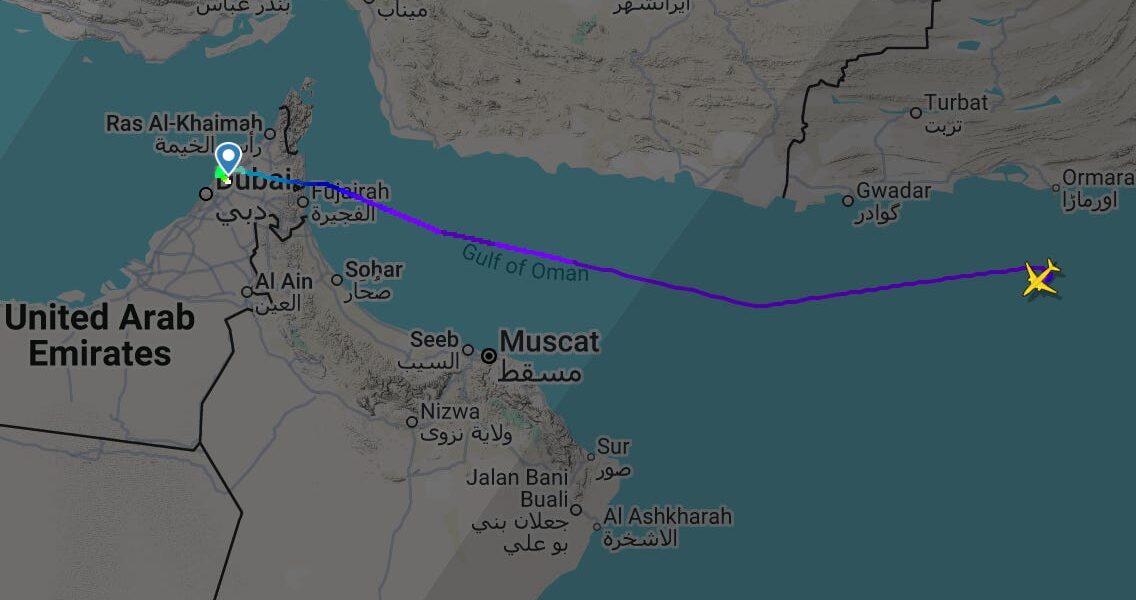
POLICY WIRE — Karachi, Pakistan — The vast expanse of the Arabian Sea—a familiar, indifferent backdrop to a nation often adrift—has once again swallowed a story. Not a tale of ancient trade routes or maritime struggles, but of modern machinery, of steel wings against an unforgiving horizon. A Boeing 737, mid-flight, somewhere off Pakistan’s southern coast, simply… isn’t there anymore. Just like that, the hum of engines gives way to an eerie, aching silence.
It’s a chilling void, isn’t it? One minute, passengers are fretting over delayed luggage or admiring the endless blue. The next, they’re merely statistics, lost to an ocean that doesn’t differentiate between pleasure cruises and a flight carrying human souls. And for Pakistan, a nation already teetering on a precarious tightrope of political instability and economic hardship, this isn’t just a tragedy—it’s another wrench in the fragile gears.
Initial reports from the Civil Aviation Authority (CAA) were—and remain—scarce, delivered with that practiced bureaucratic opacity we’ve all come to expect when things go spectacularly wrong. Officials confirmed contact was lost approximately two hours into the flight. No distress call. No flickering emergency beacon. Just a gaping hole in the tracking data. Search — and rescue operations were, naturally, launched. Naval assets, coastal patrols—they’re all out there, combing the relentless swells for debris, for a signal, for anything that might offer a clue or, God forbid, a morbid answer.
“We’re throwing every resource we’ve got at this,” declared Ahmad Rashid, Director of Flight Operations for the CAA, his voice raspy during a hurried, late-night briefing. “Search efforts are relentless, but the ocean’s a vast, unforgiving place. We won’t stop until we have answers for the families, for the country.” His pronouncement, however well-intentioned, couldn’t quite mask the weariness, the sense of inevitable resignation that permeates such statements.
Because the search, despite official assurances, feels like a Sisyphean task. This isn’t the first time an airliner has vanished with such brutal suddenness. History is littered with such stories, the unseen scourge of technological fallibility lurking just beneath the surface of modern convenience. Boeing, despite its generally sterling safety record—its 737 series has, globally, registered a fatal accident rate of around 0.29 per million flights over its extensive operational history, though specific sub-models vary significantly according to Aviation Safety Network data—isn’t immune to scrutiny. The investigations will be brutal, comprehensive. Was it mechanical? A pilot error? An act of God, as insurers like to term it when no other explanation quite fits?
The incident doesn’t just hit families. It punches the nation’s already bruised international standing right in the gut. Pakistani aviation has faced its share of questions in recent years, remember? A flurry of regulatory scrutiny, questions about licensing, training. It’s not a narrative a country like Pakistan, trying desperately to attract foreign investment and stabilize its image in the Muslim world, needs right now.
“An incident like this, it sends ripples,” noted Dr. Evelyn Reed, an aerospace security analyst with the Geneva Centre for Aviation Studies, speaking remotely from Switzerland. “Not just for the families—that’s always the rawest wound—but for a nation’s image, its safety protocols. It’s a stark reminder of aviation’s inherent risks, — and it demands complete transparency. And for a country with Pakistan’s existing economic vulnerabilities, the ramifications can extend into investor confidence and even geopolitical perceptions of stability.” She isn’t wrong; these things have a way of spiraling.
But beyond the grim statistics — and the bureaucratic pronouncements, there’s the unbearable agony. Families huddled in airport waiting rooms, watching news anchors recite the same sparse facts, hoping against hope. That’s the real story, the one that drowns out the economic forecasts and policy debates—the raw, human cost of something gone terribly, incomprehensibly wrong. And it’s a cost Pakistan knows all too well.
What This Means
The disappearance of a commercial airliner off Pakistan’s coast casts a long, unsettling shadow—not just on aviation safety but across the nation’s entire socio-political fabric. Economically, this incident threatens to erode what little investor confidence Pakistan has managed to scrape together amidst ongoing fiscal challenges and a perpetually fluctuating rupee. Airlines operating in or through Pakistan may face renewed scrutiny, potentially leading to increased insurance premiums or more stringent regulatory demands from international bodies, impacting passenger and cargo traffic. The immediate search and rescue operations also place a strain on national resources, drawing focus and funds from other pressing domestic issues. It’s another drain.
Politically, the government faces immense pressure. They’ve got to manage public grief, navigate an international investigation, and deflect criticism of their oversight—especially if maintenance or regulatory lapses are implicated. The timing is particularly poor, as the current administration is grappling with high inflation — and energy crises. The elusive hand of disorder often finds purchase in such crises, potentially fueling public discontent and further destabilizing an already fragile political environment. This incident, while an unforeseen calamity, will invariably become another marker against the current regime’s ability to maintain order and provide basic security for its citizens.