


Specs Appeal: Boston’s Unlikely Hero and the Shifting Face of Professional Sport
POLICY WIRE — Boston, USA — In the brutal theater of professional athletics, where myth meets muscle, we’ve come to expect a certain physical archetype. The colossus. The speed demon. But...

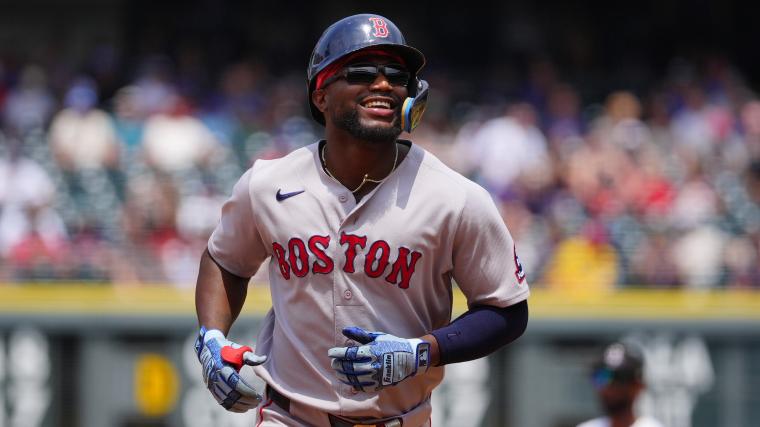
POLICY WIRE — Boston, USA — In the brutal theater of professional athletics, where myth meets muscle, we’ve come to expect a certain physical archetype. The colossus. The speed demon. But sometimes—just sometimes—the narrative swerves. And in Boston, of all places, a city steeped in a sporting tradition that lionizes titans, that swerve arrived, quite literally, with four eyes. This isn’t about some obscure fringe player; it’s about Andruw Monasterio, who, in the unforgiving glare of the floodlights and against the White Sox, demonstrated that an atypical appearance is hardly an impediment to power. His glasses, an anachronism to some, were front and center, shattering preconceived notions of what an MLB slugger ought to look like.
It’s funny, isn’t it? We build these images in our heads—the clean-cut athlete, the chiseled hero—and then reality comes along and, well, wears spectacles. Monasterio isn’t your prototypical hulking presence in the batter’s box, that’s for sure. The Milwaukee Journal-Sentinel wrote of him last season, ‘At 5 foot 11 and 195 pounds he’s no physical marvel, and with his ever-present glasses Monasterio appears more bookish than anything.’ It’s a description that frankly—it’s unusual for the big leagues. And who doesn’t love an underdog story? This isn’t about physical prowess alone; it’s about precise vision, focused execution, and the mental fortitude to stand out. Imagine the whispered assumptions about a player whose primary ‘look’ is studious, not intimidating. [QUOTE_PLACEHOLDER]
But on Tuesday night, those glasses weren’t just an endearing quirk; they were the conduit through which a significant moment materialized. Monasterio, squaring up against Chicago southpaw Noah Schultz, capitalized on the platoon advantage—a fancy term for righty-batter-versus-lefty-pitcher matchup. With a swing that defied his seemingly demure persona, Monasterio turned on a home run deep — and gone to left field. It was an emphatic, undeniable statement. The question of whether the glasses are the right move or not in the long run became moot for a moment. They clearly worked on Tuesday night against the Chicago White Sox.
There’s something universally appealing about someone who defies the mold, who finds their power in an unexpected place. Across cultures, we see similar stories: individuals from often-overlooked communities making disproportionate impacts. Take the burgeoning tech sector in a place like Pakistan, for instance. Often pigeonholed by geopolitical narratives, the nation produces software engineers and digital innovators who, much like Monasterio, might not fit conventional Western templates of success. They’re making significant, though sometimes unheralded, contributions to the global digital economy, challenging preconceived notions, much as a bespectacled ballplayer challenges ours. It’s about looking beyond the superficial—the eyewear, the origin story—to the tangible output. Monasterio’s ‘bookish’ appearance isn’t some detriment; it’s simply a descriptor that informs a larger, richer narrative.
This isn’t about a solitary event, you know. Monasterio, whose name is spelled the same as the legendary Andruw Jones, doesn’t play every day. He gets chances like these against lefties. And if he keeps doing this, he’ll keep getting starts. He’s a versatile guy who can play all over the diamond. This versatility, combined with specialized skills, is an increasingly valuable commodity in all competitive arenas, not just baseball. A 2023 industry analysis from Sports Business Journal indicates that while less than 2% of professional athletes in top North American leagues regularly wear prescription eyewear during play, those who do often specialize in roles requiring exceptional visual acuity or situational awareness.
And for the Red Sox faithful—a notoriously passionate and demanding bunch—a player like Monasterio becomes particularly endearing. They aren’t just cheering for a home run; they’re cheering for a narrative that feels fresh, distinct. He’s doing something right. He’s carving out his niche, proving that talent wears many faces, and sometimes, those faces come with a distinct accessory. That sort of unique identity can foster fierce loyalty, much like certain regional sports teams command deep-seated allegiances from their diasporas, say, in parts of the Muslim world. It’s a connection rooted in shared identity — and a defiance of expectation, isn’t it?
What This Means
Monasterio’s rise, however modest in the grand scheme of an MLB season, carries implications beyond the diamond. Politically, it’s a tiny, subtle reinforcement of diversity in appearance and non-conformity to established norms, even within the highly curated world of professional sports. It’s a quiet challenge to the idealized image of the athlete, reflecting broader societal shifts where individual identities are increasingly celebrated over homogeneous archetypes. For policy makers or cultural observers, it’s a testament to the persistent power of individual agency and skill to overcome superficial biases. Economically, Monasterio’s unexpected appeal could hint at niche marketability for brands aiming for authenticity or a more relatable public face, especially in an era of waning traditional celebrity endorsement appeal. An athlete who looks more like your neighbor than a Greek god offers a different, perhaps more durable, kind of resonance. It subtly suggests that even within highly structured, high-stakes industries, opportunities exist—and thrive—for those who don’t fit the established template, creating new avenues for value creation and, yes, human connection.
This little story from Boston might seem far removed from the geopolitical maneuvering in Delhi or the economic strategies of Asian powers. But it’s not. It’s about how individuals, through their unique qualities, can create impact, generate conversation, and—most importantly—challenge the way we think about success and appearance, regardless of where they happen to play, or which policies they influence.