


Ute Lake’s Dark Current: Holiday Celebrations Eclipsed by Double Tragedy in New Mexico
POLICY WIRE — LOGAN, N.M. — The scent of distant barbecue smoke, the percussive pop of amateur fireworks, the low hum of family chatter—these were the sensory hallmarks of America’s most boisterous...

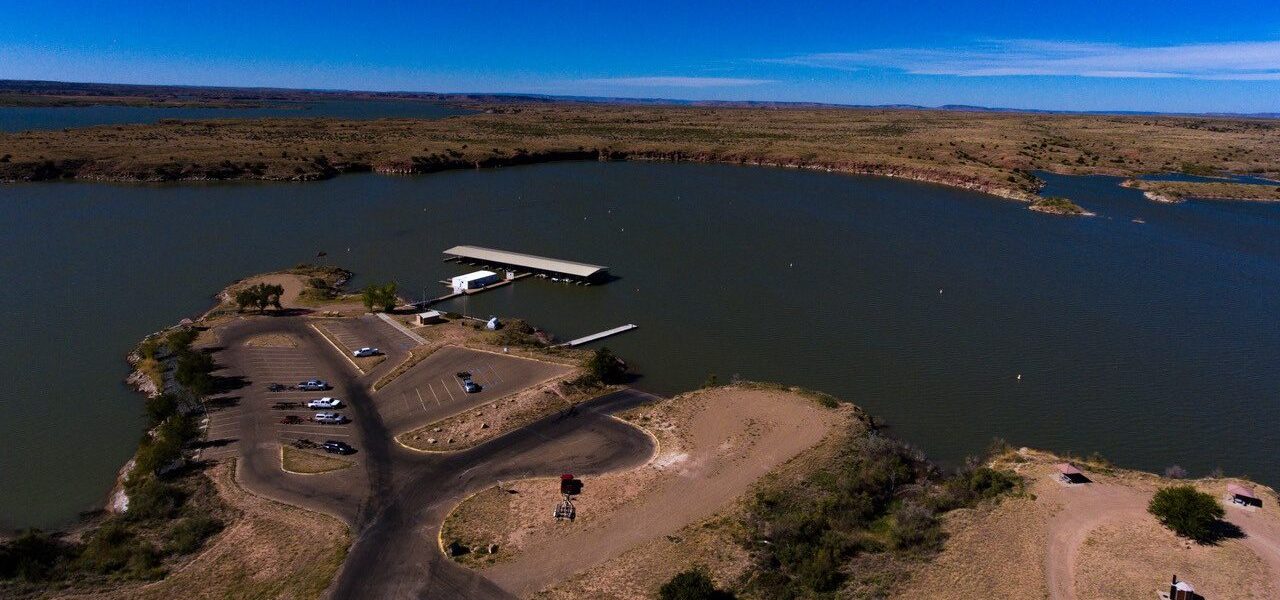
POLICY WIRE — LOGAN, N.M. — The scent of distant barbecue smoke, the percussive pop of amateur fireworks, the low hum of family chatter—these were the sensory hallmarks of America’s most boisterous holiday across much of New Mexico. But on the eastern edge of the state, nestled amidst the dusty plains of Quay County, Ute Lake offered a starkly different tableau for some. What began as an escape, a quintessential Fourth of July weekend of sun and water, devolved into a desperate search, then recovery, then another frantic search. A two-pronged tragedy that pricks the balloon of patriotic revelry.
It’s not just the suddenness, the terrifying quiet of a body submerging without fanfare, but the shattering of expectations that makes these incidents so profoundly jarring. Two separate incidents, mere hours apart, over what’s supposed to be a jubilant national observance—a somber statistic for a state already grappling with resource constraints. And New Mexico State Police, predictably, found themselves chasing ghosts across the water. A man vanished Sunday evening after entering the lake; the next day, another fell from a boat, his body later pulled from the murky depths. Still, they kept looking for the first. Just brutal.
Captain Eliseo Garcia, a New Mexico State Police veteran whose weathered face tells stories that go unprinted, spoke with a weariness born of experience. “Every summer, it’s the same old tune,” he remarked, his voice raspy. “Folks get out here, they’re feeling free—sometimes a little too free—and they forget the water doesn’t negotiate. We do everything we can to promote safety, put up signs, run patrols, but you can’t micromanage everyone’s decisions. It’s heart-wrenching, truly.” You don’t get through two decades on the force without seeing the raw edges of humanity, good and bad. Garcia’s seen ’em all.
But the incidents at Ute Lake aren’t isolated anomalies. They’re a persistent echo in America’s recreational waters. Drowning is, regrettably, an enduring hazard. In 2021 alone, the Centers for Disease Control and Prevention (CDC) recorded an average of 11 drowning deaths per day in the United States, excluding boating-related incidents. That’s a cold, hard fact—a persistent toll beneath the surface of holiday cheer.
Quay County Commissioner Ben Reynolds, whose district includes the popular lake, didn’t pull punches when discussing the local impact. “Our entire economy here, it shifts with the seasons. Summer brings the tourists, brings the business, brings the lifeblood for our small towns. When something like this happens, it just—it poisons the well, doesn’t it?” He added, a sigh audible over the phone line, “We want people to come, we want them to enjoy it. But it’s gotta be safe. We invest what we can in rescue teams, in outreach. But you can’t put a lifeguard on every square foot of water.” He’s got a point. You can’t. Yet the expectation is there, all the same.
The tragedy here at Ute Lake offers a localized microcosm of a far broader issue that extends well beyond New Mexico’s borders. For instance, the very human desire to seek respite by the water, especially in arid climates, isn’t unique to the American West. Consider communities along the Indus River in Pakistan or scattered throughout the dry plains of Sindh. Their local economies, like Quay County’s, often become dependent on these sometimes-treacherous water bodies. Recreational safety, or the glaring lack thereof, remains a critical challenge. In regions with fewer resources, less robust public safety infrastructure, or diverse populations (like New Mexico’s own significant Hispanic and Indigenous communities, whose recreational habits and water safety awareness might differ from the generalized norms), these events highlight disparities in preparedness and education. These aren’t merely unfortunate accidents; they’re often symptomatic of deeper systemic strains.
📄 POLICY WIRE WHITEPAPER PUBLISHED: PAKISTAN'S NATIONAL SECURITY POLICY PRIORITIES
👉 READ BY CLICKING HEREBecause ultimately, when we strip away the banners and the booming pyrotechnics, a Fourth of July spent by the water represents a collective yearning for simple pleasure, for freedom, even. The stark contrast between this ideal and the grim reality of two bodies lost becomes an unintended, devastating critique. And it’s a critique that plays out yearly, across countless lakes — and rivers. Perhaps it’s time to stop simply counting the tragedies and start questioning the assumptions—and deficiencies—that enable them. Sometimes, what we don’t say about public safety speaks loudest of all.
What This Means
These two potential drownings at Ute Lake won’t just register as line items in an incident report; they carry real political and economic implications. For Quay County, a region heavily reliant on tourism, such events inevitably prompt a short-term hit to visitor perception, possibly impacting local businesses already teetering on the edge. Longer term, they may accelerate calls for increased state funding for water patrol, public safety education, and even advanced warning systems at recreational areas. Legislators, wary of constituent backlash or negative publicity, will feel pressure to “do something.”
But practical solutions aren’t always easy. New Mexico’s infrastructural nerves are often frayed, stretched thin across its vast, diverse landscapes. Bolstering safety measures—whether it’s adding more trained personnel, improved signage, or mandatory life vest rules in certain areas—requires political will and, more importantly, consistent funding in a state where budget priorities are fiercely contested. It also feeds into a broader national conversation about personal responsibility versus public guardianship, a debate that has simmered for generations. The cost of prevention is often viewed as an expense until tragedy strikes. Only then does it become an investment, belatedly recognized. It’s a cyclical, depressing equation, played out every time another family’s holiday ends in despair.