

World Cup’s Raging Vortex: Old Guards Stumble, New Powers Flex on a Global Stage
POLICY WIRE — New York/New Jersey — Forget what you thought you knew about the beautiful game. The 2026 FIFA World Cup, rattling through its North American host cities, isn’t just a sporting...

POLICY WIRE — New York/New Jersey — Forget what you thought you knew about the beautiful game. The 2026 FIFA World Cup, rattling through its North American host cities, isn’t just a sporting event anymore; it’s a blaring siren call of a shifting global order. Europe’s supposed footballing supremacy, once etched in granite, now looks more like a crumbling façade, while nations typically seen as contenders — or even outright favorites — are getting a very public reality check. We’re well into the Round of 16, and the bracket looks less like a coronation of the usual suspects and more like a fever dream of upset artists and unexpected challengers.
It isn’t merely about the goals, you see, or the saves, or even the egregious dives. It’s about national narratives played out on the turf, the raw politics of soft power in 90-minute increments. The tournament’s initial stages have delivered seismic shocks, disorienting established powerhouses and throwing a stark spotlight on the ambitions of rising football nations. Brazil’s early exit, stunned by Norway, isn’t just a disappointment; it’s an indictment, perhaps, of overconfidence in their legendary prowess. And then there’s the United States, host nation with soaring expectations, collapsing against Belgium— a result that, for some analysts, felt less like an own-goal on the field and more akin to an off-pitch policy gaffe. Because, let’s be honest, few expected their journey to be so abruptly truncated on home soil. Policy makers — and football federations alike are, no doubt, asking tough questions this morning.
The knockout rounds have unfurled a brutal tapestry of triumph — and tears:
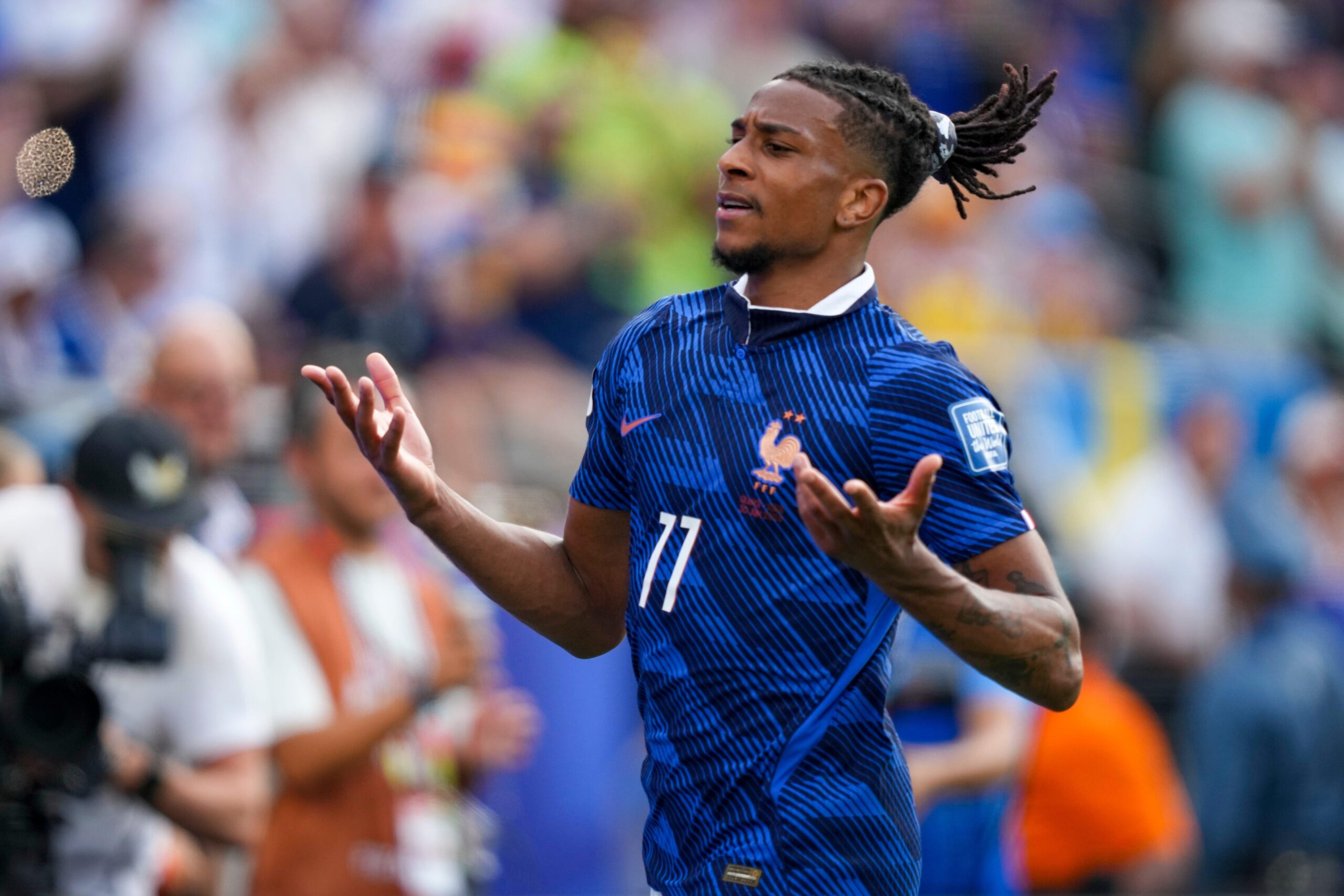
- France vs. Paraguay: Kylian Mbappé’s lone penalty salvaged France’s pride against a feisty Paraguay, preventing what would have been an utter catastrophe for Les Bleus.
- Morocco vs. Canada: Morocco’s emphatic 3-0 demolition of another host, Canada (whose ‘historic’ defense tab likely didn’t include provisions for footballing humility), showcased a North African dynamism that has taken the world by storm.
- Spain vs. Portugal: The Iberian Derby saw Spain emerge victorious after a tight 1-0 contest, pushing one perennial contender toward the quarter-finals and sending another packing.
- Belgium vs. United States: The USMNT’s promising campaign evaporated against a resolute Belgium, marking a rather quiet departure for the host nation.
- Norway vs. Brazil: Erling Haaland, as advertised, made all the difference, sending five-time champions Brazil home after a hard-fought 2-1 victory.
- Mexico vs. England: El Tri, fueled by a raucous home crowd, edged past England 2-1, delivering another blow to European dominance. The Three Lions will be wondering what went wrong again.
- Argentina vs. Egypt: Lionel Messi and his Argentinian squad advanced, setting up a thrilling clash with an Egyptian side that has defied expectations.
- Switzerland vs. Colombia: Switzerland squared off against a determined Colombian side, securing their spot after a tactical tussle.
“We’ve invested billions in infrastructure and youth programs over the last decade,” mused French Sports Minister Camille Dubois, her voice echoing in a post-match press conference, likely still relieved after the narrow escape against Paraguay. “What we’re seeing now is the fruition of that global effort. It’s no longer just about Europe or South America; football is truly borderless, and the talent pool, frankly, has deepened profoundly.”
Indeed. This tournament serves as a powerful showcase for nations outside the traditional elite, particularly those in the Global South. Morocco and Egypt, two strong contenders from the Muslim world, have carved their paths to the Round of 16 with compelling performances. For observers across South Asia, from the teeming streets of Karachi to the villages of Bangladesh, their successes resonate deeply. In a region where cricket often overshadows other sports, the World Cup captures an immense viewership — nearly 3.57 billion people tuned into the last World Cup in Qatar, according to FIFA. These are not just matches; they’re symbols of ambition — and national pride. Their wins provide a powerful rallying point, demonstrating that hard work and strategic investment can break through even the most entrenched sporting hierarchies.
“These results, especially from our brothers in North Africa, they’re more than just football; they represent a narrative of resilience, a narrative of excellence from parts of the world often overlooked in the sporting sphere,” stated a beaming Pakistani Ambassador to the U.S., Omar Hassan, addressing a small gathering after Egypt’s victory. “It reminds us that talent flourishes everywhere, — and given the platform, any nation can rise.”
What This Means
The geopolitical implications of a World Cup extending beyond its historical power centers are substantial. When footballing hegemonies crumble, it isn’t just sports statistics that change; it’s perceptions, investor confidence, and even tourism. Nations that advance, even without hoisting the trophy, gain invaluable soft power currency. Their flags fly higher, their culture gets a spotlight, and their economic ties strengthen through newfound recognition. But the flip side? For those with massive domestic investment and high expectations — say, an American team exiting early despite a massive budget — it signals questions not just for the sports administrators but possibly for national pride, even policy efficacy. The tournament reflects broader shifts, too; the ascendancy of non-traditional economic players, and a willingness for some nations to invest heavily in sports as a diplomatic tool. It’s a very public examination of who’s truly ‘punching above their weight’ on the global stage, and who, perhaps, is simply handing opponents a quarter-final place on a silver platter through a mixture of bad luck or poor preparation.
As the Quarter-Finals loom, expect further tremors. We’re likely to see France face Morocco, — and Spain square off against Belgium. On the other side, Norway will lock horns with Mexico, while Argentina clashes with Egypt. And then there’s Switzerland versus Colombia to round it all out. These matchups aren’t just games; they’re high-stakes dramas with far-reaching consequences beyond the final whistle. The World Cup, after all, has always been more than just football. It’s a microcosm of the world itself, isn’t it? And right now, that world is changing faster than you can say “extra time.”