


Albuquerque’s Disco Doggy Dilemma: A Glittering Facade for a Nagging Crisis?
POLICY WIRE — Albuquerque, N.M. — While city coffers perpetually grapple with the usual urban headaches—infrastructure, public safety, a rather intense ongoing culinary skirmish over chile—a quiet,...

POLICY WIRE — Albuquerque, N.M. — While city coffers perpetually grapple with the usual urban headaches—infrastructure, public safety, a rather intense ongoing culinary skirmish over chile—a quiet, yet equally relentless battle wages on a different front: the relentless tide of homeless pets. It’s a conflict often shunted to the periphery of public discourse, but one that daily strains the limits of compassion and community resources, pushing volunteer organizations to their breaking point.
Down at the historic Rail Yards, however, they’re preparing for a rather unconventional response: a Disco Doggy Fashion Show. Yes, you read that right. While the idea might sound like something dreamt up after a particularly potent New Mexico sunset, it’s actually a stark—and surprisingly effective—reflection of the ingenuity and sheer grit required to tackle a problem the city’s official mechanisms frequently can’t handle.
Pitties and Kitties of New Mexico, a local rescue operating on a shoestring budget and a boundless supply of hope, stands at the heart of this peculiar pageant. They’re just one of several grassroots outfits playing an unsung, yet utterly essential role, effectively subsidizing municipal animal services by shouldering burdens like medical care, fostering, and, yes, fundraising with flair. “Our shelters are perpetually stretched thin; community partners like Pitties and Kitties aren’t just appreciated, they’re essential scaffolding where public resources falter,” said Councilwoman Elena Ramirez, whose district contends with a ceaseless flow of abandoned animals. It’s an acknowledgment of dependence, draped in political politeness.
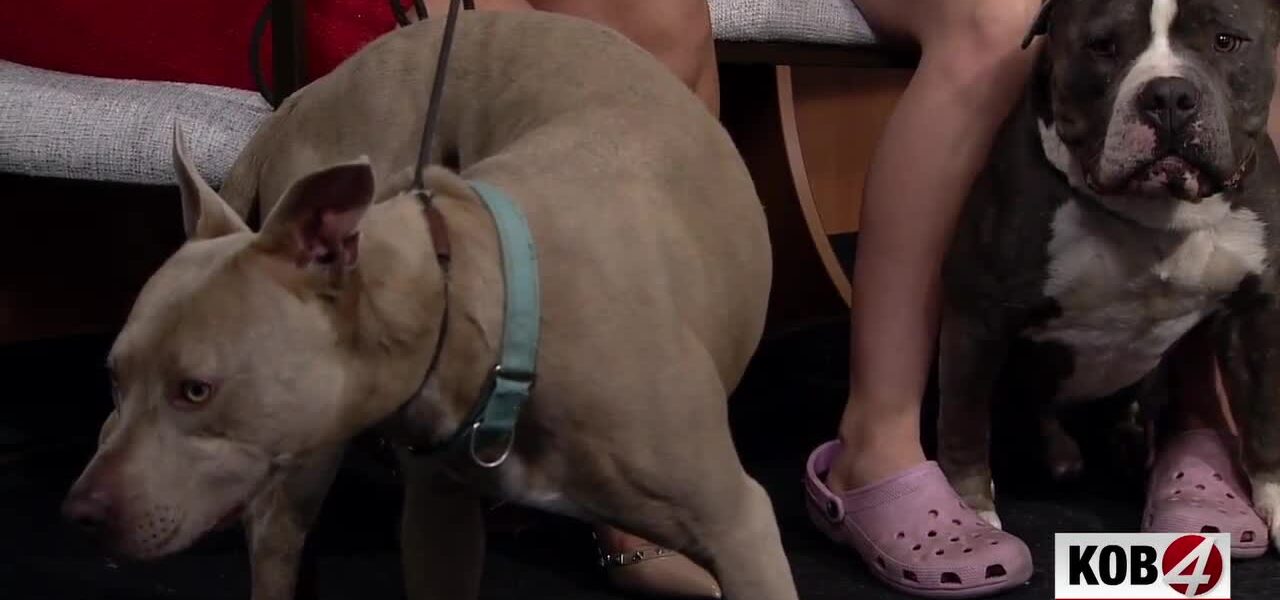
Consider Lucy — and Bobo, two of Pitties and Kitties’ current residents. Bobo, a five-year-old hound mix, arrived at the city shelter utterly shattered, overwhelmed by the cacophony and confines. The stress, they tell you, was palpable. He’s doing heaps better now, fostered into a calmer environment. Lucy, meanwhile, is a pit mix, fiercely loyal once she trusts you, but so terribly shy her journey to socialisation has been a slow crawl since April. She’s even living happily with cats, a testament to her adaptability—or maybe just the sheer desperation for a safe harbor. These aren’t just tales of two pets; they’re granular illustrations of the thousands of lives that become numbers in a system unprepared to cope. But it’s this hands-on, deeply personal commitment that keeps places like Pitties — and Kitties going.
The Disco Doggy Fashion Show, set for July 25th, isn’t merely about dogs in bell-bottoms. It’s an earnest, if aesthetically unique, effort to bridge a persistent funding gap. It ropes in sustainable fashion designers, creating a crossover appeal designed to draw wallets — and attention. And frankly, they need it. Latest available data indicates that just last year, nationwide, over 6.3 million animals entered U.S. animal shelters, with approximately 920,000 euthanized—numbers that represent staggering failures across the board. The good news? Roughly 4.1 million got adopted, — and that’s thanks, in no small part, to groups like these. It’s a grueling uphill slog.
📄 POLICY WIRE WHITEPAPER PUBLISHED: PAKISTAN'S NATIONAL SECURITY POLICY PRIORITIES
👉 READ BY CLICKING HERE“It’s not just our rescue,” explains Holly Dusthimer from Pitties and Kitties, the chief orchestrator of the upcoming chaos. “There are a few other rescues going. The dogs will be walking the runway with the fashion models, so it’ll be equal parts awesome, equal parts chaos.” It’s this particular blend of optimism and clear-eyed practicality that defines so much of the animal welfare sector, both in Albuquerque and abroad. And it mirrors, in some small way, the informal networks that step in where formal structures are overwhelmed, not just in New Mexico, but in places far removed—think of the street dog programs burgeoning across Karachi or the ad hoc animal care initiatives common throughout Southeast Asia.
Dr. Javed Akhtar, Senior Analyst at the Global Animal Welfare Alliance, frames it sharply: “What we see in Albuquerque isn’t unique. The burden of animal welfare often disproportionately falls on underfunded charities, mirroring patterns in burgeoning urban centers from Latin America to South Asia, where informal networks step in when formal structures are overwhelmed.” It’s a systemic strain, manifesting itself in both the high-octane spectacle of a doggy disco and the quiet desperation of a frightened shelter animal. Because, ultimately, when the system falters, it’s always the vulnerable who bear the brunt. Tickets are, predictably, moving fast; the city’s compassionate are certainly invested, even if official policy sometimes struggles to keep pace.
What This Means
This situation—a high-visibility, almost carnival-esque fundraiser for a serious underlying issue—offers a pointed lens into the economics and political will surrounding animal welfare. First off, it’s a direct consequence of inadequate public funding — and an overburdened municipal infrastructure. The fact that volunteer-driven entities must resort to such elaborate means underscores a public services gap that remains unaddressed at higher policy levels. It speaks to a tacit downloading of social responsibility onto private citizens — and small, under-resourced non-profits. The economic implication is clear: citizens’ private donations and volunteer hours are effectively subsidizing what many might argue should be a robust public service. Secondly, the creative fundraising highlights community engagement’s surprising power; when traditional pathways are blocked, innovation steps in, forging connections between disparate segments of society—fashionistas and animal advocates, for instance. But, and this is a big ‘but’, such events, however successful, are ultimately stop-gap measures. They don’t fundamentally reform the systemic issues leading to pet homelessness. Policy makers in Albuquerque, and elsewhere, aren’t just contending with the cuteness of a puppy; they’re dealing with resource allocation, public health implications, and a moral obligation to sentient beings that currently, it seems, hinges on whether or not a dog looks good in sequins. Societal cracks can sometimes be most visible in these periphery issues, showcasing where the social contract bends, and occasionally, breaks.