


Supreme Court Unleashes Anonymous Cash, Drowning Democrats’ Senate Hopes
POLICY WIRE — Washington, D.C. — Imagine a world where a whisper in an echo chamber carries more weight than a roar in a stadium. This isn’t some dystopian novel; it’s the peculiar...

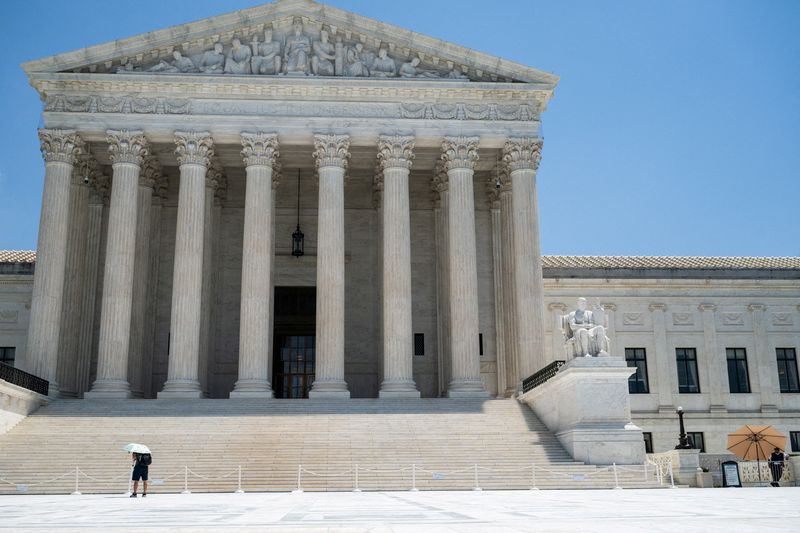
POLICY WIRE — Washington, D.C. — Imagine a world where a whisper in an echo chamber carries more weight than a roar in a stadium. This isn’t some dystopian novel; it’s the peculiar reality now confronting American electoral politics, thanks to the nation’s highest court. The justices have, quite neatly, opened floodgates previously — albeit imperfectly — regulated, and folks, it’s about to get messy for anyone who thought money might take a back seat to actual ideas. You see, the Court just did what many feared it would, unleashing a torrent of [QUOTE_PLACEHOLDER] unlimited, undisclosed spending, ensuring the upcoming Senate races will be less about persuasion and more about sheer, brutal financial might.
It’s a subtle sleight of hand, really. The ruling itself, an almost clinical examination of campaign finance, limits how the government can regulate independent expenditure groups. Sounds dry, doesn’t it? But its practical effect is anything but. This isn’t just another legal quibble for the Beltway set; it’s a potential wrecking ball for the Democratic Party’s meticulously crafted election playbook, especially in those white-knuckle Senate battlegrounds. They’ve traditionally leaned hard on small-dollar donors and, let’s be honest, fairly tight rules to keep the playing field at least nominally even. Now? Well, those rules just got stretched into invisibility.
But Republicans, those cunning strategists, they’re reportedly [QUOTE_PLACEHOLDER] gleeful. They’ve watched the Democrats try to out-organize their deeper pockets for years. And now they see a wide-open avenue for corporate and super-wealthy individuals to pour cash — unchecked cash — into newly emboldened Super PACs. Think of it: an almost limitless budget for shadowy organizations to launch ads, print mailers, and generally gum up the works with messaging that might not even be tied to an actual campaign. It’s an information war, — and one side just got an upgraded arsenal, financed by a deep bench of anonymous benefactors. Some legal scholars are already calling it a [QUOTE_PLACEHOLDER] landmark decision that prioritizes free speech over election integrity. And when money effectively becomes speech, well, whose voice truly gets heard?
This isn’t just about a few extra dollars changing hands, mind you. This is a structural shake-up. And the numbers don’t lie. According to analysts at the Campaign Finance Institute, [QUOTE_PLACEHOLDER] in 2022, outside spending in competitive Senate races topped $1 billion, with Super PACs accounting for over 70% of that figure. That’s a whopping sum, — and it was before this latest judicial green light. Experts argue this ruling will only supercharge that trend, making it incredibly hard for campaigns to keep control of their narrative against an overwhelming [QUOTE_PLACEHOLDER] deluge of anonymous ads. For instance, in tight races like Arizona, Pennsylvania, and Ohio, where a couple of million dollars in eleventh-hour independent expenditures can truly flip an outcome, this ruling becomes absolutely critical. And it leaves Democrats asking, how exactly do you compete when your opponent has what looks like a bottomless pit of anonymous funding?
Progressive groups are, predictably, decrying the decision. They’re convinced this is a further erosion of democratic principles. They shout that money isn’t speech, you know. And, when you allow [QUOTE_PLACEHOLDER] unchecked spending, it leads directly to an [QUOTE_PLACEHOLDER] oligarchy, not a democracy. It’s a sentiment many citizens — across the globe, really — might recognize. Take Pakistan, for instance. Its political landscape is often marked by complex, opaque funding flows, where allegiances and financial muscle can sometimes dwarf policy debates, contributing to a sense of detachment between voters and governance. The challenges of ensuring electoral fairness against the tide of informal money aren’t exclusive to America; they just take on a new, unsettling legal veneer here.
📄 POLICY WIRE WHITEPAPER PUBLISHED: PAKISTAN'S NATIONAL SECURITY POLICY PRIORITIES
👉 READ BY CLICKING HEREMeanwhile, the Republican National Committee? They’re giving the ruling a standing ovation, stating it [QUOTE_PLACEHOLDER] protects political expression. Of course they’re. One senior Democratic operative, remaining anonymous because that’s just how these things work, said the party now needs to [QUOTE_PLACEHOLDER] rethink its entire financial playbook. He wasn’t wrong. It [QUOTE_PLACEHOLDER] isn’t just a legal setback; it’s a structural challenge to their ability to compete on an even playing field. You can’t just wish this away; it requires a complete strategic overhaul. Or, perhaps, a miracle. Maybe both. We’re in for a hell of a ride, folks—or a policy whirlwind of uncharted territory.
What This Means
This Supreme Court decision isn’t just another legal footnote; it’s a cannonball lobbed squarely into the engine room of campaign finance, particularly benefiting well-funded interests and the Republican Party. For Democrats, who’ve spent decades attempting to rein in corporate and individual spending, it’s a categorical [QUOTE_PLACEHOLDER] major blow to Democrats. They’ve essentially lost a strategic arm in the money game. They’ll find it far more difficult to counter what will undoubtedly be an unprecedented influx of dark money, potentially skewing outcomes in critical Senate races and solidifying GOP power. It won’t merely tip scales; it’s designed to overturn them, making it even harder for average citizens to feel their vote or their small donations hold any comparative weight against the financial goliaths now unleashed. This sets a dangerous precedent, where financial might risks [QUOTE_PLACEER] exacerbating the influence of wealthy donors and special interests, further alienating ordinary citizens from the political process. This erosion of faith in democratic fairness — an issue familiar in developing democracies globally — can lead to deeper political apathy or, worse, an unsettling populism driven by a desperate search for authenticity, even if misplaced. Expect more rancor, less accountability, — and a significantly higher noise-to-signal ratio in future elections. We’re not just heading towards an election; we’re steaming toward a very messy, money-fueled experiment in electoral engineering.