

Fumbled Kick: US World Cup Exit Leaves Sour Aftertaste, Questions Soft Power Play
POLICY WIRE — Washington D.C., U.S. — The final whistle often brings exhilaration, or at least a clean, conclusive disappointment. But on a muggy Monday evening in Dallas, the US Men’s National...

POLICY WIRE — Washington D.C., U.S. — The final whistle often brings exhilaration, or at least a clean, conclusive disappointment. But on a muggy Monday evening in Dallas, the US Men’s National Team managed neither, instead serving up a performance so listless, so devoid of fight against Belgium, it felt like a betrayal. A crushing 4-1 rout in the World Cup’s Round of 16 isn’t just a loss; it’s a national cringe, especially when your country’s gearing up to host the global spectacle. One can practically hear the collective sigh of a nation that always, always expects more.
It wasn’t a game, argued two-time World Cup champion Carli Lloyd, speaking with the raw honesty only a legend can afford. It was a pre-ordained surrender. She saw it from the opening kickoff, she said, that deer-in-headlights look that spells doom before a single tackle is won. “It’s a bit of a downer for us being out here now after this loss, but I just felt like they lost the game before they even stepped out onto the pitch. I’m not sure why, — and I don’t know the reasons. But just from the beginning, just chasing, tentative, scared, just not confident on the ball, and I think big-time players, you wanted some of those big-time players to step up in big moments,” Lloyd observed, her voice barely concealing her exasperation. And she wasn’t alone. From digital echo chambers to hushed bar corners, the sentiment’s been unanimous: this wasn’t the American spirit folks hoped for. It’s hard to sell a narrative of global sporting dominance when your own team limps out this way. You’d think they’d have learned a thing or two by now.
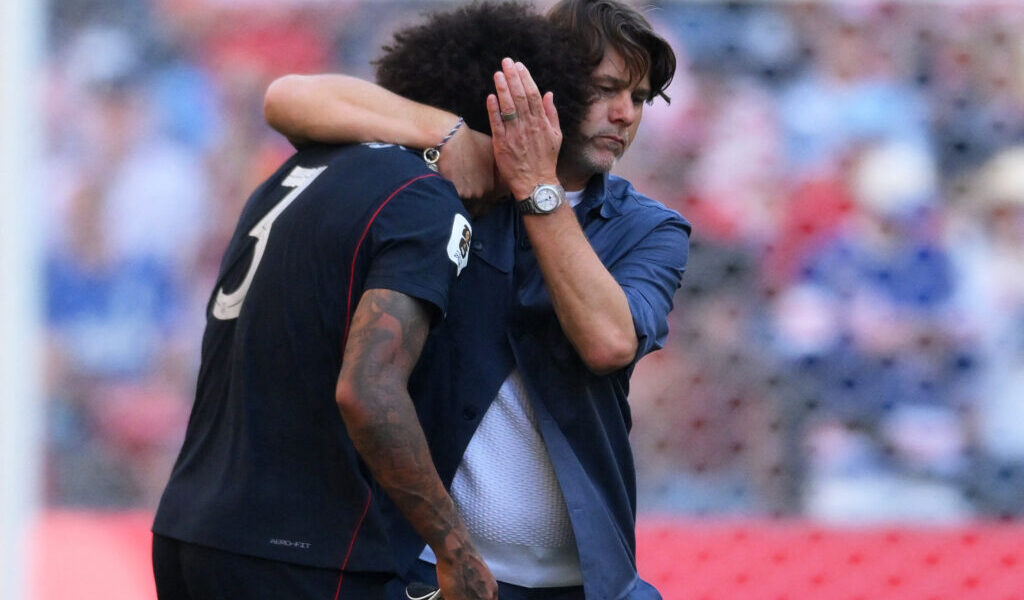
Christian Pulisic, the ‘Captain America’ who many hoped would spearhead a deep run, found himself squarely in Lloyd’s sights too. She pulled no punches. “I was a bit disappointed with Christian Pulisic. Whether he wants to be the star of this team or not, we didn’t see enough from him in this particular game, and really the whole World Cup, little glimpses here and there,” she lamented. But, the grim irony— or perhaps just grim fate— Pulisic’s World Cup ended prematurely with an injury. A heavy challenge from Belgium’s Youri Tielemans in the 54th minute, and just like that, the AC Milan forward was done, limping off the field, visibly emotional. He’d tried to play through an ankle knock, already nursing a calf injury from the opening match against Paraguay. Talk about unlucky. But also, sometimes, the narratives just don’t stick, do they?
“It’s just frustrating to end like that, of course,” Pulisic told reporters postgame, reflecting on a summer that promised so much. He added, “Now I have time to rest, so it’ll be OK.” His tone, a blend of dejection and defiance, captures the American sporting psyche: always next time, always a bigger hurdle to clear. But this one? It felt particularly deflating, like watching a promising tech startup flame out before IPO. Even when facing adversity, as the US squad clearly did this tournament, the expectation from supporters remains for sheer, unadulterated grit. For the record, Pulisic leaves this World Cup with one assist across four appearances—a slender return for such a touted talent.
This tournament’s exit also casts a peculiar shadow on the future. The US, remember, is co-hosting the next global extravaganza. Such an underwhelming performance, especially on home soil, sends peculiar signals across the diplomatic field. Soft power isn’t built on 4-1 thumping. In Pakistan, for instance, where cricket often reigns supreme, but football’s international appeal grows—driven by figures like Lionel Messi and Cristiano Ronaldo—a performance like the USMNT’s gets dissected through a different lens. They understand what national passion for sport looks like; this lukewarm outing simply won’t resonate with the fervor for, say, a pivotal T20 match against India. It almost certainly makes for a head-scratcher for countries actively trying to elevate their football profile.
📄 POLICY WIRE WHITEPAPER PUBLISHED: PAKISTAN'S NATIONAL SECURITY POLICY PRIORITIES
👉 READ BY CLICKING HERE“International sports diplomacy is far more nuanced than simply winning or losing,” quipped Laura Henderson, Deputy Assistant Secretary for Public Diplomacy, in an email to Policy Wire earlier this month. “But a strong showing on the world’s biggest stage certainly helps. It fosters goodwill, demonstrates national cohesion, and offers a visible counter-narrative to other geopolitical discussions. When that demonstration falls short, it demands a fresh appraisal of how we project ourselves.” A bit of a boilerplate answer, maybe, but she’s not wrong, is she? Because perception matters—always.
What This Means
The sting of this early World Cup exit for the US isn’t merely about the final score; it’s a geopolitical and economic missed opportunity. While economists projected that hosting the 2026 World Cup could generate an economic impact north of $5 billion for North America, much of that relies on sustained public enthusiasm and, crucially, national team performance. A team that can’t get past the Round of 16—on its own continental turf no less—risks deflating the very narrative of American sporting prowess that organizers hope to capitalize on. This isn’t just about selling jerseys; it’s about selling an image of a nation competitive on all fronts. For a global audience, especially in regions like South Asia or the Muslim world, where football viewership is exploding and national pride is fiercely tied to sporting achievement, a poor US performance undermines the perceived seriousness and quality of American soccer. It subtly impacts the ‘soft power’ currency America tries to wield through its cultural exports. The lack of grit described by Lloyd might be dismissed as a minor hiccup now, but the cumulative effect of such disappointments can erode public faith and international respect—two assets difficult to quantify, but impossible to ignore. The brass at US Soccer, — and indeed, Foggy Bottom, will be re-evaluating not just tactics, but narrative.