

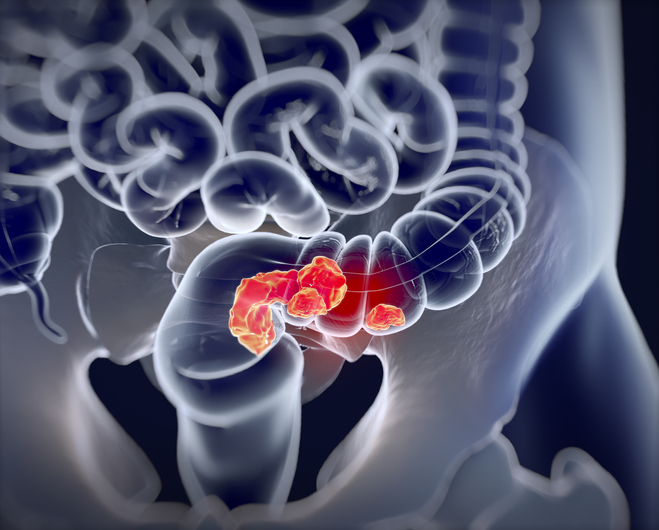
Silent War Within: Gut’s Micro-Citizens Redraw Cancer Battlefield
POLICY WIRE — Washington, D.C. — For too long, the humble human gut—that sprawling, complex network of unseen biology—has played second fiddle in the grand symphony of medical science. It’s been seen...

POLICY WIRE — Washington, D.C. — For too long, the humble human gut—that sprawling, complex network of unseen biology—has played second fiddle in the grand symphony of medical science. It’s been seen as a digestive system, nothing more, a simple conduit for sustenance. But emerging scientific consensus suggests this overlooked ecosystem is less a quiet worker and more a bustling metropolis of microbial residents, capable of orchestrating diseases with chilling precision. And now, they’re linking it, undeniably, to one of the most insidious scourges of modern medicine: colorectal cancer.
It’s not just about what we eat, you see; it’s what *they* eat inside us. The microscopic organisms residing in our digestive tracts — our gut microbiome — aren’t passive bystanders. They’re active participants in our health, for better or worse. Recent studies, increasingly compelling, suggest certain microbial communities are directly involved in the genesis and progression of colorectal cancer. It’s a scientific paradigm shift, honestly, shaking up how we perceive cancer development, preventative measures, and maybe even future treatments. The traditional view of rogue cells and genetic mutations, while still accurate, now gets a biological accomplice – an internal environment nurtured or neglected by lifestyle choices.
Think about it. We’ve always pointed fingers at diet, genetics, maybe a lack of exercise. Fair enough. But the microbiome introduces a layer of complexity, a dynamic interplay between our dietary habits and the critters they feed, that scientists are only just beginning to truly grasp. It’s an internal frontier, still largely uncharted. And the implications? They stretch far beyond laboratory benches, deep into public health policy — and socio-economic frameworks.
A staggering figure illustrates the problem’s global scope: colorectal cancer is the third most common cancer globally and the second leading cause of cancer-related deaths, accounting for approximately 935,000 deaths annually worldwide, according to 2020 estimates from the Global Cancer Observatory (GCO). But who knew these tiny organisms could be pushing those numbers? Not just genetic predispositions, not just unlucky environmental exposures, but also the very invisible life thriving within us.
This re-evaluation of gut flora, it turns out, carries particular weight for regions like South Asia. Countries such as Pakistan, with diverse populations, unique dietary traditions—often rich in specific fibers and fermented foods, but also experiencing a rapid shift towards processed, Westernized diets—and varying levels of healthcare access, present a complex tableau. The average South Asian gut, influenced by a completely different food culture and living environment compared to, say, a European or North American, likely harbors distinct microbial populations. Do these distinct microbiomes contribute differently to disease susceptibility? It’s a question without a clear, universally agreed upon answer yet, but it’s one scientists are chasing hard.
Policy planners and public health officials in Islamabad or Karachi, for example, might need to re-evaluate health campaigns. If diet isn’t just about nutrient intake, but about nurturing (or starving) specific bacterial strains that either protect against or promote cancer, then public advisories need serious fine-tuning. It isn’t merely about advocating for fruits and vegetables; it’s about understanding which ones cultivate a beneficial internal ecosystem, or which ones could, perhaps, inadvertently encourage hostile microbial residents.
Researchers are even exploring bacterial markers for early detection. The idea is that perhaps a simple stool sample—much less invasive and far more accessible than a colonoscopy, especially in resource-constrained settings—could offer an early warning. Imagine the public health impact. Such a development would be [QUOTE_PLACEHOLDER], providing a potential breakthrough for early screening efforts, where timely diagnosis makes a huge difference in survival rates.
📄 POLICY WIRE WHITEPAPER PUBLISHED: PAKISTAN'S NATIONAL SECURITY POLICY PRIORITIES
👉 READ BY CLICKING HEREBut implementing this kind of sophisticated screening across diverse, often rural, populations requires more than just scientific discovery. It demands robust infrastructure, trained personnel, — and sustained public education initiatives. This isn’t just a medical puzzle; it’s a societal one, calling for integrated solutions.
The science is young, yes. There are still many unknowns, countless permutations of bacteria, — and complex host-microbe interactions to unravel. But the narrative has shifted. Our guts aren’t just processing food. They’re an active player in a deadly game. And our public health policy, domestically — and globally, must start reflecting that inconvenient truth. It’s another policy failure to ignore the foundational science that tells us our bodies are more complex than we assume. Our future health literally depends on it.
What This Means
This evolving understanding of the microbiome’s role in colorectal cancer isn’t just academic chatter. For policymakers, it presents both immense challenges — and tantalizing opportunities. Economically, we could see new diagnostic markets explode – for advanced microbial sequencing tests, targeted probiotics, and even personalized dietary recommendations informed by gut composition. Big Pharma will undoubtedly follow the money, investing heavily in drugs that modulate the microbiome, but access to these treatments in lower-income countries remains a thorny issue. It’s one thing to develop these things; it’s another entirely to make them widely available where they’re arguably needed most, a perpetual tension in global health.
Politically, governments face pressure to retool national dietary guidelines, which traditionally focus on macronutrients rather than their secondary effects on internal bacterial colonies. There’s a potential here for health diplomacy too, as countries collaborate on research into regionally specific microbiomes and their disease links. The implications for food production, agricultural policies, and even food import/export regulations are also substantial. If specific food additives or agricultural practices significantly alter our beneficial gut flora, policymakers might have to confront industry lobbies. It won’t be an easy fight, but then, significant public health advancements rarely are. The science offers a new lens through which to view one of the world’s most pervasive cancers, pushing public health officials to consider the ecosystem within as gravely as they consider the environment without.