


Politicians & Crypto: Washington’s Ethics Dilemma
Politicians' crypto holdings, like Donald Trump's, spark an ethics crisis in Washington. Explore how digital assets challenge transparency, regulation, and public trust.

POLICY WIRE — Washington, D.C. — Money’s always been the grease in Washington’s gears, but what happens when that currency moves entirely beyond physical reach, a shadowy asset class for digital high rollers? It’s a question that’s got ethicists, — and more than a few politicians, squirming. And it’s right at the heart of the latest political dust-up involving former President Donald Trump and his surprisingly robust foray into the volatile world of cryptocurrency.
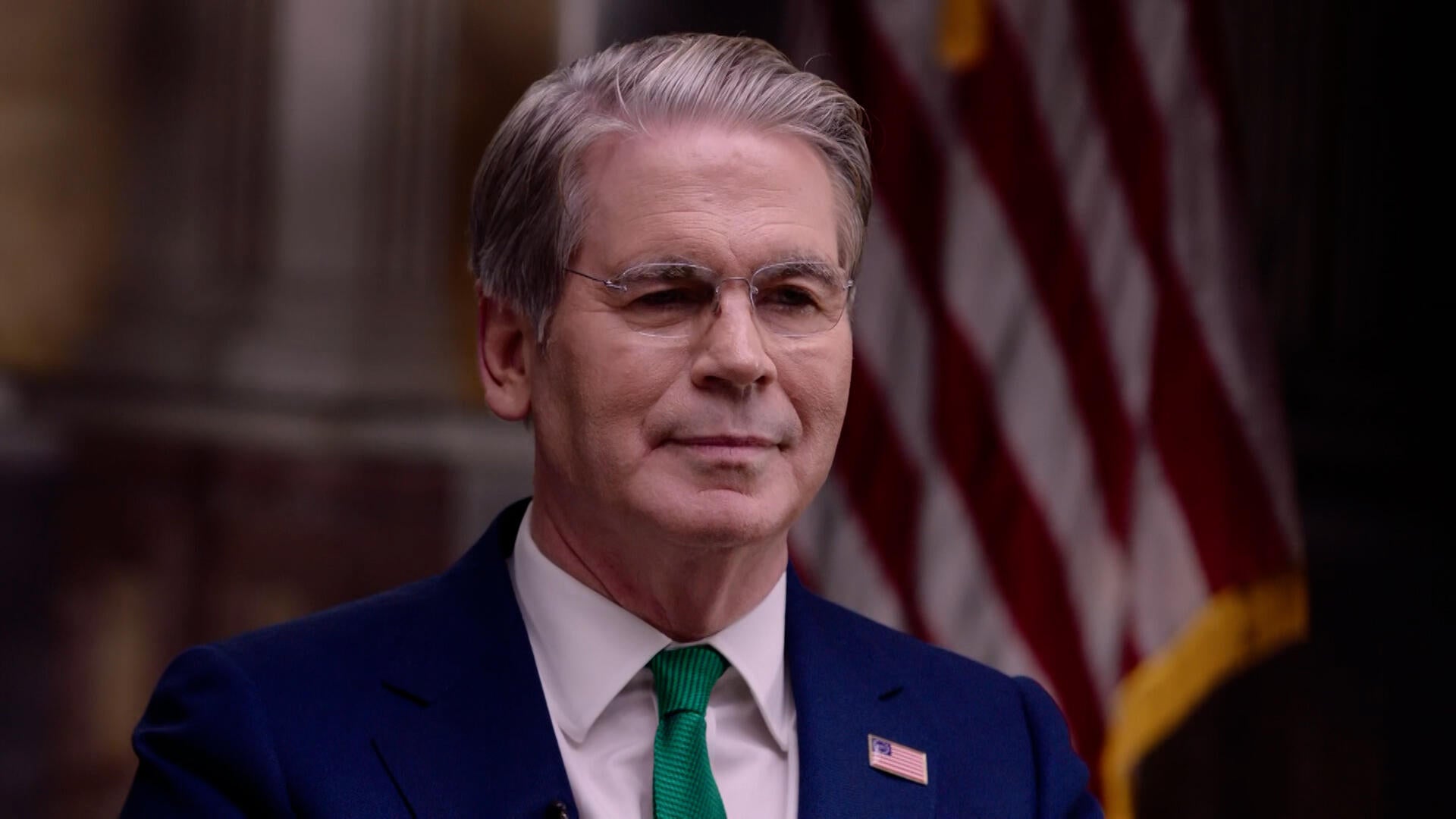
You see, folks, the game’s changed. Politicians, from elected officials to those with lingering influence, aren’t just flipping real estate anymore or investing in blue-chip stocks. They’re diving headfirst into NFTs and digital coin, accruing wealth at speeds that make traditional asset growth look like snail mail. Trump, ever the businessman, found himself holding a significant stash—digital, mind you—tied to various projects that carry his brand name. It wasn’t exactly a secret, but the sheer scale certainly raises eyebrows, and one of his advisors, Bessent, recently shrugged off the commotion.
In what felt like a classic Washington D.C. deflection, Bessent’s take on the former president’s crypto earnings, despite their opaque origins and potential for conflicts of interest, was surprisingly nonchalant. According to Bessent, when asked about the perception of impropriety, he stated [QUOTE_PLACEHOLDER]. No worries there, apparently. Just move along, nothing to see. But the market, and the public, have a different sort of imagination when it comes to financial maneuverings by those at the levers of power—or those itching to get back there.
Think about it. We’re talking about potentially millions here, derived from assets most average folks don’t even fully grasp. It brings up a whole can of worms regarding transparency. How do you regulate something that lives mostly in the ether? What disclosures are truly adequate when a significant chunk of a public figure’s wealth isn’t just ‘in stocks,’ but ‘in an altcoin derived from an NFT drop based on a digital trading card featuring their likeness’?
It’s not just about what’s legal; it’s about what looks right. Or rather, what appears wrong. For instance, the US Securities and Exchange Commission, since the summer of 2023, has logged more than 2,000 enforcement actions related to crypto-assets, according to its own public data, demonstrating a sustained regulatory challenge for authorities across the globe. This kind of scrutiny isn’t just about consumer protection; it’s also about preventing illicit financing and maintaining faith in market integrity.
This particular crypto kerfuffle, naturally, casts a long shadow. Critics have been quick to point out the potential for undue influence or even outright corruption when leaders hold substantial, hard-to-trace assets that could be impacted by policy decisions. They’re asking if such holdings create an invisible pressure point, affecting everything from tax policy on digital assets to the very regulation—or lack thereof—of the burgeoning crypto industry.
And it’s a concern not just for the Potomac pundits. The implications ripple outward, particularly for developing democracies navigating their own digital transformations. Consider nations across South Asia or the Muslim world, many of whom are grappling with institutional challenges and seeking to establish financial integrity. In Pakistan, for example, a nascent but enthusiastic crypto community often operates in a legal grey zone, with regulatory clarity lagging significantly behind market adoption. When prominent figures in established global powers seem to get a pass on what some see as ethical quagmires, it doesn’t exactly set a gold standard. Instead, it can foster a culture where opacity becomes a feature, not a bug, making the already uphill battle against corruption that much steeper. It creates precedents.
This isn’t about condemning innovation, mind you. It’s about accountability. We’ve seen for decades the struggles inherent in overseeing conventional financial dealings by public servants. Now, add a layer of highly complex, decentralized, and often anonymous digital assets, and the job gets significantly harder. It’s enough to make a seasoned compliance officer pull their hair out.
Aides saying there’s [QUOTE_PLACEHOLDER] regarding massive crypto windfalls for presidential hopefuls—or anyone influencing policy—it just feels a bit… antiquated. The public’s not stupid. They know when the rules seem to apply differently, especially when the digital dollars start stacking up.
What This Means
This episode speaks volumes about the accelerating collision between nascent digital economies and traditional political ethics. The dismissal of any [QUOTE_PLACEHOLDER] on such significant, unconventional wealth streams by a former head of state suggests either a willful ignorance of public perception or a calculated gamble that such issues won’t sway voters in a deeply polarized environment. Economically, it points to a gaping hole in regulatory frameworks—both for personal finance disclosures by public figures and for the crypto industry itself. Policy-makers globally are still trying to catch up, but the political advantage of early adoption (and profit) in these spaces is clearly emerging as a powerful, if ethically complex, new tool in a politician’s arsenal.
For nations like Israel, for example, where financial oversight for government spending and veteran benefits has drawn scrutiny—see our reporting on Home Front Scars: Why Israel’s Budget Snubs Its Wounded Heroes—the U.S. crypto conundrum can appear either as an example of American institutional laxity or a preview of what’s to come. But it’s clear: the definition of political capital isn’t just changing; it’s going digital. And the implications for public trust are going to be felt long after these transactions settle on the blockchain.