


Texas Tightens Digital Reins as Supreme Court Lets App Age Mandate Stand
POLICY WIRE — WASHINGTON, D.C. — Imagine a world where a state legislature, not Silicon Valley, dictates who gets to tap and swipe. That’s the messy reality the U.S. Supreme Court just helped...

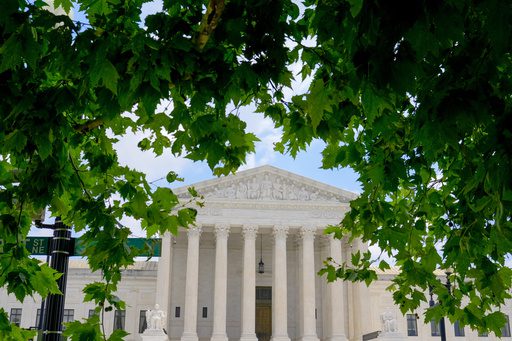
POLICY WIRE — WASHINGTON, D.C. — Imagine a world where a state legislature, not Silicon Valley, dictates who gets to tap and swipe. That’s the messy reality the U.S. Supreme Court just helped cement, at least for Texas. On Monday, in an understated decision that somehow manages to scream volumes, the high court effectively gave Texas the green light to enforce its controversial law demanding age verification and parental consent for minors downloading apps.
No grand declarations here. Just a pair of curt, one-sentence denials from Justice Samuel Alito, dismissing petitions from the tech industry and a students’ rights group. Poof. Gone were the last hopes of blocking the so-called Texas App Store Accountability Act. This isn’t just about kids — and Fortnite, mind you. This is a skirmish—a serious one—in the perpetual digital culture war, now emboldened by the nation’s top judicial body. You’ve got to wonder what else states will try.
This whole ruckus began when the Texas legislature decided parents in the Lone Star State weren’t quite cutting it on their own. The law? It’s a doozy. It requires app stores—meaning giants like Apple and Google—to implement age verification for anyone looking to download software or make in-app purchases. And if it’s a minor, parental consent becomes a must. The Computer & Communications Industry Association (CCIA), which counts tech heavyweights among its members, immediately cried foul. They saw it as an unacceptable impingement on free speech. “We’re talking about vast amounts of educational content, news, even creative expression being caught in this dragnet,” bristled Matt Schruers, President of the CCIA, in an email to Policy Wire. “States shouldn’t be installing gatekeepers for the internet. It sets a dangerous precedent.”
Because, really, what’s happening in Texas doesn’t just stay in Texas. It sends ripples. Fast. You see, the digital realm knows no borders, and what starts as state-level legislation can swiftly become a template for others. Consider countries like Pakistan, for instance, where discussions around online content regulation and parental controls often involve a complex mix of cultural norms, religious directives, and state interests in information control. They, too, grapple with how to safeguard younger generations online, often eyeing models of regulation from Western democracies.
On the flip side, you have Texas Attorney General Ken Paxton, who couldn’t be more pleased. For him, this isn’t some free speech debate. It’s about protecting children in a wild digital frontier. Paxton’s office has argued—and successfully convinced a three-judge panel from the 5th U.S. Circuit Court of Appeals last month—that the state has a legitimate interest here. “A child with access to an app store… can potentially download any number of software applications… be exposed to any conceivable content without parental consent or even parental knowledge,” his office wrote. But the courts didn’t just allow it to go forward. They shot down a district court’s ruling from last December that actually found the law unconstitutional.
📄 POLICY WIRE WHITEPAPER PUBLISHED: PAKISTAN'S NATIONAL SECURITY POLICY PRIORITIES
👉 READ BY CLICKING HEREParents, of course, are stuck in the middle. Most of ‘em just want their kids safe, away from the nastier corners of the internet. A Common Sense Media report from 2023, for example, found that 55% of American teenagers had encountered unwanted or inappropriate content online. That’s a grim figure. And parents? They’re tired. But the burden of proof, of implementation, it almost always falls back on individuals or companies.
What This Means
This isn’t just a win for Texas. It’s a seismic shift in how we’ll likely approach digital regulation across the U.S. and, by extension, influence other nations. States will see this as validation—a license to flex their legislative muscles over technology, asserting local values on platforms built for global reach. For tech companies, it’s a compliance nightmare. They’ll face a patchwork of differing state laws, forcing them to spend enormous resources on age-gating, content filtering, and consent mechanisms that might clash with each other. This is likely to slow innovation, maybe even make smaller developers shy away from certain markets. But hey, it also forces them to seriously consider the demographic they’re serving, instead of assuming one-size-fits-all. Freedom of speech advocates, on the other hand, will tell you it’s a slippery slope to censorship. Once the precedent is set for minors, it isn’t long before the line blurs for adults, often under the guise of protecting “public interest” or “moral fabric.” This opens up a fresh front in the long-running battle between state power and individual autonomy online.
So, get ready for a bumpy ride. Your digital identity? It’s not just your problem anymore. Texas just brought in the sheriffs, — and the Supreme Court gave ‘em the badge. The ramifications? We’re only just beginning to see ’em.