


Albuquerque Outcry: Stolen Ashes & Medals
Sacred ashes & military medals were stolen from a car in Albuquerque, disrupting a family's final journey. This shocking theft sparks outrage & highlights rising crime.

POLICY WIRE — Albuquerque, N.M. — In societies worldwide, the remains of the dead command a certain, often solemn, respect—a concept perhaps most deeply ingrained across cultures from ancient traditions to the Abrahamic faiths stretching through South Asia and the wider Muslim world. Burial rites aren’t just personal farewells; they’re communal acts of reverence, frameworks for dignity in loss. Yet, in the bustling heart of Albuquerque, this unspoken global compact of honoring the deceased took a chilling, decidedly mundane hit last week, leaving one grieving family—and perhaps an unsuspecting city—reeling from an act of profoundly crass disregard.
It wasn’t a grave desecrated, nor a memorial vandalized. It was merely a rental car, parked in front of a Best Western hotel on Pan American just off I-25, serving as the latest anonymous casualty in the nation’s stubborn epidemic of property crime. But this wasn’t just any loss. For Tammy Blevins, traveling cross-country from California to Colorado to fulfill her father’s last wishes, the theft transcended mere property crime. It represented a gut-wrenching affront to her father’s legacy, to his final journey home, and to their collective grief. They’d been on the way to inter him next to his wife in his cherished Colorado, a plan tragically interrupted.
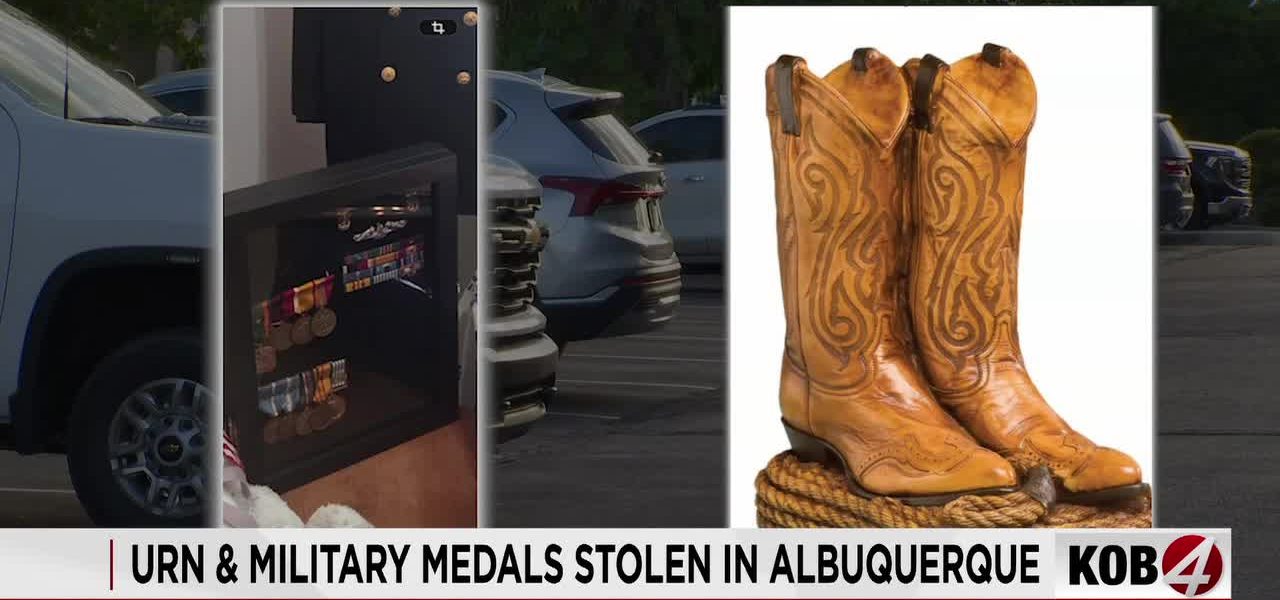
The thieves, anonymous actors in this grim roadside drama, didn’t just make off with electronics or luggage—they stole an urn containing Charles Landrum’s ashes. And his military medals, tokens of a distinguished career as a cryptologist in the Navy. Later, Mr. Landrum, who passed at 95, went on to become a teacher—a life of service twice over, effectively reduced to a smash-and-grab footnote on a Thursday morning, June 25, according to reports.
And Blevins? She owns her part in it. And her candor about that decision speaks volumes about the implicit trust many still place in seemingly safe environments, even amidst escalating crime. [QUOTE_PLACEHOLDER] And she’s already grappling with the lifelong burden of that choice. Because nobody—not a grieving daughter, not even hardened criminals (one might hope)—would consider human remains, or symbols of valor, as easy targets. That’s what’s really jarring here, you know? The sheer transactional indifference.
This incident throws into stark relief the increasing audacity of opportunistic crime. In a country that venerates its military, particularly those with such specific, honorable service records, the thought of his accolades being hawked off, or his final remains cast aside—it’s frankly unfathomable to most decent folk. Think about it: a decorated cryptologist, someone who served with strategic importance during wartime, now, in death, vulnerable to the lowest common denominator of larceny.
The Blevins family is now holding out hope, a thin thread really, that the cowboy boot-shaped urn—because of course, Mr. Landrum had a love of horses from his Colorado Springs roots, which eventually went down to [QUOTE_PLACEHOLDER] Blevins herself—will resurface. If we’re able to recover any of the other items, that would be a bonus, said Blevins. But make no mistake, the ashes are the goal. It’s an act of profound, almost religious, restoration they seek.
📄 POLICY WIRE WHITEPAPER PUBLISHED: PAKISTAN'S NATIONAL SECURITY POLICY PRIORITIES
👉 READ BY CLICKING HEREMeanwhile, the citizens of Albuquerque have, commendably, responded with an outpouring of support—a heartening counter-narrative to the initial brutality of the theft. I want to thank the people of Albuquerque. You guys are appreciated so much, and the family really appreciates you, and we’re very thankful for you, Blevins conveyed, clinging to a silver lining in what’s become a deeply painful saga.
This isn’t an isolated incident either. Car break-ins — and property crimes plague American cities. In Albuquerque specifically, a study analyzing recent crime trends indicated a concerning surge, with motor vehicle theft rates climbing by nearly 40% between 2019 and 2022, according to data compiled by the Albuquerque Police Department. It’s a statistic that hits hard, revealing a city—and indeed, many like it—struggling with the basic promise of public order, inadvertently ensnaring grieving families in the process. The Albuquerque Police Department, for their part, didn’t respond to Policy Wire’s requests for information on the investigation.
What This Means
This particular episode in Albuquerque isn’t just a sad news item; it’s a bellwether of sorts. Politically, it signals a deeper erosion of public trust in basic safety. When residents, and visitors alike, can’t rely on a simple hotel parking lot for security, it sparks broader conversations about policing strategies, resource allocation, and the visible presence of law enforcement. Mayors and city councils find themselves constantly on the defensive, wrestling with statistics that impact everything from tourism to business investment. The perception of a city’s safety, or lack thereof, holds economic ramifications far beyond the immediate trauma of individual victims.
And economically, it underscores the often-unseen costs of unchecked petty crime. Beyond insurance deductibles and the price of replacing material items—in this case, quite literally irreplaceable—there’s the intangible toll on travel and hospitality. Who’d want to choose Albuquerque as a stopover, however convenient off I-25, if personal peace and property are perpetually at risk? from a global perspective, particularly within Muslim cultures where reverence for the deceased is absolute, the sheer sacrilege of stealing human remains could easily be misconstrued as symptomatic of a broader societal callousness—a worrying misperception for any nation seeking to project an image of civilized order and respect for human dignity.