

Maine’s Wild: When Humans Intervene. A Policy Debate.
A dramatic rescue in Maine sparks a debate: When should humans intervene in the wild? Explore the ethical and policy challenges of protecting nature.

POLICY WIRE — Augusta, Maine — It was just another day in the rugged expanse of Maine’s north country. But for two unsuspecting tourists — a couple, really, just out enjoying a scenic drive — it became a front-row seat to a drama that quickly veered from wildlife observation into a stark, uncomfortable debate about intervention. And perhaps, whether some lines in the natural world ought to stay uncrossed. We’re not talking about some grand policy pronouncement from Capitol Hill here. This was primal stuff: a bear, a moose calf, — and the messy, very human instinct to, well, interfere.
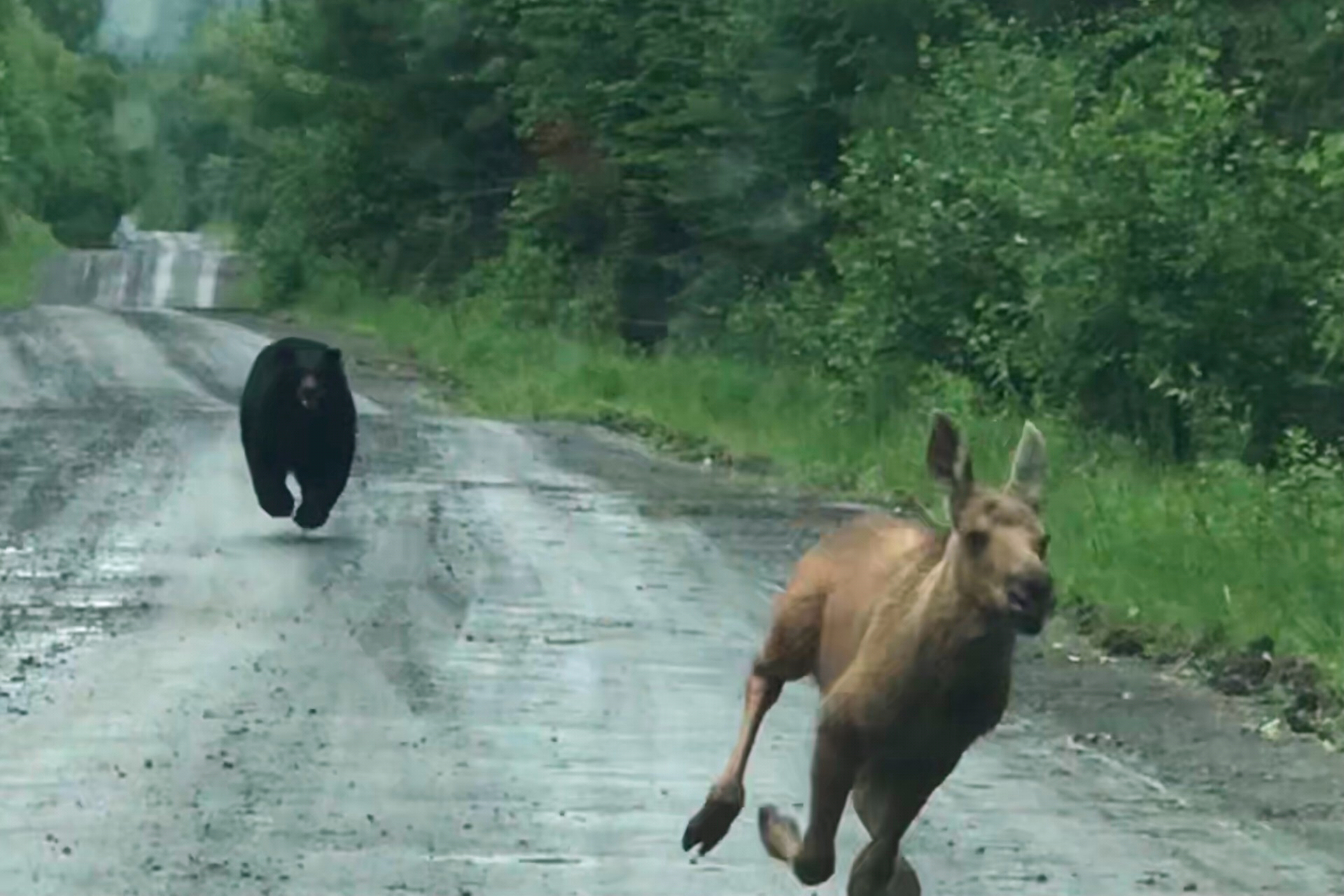
See, folks assume nature’s got its own script. Predator, prey, circle of life, all that. But what happens when we, with our good intentions (or maybe just plain adrenaline), jump onto the stage? That’s what happened up there in Maine when a couple witnessed a rather spirited chase—a black bear hot on the heels of a moose calf, struggling to keep pace with its mother. The tourists, in a split-second decision that’s now making local headlines, reportedly used their vehicle to ‘herd’ the bear away, giving the calf its best shot at escape. Good intentions, no doubt. But does every act of apparent heroism in the wilderness make for good policy?
It certainly doesn’t sit well with everyone. State officials, you know, they’re in a tough spot. On one hand, they want people to appreciate wildlife. On the other, they’d prefer folks didn’t insert themselves directly into predator-prey dynamics, no matter how cute the baby moose. “We appreciate the sentiment behind wanting to protect an animal,” noted Gary Plummer, spokesperson for the Maine Department of Inland Fisheries and Wildlife, in a statement to Policy Wire. “But human intervention in these situations can unpredictably alter ecological balance. And, frankly, it puts people at risk.” He’s not wrong. Bears are not puppies.
But there’s another angle here, isn’t there? Maine’s tourism economy, especially its vast outdoor recreational sector, depends on these very animals. Moose-watching, bear-spotting—it’s a huge draw. An estimated 60,000 to 70,000 moose roam Maine, but their population faces significant threats from winter ticks, as documented by the Department of Inland Fisheries and Wildlife. So, when an individual moose calf gets a reprieve from a hungry bear thanks to human meddling, does it register as a statistical blip, or something more? The lines get blurry. Policy decisions often stem from these very localized, visceral events, shaping public sentiment even before formal statutes are considered. They aren’t just animal tales; they’re parables of governance, or the lack thereof, in a rapidly changing environment.
But this isn’t some quaint New England isolated incident. Globally, we’re wrestling with this constant push and pull between protecting dwindling wilderness and managing the unpredictable fallout of human expansion. Think about the wild spaces that still remain in, say, Pakistan’s northern regions, where unique species like the elusive snow leopard clash with expanding pastoral communities. Local shepherds, much like Maine’s locals, sometimes face difficult choices when livestock is threatened by predators, or when a species becomes — inadvertently — entwined with human narratives of protection. These are different ecosystems, for sure, and distinct cultures, but the underlying ethical tightrope, that policy-driven decision of ‘when to interfere’ or ‘how to coexist’, it echoes from Skardu to Jackman, Maine. Who gets to decide? Is it pure ecological science? Or the popular sentiment ignited by an emotional video clip on the internet?
And because these wildlife encounters often capture the public’s imagination, they tend to overshadow the grinding, thankless work of conservationists and policy wonks trying to make sense of habitat loss, climate migration, and dwindling state budgets for animal welfare. We focus on the dramatic rescue, not the slow bleed of policy neglect.
Senator Eleanor Vance (D-District 3), whose constituency includes swathes of Maine’s prime wilderness, suggested the incident underscores a wider responsibility. “What this situation highlights isn’t just about a bear and a moose; it’s about our evolving relationship with the natural world. People care deeply, and we in government have a duty to create frameworks that protect both wildlife and public safety,” Vance said via email, acknowledging the delicate balance her state walks between conservation and human development. It’s an economy, after all, — and folks need their jobs. Global economic jitters don’t exactly help matters, tightening purse strings everywhere for things like habitat preservation. And that complicates things further for policy makers.
What This Means
The seemingly innocuous act of a couple helping a moose calf might feel like a feel-good story, but it pulls at threads of much larger policy debates. First, it forces a conversation about the very definition of ‘wilderness’ in the 21st century. Can any place truly be ‘wild’ when human observers — and interveners are omnipresent? It challenges existing wildlife management protocols, particularly around education — and deterrence. Is ‘don’t feed the bears’ enough when ‘don’t interfere with the hunt’ feels equally urgent but less understood by the casual visitor? Economically, these encounters can be both a blessing and a curse: drawing tourists with the promise of wild beauty, but simultaneously raising safety concerns that could deter others. Long-term, incidents like these — which tend to go viral, stoking public opinion — can inadvertently pressure wildlife agencies to re-evaluate their strategies, balancing scientific ecological principles with public sentiment and even, dare I say it, popular narratives of heroic intervention. It’s a complicated stew, and policy-makers are often left stirring it.