


Nigeria to South Africa: No End in Sight for the Mob’s Fury
POLICY WIRE — Abuja, Nigeria — The diplomatic charade continues. Pretoria insists it’s got a grip, but Abuja isn’t buying it. Nigeria’s leadership, eyes weary from years of identical...

POLICY WIRE — Abuja, Nigeria — The diplomatic charade continues. Pretoria insists it’s got a grip, but Abuja isn’t buying it. Nigeria’s leadership, eyes weary from years of identical assurances, now says there’s simply no convincing sign that the mob mentality, the violent strain of xenophobia gripping South Africa, is cooling off. And why would it? The ingredients for resentment—poverty, unemployment, systemic frustration—are still bubbling over.
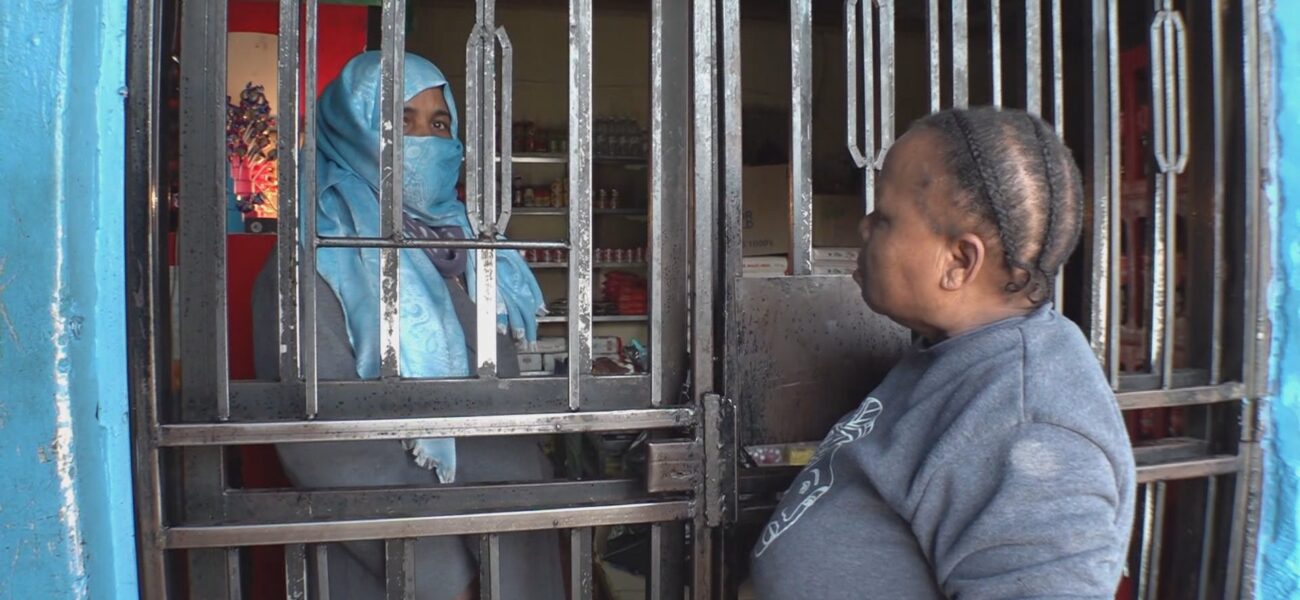
It’s an exhausting cycle, this. South Africa, once the moral compass of the continent, a triumph against apartheid’s brutal injustice, now routinely witnesses its own citizens turning on fellow Africans. It’s a bitter pill for many to swallow, not least for the Nigerian government, whose citizens living southwards seem perpetually under threat. You’d think by now they’d find a new playbook, a fresh line of defense, but no. We get the usual. Speeches about economic pressures. Promises of investigations. Then, another burnt shop, another family fleeing.
“We’ve watched this narrative play out time and again,” remarked Nigerian Foreign Minister Yusuf Aliyu, his voice reportedly tinged with an exasperated weariness that’s become all too common among West African diplomats dealing with their southern counterparts. “Our people are being targeted. They’re being made scapegoats for deeper systemic issues South Africa must confront. We can’t just stand by as their businesses, their lives, go up in flames.” But they do, don’t they? Stand by, that’s. The diplomatic channels remain open, of course—because they must—but the goodwill, the solidarity born of shared anti-colonial struggle? That’s wearing thin, quickly.
South Africa’s Home Affairs Minister, Thabo Mkhize, for his part, often frames the violence not as xenophobia, but as mere criminality, fueled by economic despair. “Look, we face a complex set of challenges here,” Mkhize stated in a recent press conference, deflecting questions about institutional inaction. “Poverty is rampant. Unemployment, it’s a national emergency—it stood at 32.9% in Q1 2024, according to Statistics South Africa. People are hurting, — and criminals exploit that. We’re, however, committed to addressing all forms of crime, targeting anyone, regardless of origin.” It’s a convenient sidestep, isn’t it? A narrative that neatly divorces the deep-seated prejudice from the acts of violence. But a burnt Nigerian-owned shop doesn’t just spontaneously combust. There’s intent, often rooted in a very particular brand of hate. A hatred of the outsider.
The trouble is, when you’ve built an economy that hasn’t delivered on the promises of the democratic era—a free for all, sure, but mostly for a select few—that frustration’s gotta land somewhere. And what’s easier than blaming the guy who looks different, speaks different, whose hustle reminds you of your own failures? South Africa has its internal contradictions; it always has. But what started as isolated incidents has solidified into a grim expectation. Every few years, another wave. The Nigerian community, amongst others, holds its breath.
Because the consequences of this instability reach further than just two nations. It chips away at the grand, often romanticized, idea of African unity. It signals that even after independence, even after defeating institutionalized racism, we haven’t quite figured out how to live peacefully with our own kin, let alone those from slightly different soil. It sets a dangerous precedent. It’s a difficult lesson that resonates globally, even in a South Asian context, where economic anxieties often translate into suspicion of internal and external migrants.
📄 POLICY WIRE WHITEPAPER PUBLISHED: PAKISTAN'S NATIONAL SECURITY POLICY PRIORITIES
👉 READ BY CLICKING HEREConsider the economic impact: not just for individuals whose livelihoods vanish overnight, but for regional trade, for investment. Who’s eager to pour money into a place where their workers, or their business partners, might be subject to violent attack based on their nationality? No one, that’s who. Capital’s a coward. It’ll run. It always does.
What This Means
This enduring diplomatic standoff, punctuated by intermittent bursts of real-world violence, carries heavy political and economic implications, far beyond just Pretoria and Abuja. Politically, it strains the concept of pan-Africanism to its breaking point. It challenges the efficacy of continental bodies like the African Union, which, despite rhetorical condemnations, appears powerless to stop the recurring brutality. It undermines South Africa’s regional leadership ambitions; hard to lead a continent when you’re seen as unable to protect its citizens within your own borders.
Economically, the impact is insidious. It deters Nigerian—and other African—entrepreneurs from investing in South Africa, choking off a potentially vibrant source of regional commerce and job creation. Conversely, it emboldens protectionist sentiments within Nigeria, making it harder to advocate for free trade agreements within Africa. Businesses, seeing the risk, divert investments to more stable, less volatile markets. For the Global South, including nations in the Muslim world that also grapple with economic migration and integration, South Africa’s predicament serves as a stark warning. The scapegoating of foreigners as a solution to domestic economic woes isn’t an exclusive African phenomenon. We’ve seen it everywhere. It’s a convenient, but ultimately destructive, political strategy. Until South Africa grapples honestly with its socio-economic realities and the ugly underbelly of nationalist sentiment, this cycle of violence, and the diplomatic paralysis surrounding it, seems set to persist. And that, frankly, is a tough truth to swallow. It truly is.