



England’s Mexican Reckoning: Fragile Victory Unearths Deeper Identity
POLICY WIRE — Mexico City, Mexico — The ghosts of 1986 weren’t laid to rest last night in the crucible of Estadio Azteca; they simply traded their legendary embrace for a desperate, clawing...

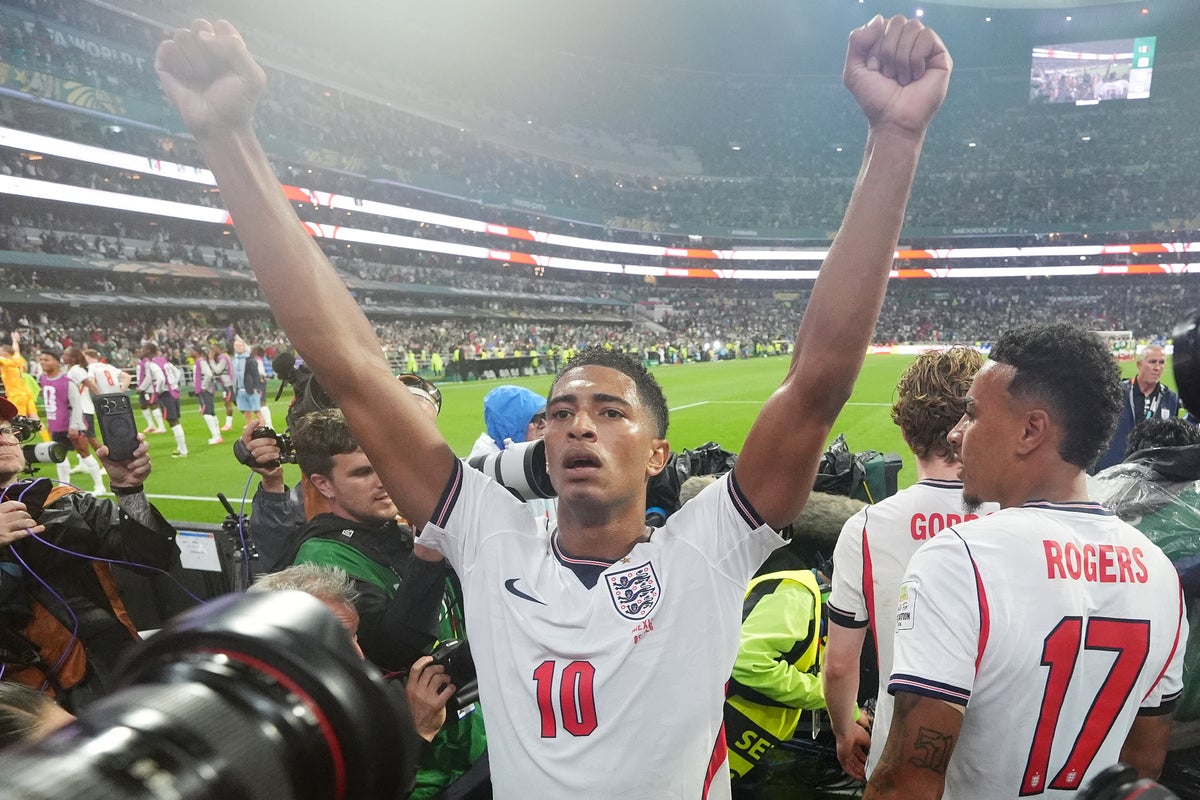
POLICY WIRE — Mexico City, Mexico — The ghosts of 1986 weren’t laid to rest last night in the crucible of Estadio Azteca; they simply traded their legendary embrace for a desperate, clawing scramble. England’s 3-2 victory over a fiercely passionate Mexico was less a triumph of calculated prowess and more a bare-knuckle brawl for survival, leaving observers to wonder whether such profound fragility can truly lead to glory.
It was a match that had everything, a swirling tempest of VAR drama, last-ditch heroics, and the palpable tension of 80,000 screaming fans — and 11 minutes of injury time that felt like an eternity. Coach Thomas Tuchel’s side snatched a quarter-final berth against Erling Haaland’s Norway, but they dragged themselves over the line looking utterly spent, like survivors of a particularly brutal siege rather than confident contenders.
Initially, it looked like a tactical masterclass. England seemed to invite pressure, patiently waiting to spring deadly counter-attacks. Jude Bellingham, now practically writing his own legend, netted two goals that shaped the entire first half. The first, a brilliantly executed finish, looked like a blueprint for comfortable control. Then he did it again. But then, as it always seems to do with this England setup, things started to fray. Quansah got himself sent off after a VAR review, tilting the playing field. And from there? It became a proper dogfight.
“Look, you take the win, obviously,” Thomas Tuchel, England’s manager, stated, his usual impassive demeanor cracked just a touch. “But we saw moments out there where you just can’t be switching off like that. You can’t. That kind of fragility, it’ll eat you alive against better opposition, won’t it?” He’s not wrong. For all the lauded character — and grit, the fissures are visible, wide open. It begs the question of whether grit can mask systemic weaknesses for very long. Mexico, after all, isn’t Norway.
They’d frittered away their lead, allowing Mexico back into the game through Julian Quinones, then conceding a penalty to Raul Jimenez after a contentious decision. Jordan Pickford, for his part, pulled off saves that bordered on the miraculous, especially two in the first half that felt like a direct callback to Gordon Banks’ heroics in this very country. Dan Burn, too, marshaled the defense admirably post-red card. But the team’s ability to maintain control seems stubbornly elusive. According to sports analytics firm Opta, England maintained just 42% possession post-red card, down from 58% in the first half – a stark illustration of how easily their grip slipped.
On the opposing side, despite the agonizing loss, a fierce sense of national pride permeated the post-match commentary. “We put our souls onto that pitch,” expressed Guillermo Orozco, Director of Football Development for the Mexican Football Federation, a stoic pride battling the disappointment in his voice. “And we showed the world that when this nation unites behind its flag—well, you fight for every single blade of grass. There’s no shame in leaving it all out there, even if the result isn’t what you prayed for.” It’s a sentiment deeply familiar in football-mad regions across the globe, from Brazil to Pakistan, where the fortunes of the national team are inextricably woven into the fabric of national identity and global perception. In nations where political and economic stability often hang by a thread, the spectacle of sport becomes a high-stakes arena for proving worth on a global stage, an emotional pressure cooker that eclipses even the typical World Cup hype.
What This Means
England’s escape act against Mexico, while securing a passage to the next round, presents a geopolitical quandary back home. Is this hard-won resilience a sign of deep national character, or a harbinger of continued reliance on individual brilliance to paper over tactical cracks? Policy analysts might draw parallels between this nail-biting approach and the nation’s post-Brexit economic maneuvers – often defined by ambitious targets, occasional missteps, and a stubborn belief in last-minute heroics to pull through. The fluctuating performances on the pitch, much like swings in the economy, could stir public morale significantly. A deep run energizes a populace, potentially distracting from domestic challenges, whereas a stumble could amplify existing anxieties. The team’s narrative of overcoming adversity is often used to craft a national narrative of grit — and determination. However, the recurring theme of nearly snatching defeat from the jaws of victory suggests an underlying volatility, an inability to command consistent authority. For now, England’s path forward, much like its economic outlook, looks precariously poised on the brink of both opportunity and existential dread.
But then, perhaps that’s just the nature of this World Cup, a tournament where no side seems genuinely comfortable in its own skin. And if Harry Kane and Bellingham are going to keep conjuring game-changing performances—Kane with his decisive penalty, Bellingham with his wizardry—who’s to say England can’t continue this high-wire act all the way to the very end? The immediate future holds a meeting with Haaland’s Norway, a side that won’t forgive the kind of momentary lapses that nearly proved fatal last night. We’ll see if England’s brutal pragmatism is truly enough, or if this fragile dance will finally falter. This was less a definitive statement of intent, — and more a loud, messy gasp of relief.

