


Anfield’s Almanac of Idols: Gerrard Takes Top Spot as Liverpool Wrestles with Legacy, and the Market
POLICY WIRE — Liverpool, UK — When a football club with 134 years of tumultuous, celebrated history embarks on ordering its pantheon of gods, you’d think it’d be a straightforward affair....

POLICY WIRE — Liverpool, UK — When a football club with 134 years of tumultuous, celebrated history embarks on ordering its pantheon of gods, you’d think it’d be a straightforward affair. But, of course, nothing in modern sport ever is. Liverpool Football Club recently concluded what they’ve dubbed an “ambitious act of self-examination”—a colossal fan poll aimed at definitively ranking their top 100 players. The outcome, perhaps predictably, has less to do with dispassionate historical analysis and everything to do with the messy, passionate, and sometimes deeply transactional nature of contemporary fandom.
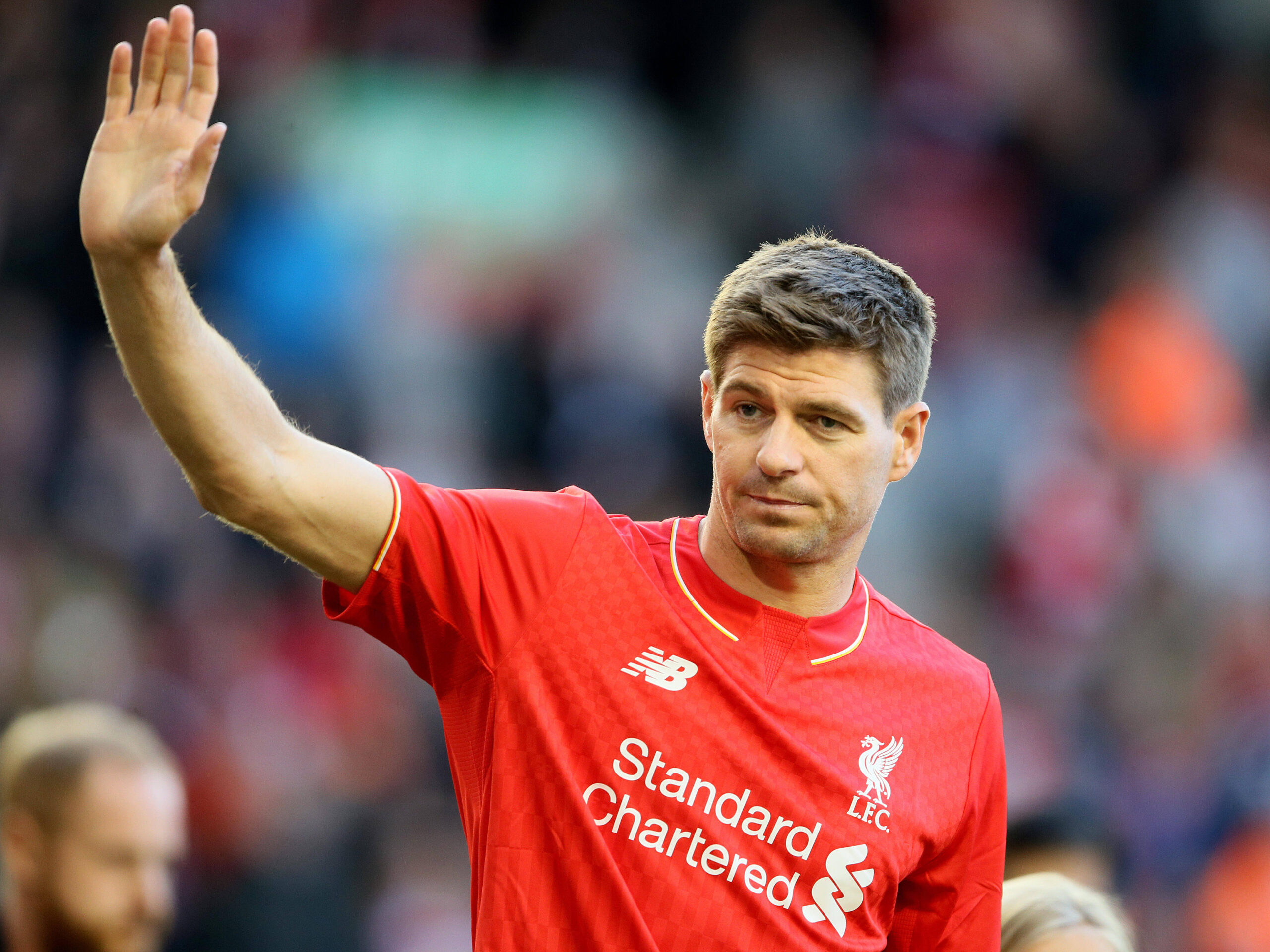
Steven Gerrard, the academy graduate turned captain, who spent 17 years marshaling the midfield, has emerged as the supporters’ chosen one. King Kenny Dalglish, the regal Scot who defined an era, finds himself relegated to second place. Ian Rush, the predatory striker, slots in at third. Mohamed Salah, the global icon whose electric presence transcends pitches, landed fourth. And then there’s John Barnes, a poet with a ball at his feet, rounding out the top five. It’s a roster that says much about recency bias, global outreach, and how even hallowed legacies aren’t immune to the dynamics of public polling.
“These lists, they aren’t really about objective truth, are they?” observed Dr. Anya Sharma, a sports sociologist from Islamabad’s Quaid-e-Azam University, during a recent digital conference on global football allegiances. “They’re a referendum on identity, a statement about what supporters value now. And for clubs like Liverpool, which boast colossal followings from Karachi to Kona, it’s also a brand exercise, a re-engagement with their most loyal consumers—the fans.”
Gerrard’s reign atop this peculiar pecking order isn’t just about his 700-plus appearances or 186 goals. It’s tied intrinsically to the folklore of the 2005 Champions League final—a night in Istanbul when he willed his team to an improbable comeback. That sort of grit, that visceral fight, resonates deeply. It’s the kind of narrative a thousand marketing campaigns couldn’t invent, let alone buy. And because of it, fans remember. But they’ve also remembered that incredible night with an intense recency that pushes earlier greats just a little further down memory lane.
The voting itself was an intriguing beast: around 1.4 million votes, we’re told, cast by a broad church of fans, former players, journalists, and a club panel. One has to admire the logistical undertaking, if not entirely the scientific rigor. Imagine attempting to compare different eras—the muddy pitches and brute force of the 70s against the hyper-analytics and social media omnipresence of today. It’s like trying to judge a Shakespearean tragedy against a Netflix binge; both are compelling, but entirely different beasts.
But the true marvel of this modern list lies lower down, especially in the fourth spot: Mohamed Salah. His inclusion, while well-deserved, is a powerful indicator of how rapidly the face of football’s commercial appeal has changed. For millions across the Muslim world—from Cairo to the teeming cities of Pakistan—Salah isn’t just a phenomenal forward. He’s a cultural phenomenon, a standard-bearer. His consistent excellence, his grounded demeanor (despite the blinding spotlight), has created a fervent loyalty that transcends local allegiances. His presence so high up isn’t just about skill; it’s a testament to global resonance. Liverpool knows this. You’d be daft not to.
“The global fan base isn’t just a talking point anymore; it’s the financial bedrock,” asserted Billy Hogan, Liverpool’s Chief Executive Officer, in a rare, off-record conversation. “When you’ve got supporters engaging by the millions from diverse markets—some watching on old VHS, others streaming in 4K—that cultural connection, that perceived emotional bond, is quantifiable. It pays dividends, literally.”
Because, really, these polls aren’t merely nostalgic exercises. They’re data points, engagement metrics for a club that operates as a multi-billion-dollar enterprise. They feed the content engine, justify merchandising pushes, — and provide talking points for pundits ad nauseam. It’s quite the machine, isn’t it?
What This Means
This internal ranking isn’t just a bit of fun for the terraces. It’s a revealing look into the political economy of modern football, where fan sentiment is meticulously harvested and commercialized. The very act of asking fans to vote creates a sense of ownership, a psychological investment that then translates into financial backing. The high placement of Mohamed Salah underscores the ongoing ‘Asianization’ and ‘Africanization’ of European football’s market reach, an economic imperative for clubs battling European football’s new financial front lines. Ignoring the millions of fans who wake up at odd hours in Lahore or Jakarta to catch a match would be financial malpractice.
The exercise also serves to cement narratives—official ones, often—around player legacies. Gerrard’s elevation confirms the club’s desire to lionize specific attributes (leadership, loyalty, drama) that resonate with certain fan segments. It provides a convenient focal point for brand identity, a hero-myth for the digital age. It’s clever, really. And in an increasingly commodified sports landscape, a narrative—especially one ‘chosen’ by the people—is perhaps the most potent currency a club possesses.