


Albuquerque’s Conundrum of Growth: When Geekdom Becomes Big Business
POLICY WIRE — Albuquerque, United States — It’s a tale as old as cities themselves: the ceaseless scramble for space, for relevance, for the next big influx of dollars. This time, though, it’s not...

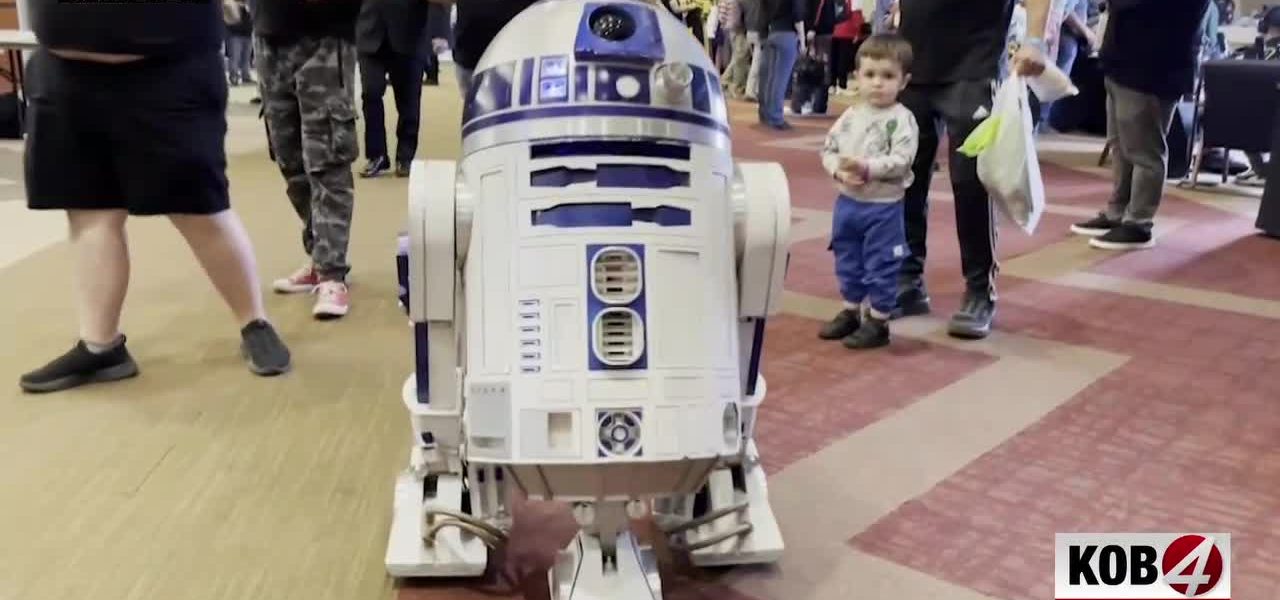
POLICY WIRE — Albuquerque, United States — It’s a tale as old as cities themselves: the ceaseless scramble for space, for relevance, for the next big influx of dollars. This time, though, it’s not some multinational conglomerate eyeing prime real estate, or a political party staging its annual summit. No, this particular land grab involves cosplayers, comic book artists, and a relentless quest for more elbow room for, well, geek culture.
Albuquerque Comic Con, a seemingly innocuous celebration of pop culture, is decamping from the snug confines of the city’s Convention Center. Its new stomping grounds? The sprawling grounds of Expo New Mexico. This isn’t just a simple logistical tweak; it’s a policy matter, folks—a symptom of an urban environment where entertainment, even of the cape-and-cowl variety, has grown too big for its britches, demanding real economic consideration. And frankly, it’s about money. Pure, unadulterated revenue that communities are increasingly banking on.
For Jim Burleson, the convention’s often-beleaguered promoter, this wasn’t some flight of fancy. It was, he implies, a moment of stark reckoning, a binary choice offered by the merciless logic of expansion. “We finally came to the point where, like, there were no other options for us,” Burleson reportedly stated, sounding less like a fanboy and more like a CEO facing down a quarterly earnings call. “We either needed to grow or die.” A brutal assessment, wouldn’t you say, for an event ostensibly built on fantastical escapism? He isn’t wrong, though. The convention, according to internal figures cited by the promoter, had sold out two years running, pushing attendance toward 52,000. Now, they’re gunning for 75,000 tickets, — and you can’t stuff that many Batmen and Wonder Women into just any old hall.
But how, one might wonder, does a comic convention outgrow a conventional convention center? The old venue simply didn’t cut it. Organizers cited a particularly vexing scheduling conflict with the indoor track facility on the east side of the building—a mundane bureaucratic detail that ultimately shoved thousands of eager fans into new territory. Expo New Mexico, with its seemingly endless array of buildings—Tingley Coliseum, the Manuel Lujan Building, the Creative Arts Center—offers a solution. It’s a canvas for an almost civic-scale reimagining of the convention experience.
And what an experience they promise. Live wrestling? A full-blown street block party? These aren’t just add-ons; they’re calculated draws designed to juice attendance numbers and increase dwell time, enriching vendors and local businesses alike. “We’re able to do things now because of the space provided that we weren’t able to do before,” Burleson explained, laying out an agenda that sounds less like a typical convention and more like a small city fair. The sheer scale allows for a predicted 600 vendors, a veritable bazaar of pop culture merchandise.
Dan Mourning, the General Manager of Expo New Mexico, positively gleams with the prospect. He talks about an “experience unmatched by anything they’ve ever done.” Optimistic, sure, but his conviction underscores a fundamental shift in how public-facing entities are valued. These aren’t just spaces; they’re engines. But what about the chilly January air, — and the inevitable treks between buildings? Mourning dismisses these concerns with a veteran’s aplomb. “Don’t worry about that,” he’s quoted saying. “The buildings are right literally next to each other there. It’s a really short walk.” A reassuring promise, delivered with a smile.
📄 POLICY WIRE WHITEPAPER PUBLISHED: PAKISTAN'S NATIONAL SECURITY POLICY PRIORITIES
👉 READ BY CLICKING HEREWhat This Means
This move, ostensibly about securing more floor space for fandom, tells a deeper story about urban economics and the surprising heft of leisure industries. Firstly, it signals Albuquerque’s growing ambition as a host city. Securing larger events means more tourist dollars, more hotel nights, more restaurant tabs—a tangible injection into the local economy that politicians simply can’t ignore. It highlights an urban policy challenge: how do cities, often saddled with aging infrastructure, adapt to the insatiable demands of mass cultural phenomena?
It also represents a soft power victory, of sorts, for American popular culture. Just as mixed martial arts events find massive, adoring audiences from Abu Dhabi’s octagonal arenas to nascent fan conventions across South Asia and the Muslim world, the sheer pulling power of American comic books, film, and gaming underscores a global cultural reach. Many developing nations, like Pakistan, with burgeoning youth populations and an appetite for modern entertainment, look to these Western models, even as they contend with their own complex infrastructure and cultural challenges. The demand for these sprawling, experiential events is truly global, mirroring, in a small way, the aspiration for world-class urban amenities.
Beyond that, it’s about competition. Every city wants a piece of this economic pie. Expo New Mexico’s gain is the Convention Center’s loss, showcasing the inherent fluidity in how and where municipalities derive economic benefit from large gatherings. Because, ultimately, the business of spectacle—be it a major sporting event or a gathering of costumed enthusiasts—is always big business, with very real winners and losers in the contest for civic pride and tourist dollars. Sometimes, though, rules get bent, and ambitions falter, reminding us that even the most well-laid plans can hit an unexpected snag. For now, Albuquerque’s Comic Con looks poised for expansion, pushing its humble beginnings into a broader economic landscape.