

Bayern’s Bench Gambit: Youth Talent as Global Workhorse Amidst Player Burnout
POLICY WIRE — Munich, Germany — There’s a certain grim efficiency to how the biggest football clubs operate, an almost ruthless calculus that reduces human beings, no matter their burgeoning talent,...

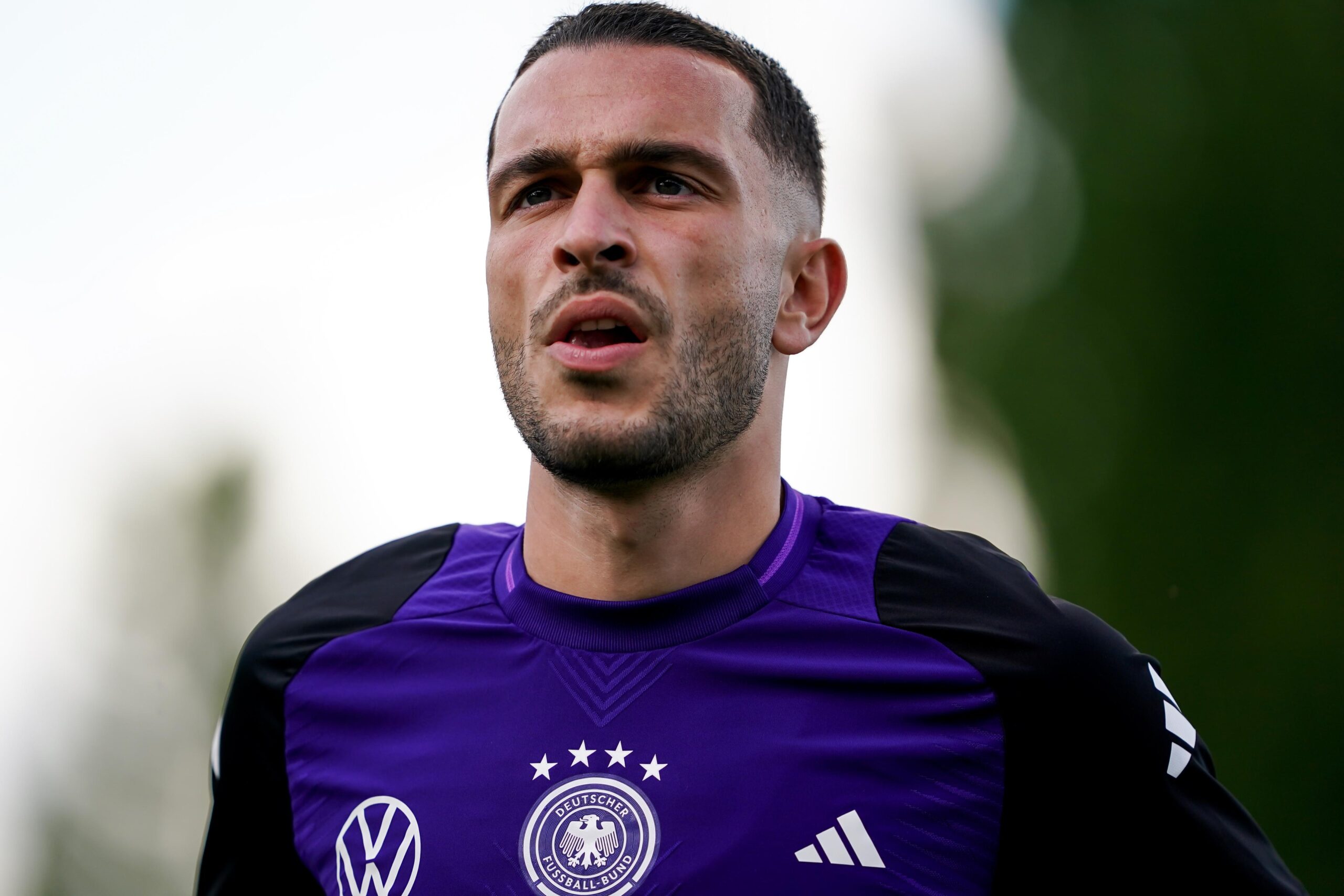
POLICY WIRE — Munich, Germany — There’s a certain grim efficiency to how the biggest football clubs operate, an almost ruthless calculus that reduces human beings, no matter their burgeoning talent, to strategic assets on a ledger. This week’s tidbit from Bayern Munich, the German football juggernaut, serves as a quiet reminder. It isn’t about some star signing or record transfer fee, but rather the low-key retention of a 20-year-old, Arijon Ibrahimović, slated to become—wait for it—a human Swiss Army knife, a backup across all four attacking positions.
It sounds less like a triumph — and more like an initiation into the meat grinder of modern elite sport. According to Sky Germany’s Kerry Hau, confirmed by Bayern itself through channels more discreet than the club’s usual fanfare, Ibrahimović won’t be farmed out on loan again. Oh no. His destiny, following a talk with manager Vincent Kompany, is to be the utility man, the insurance policy, the fellow who plugs the holes when the marquee names inevitably tire or, heaven forbid, get a niggle.
This isn’t just about one young man’s career trajectory. It’s a tell, a subtle crack in the glossy veneer of Europe’s superclubs, exposing the grinding gears beneath. Kompany’s strategy—to keep Ibrahimović as the flexible reserve—speaks volumes about the brutal realities facing teams like Bayern, Manchester City, or Real Madrid. The schedule, an incessant beast demanding games, games, — and more games, pushes players past breaking point. You don’t need a doctorate in sports science to see it: the big guns like Harry Kane, Michael Olise, and Luis Díaz, who carved up defenses last season, are returning from an offseason that barely existed for many. They’ve endured European club competition, domestic leagues, — and then, for many, the World Cup. It’s an unrelenting pace.
And managers like Kompany aren’t sentimentalists. They’re pragmatists. They see the data, the projected minutes, the inevitable fatigue that drains performances — and raises injury risks. Because the demands of the global football calendar, particularly for players from non-European nations, means transcontinental travel that would fell a lesser athlete. Picture players like Morocco’s Achraf Hakimi or Pakistan’s Easah Suliman (though at a different club level) crisscrossing continents for international fixtures, then expected to deliver peak performance days later for their clubs. It’s a miracle they manage. Bayern’s move acknowledges this brutal reality: you need bodies, diverse bodies, capable of filling diverse roles.
Jan-Christian Dreesen, Bayern’s CEO, recently hinted at this institutional pressure. “The investment in our youth academy,” he confided during an earnings call, his tone crisp and devoid of emotional frills, “is directly tied to sustainable competitive advantage. We cannot simply buy talent in every position to withstand the rigors of a modern schedule. A versatile youth player who understands the club’s DNA, who’s ready to step up, saves us not only transfer fees but provides essential stability.”
That stability comes at a personal cost. Arijon Ibrahimović, born in Germany but of Kosovan-Albanian heritage, now carries the weight of a multinational conglomerate’s schedule. He’s not just a footballer; he’s part of the supply chain management of elite sport. Kompany himself, in a rare moment of introspection with Policy Wire, articulated his operational philosophy: “Look, we’re building a squad here, not just a starting XI. Every player, particularly someone with Arijon’s versatility — and drive, is a piece of that puzzle. It’s about readiness, about understanding that football at this level isn’t just eleven guys for ninety minutes; it’s a marathon, not a sprint.”
But how long can these players run such a grueling marathon? Industry analysts estimate that players at elite European clubs now face an average of 65 to 70 competitive matches per season across all competitions—a figure that has crept up by nearly 10% in the last decade, stretching resources thin. This data, widely cited in sports management forums, puts a finer point on Bayern’s choice. It’s less about belief in Ibrahimović’s star power — and more about necessity.
What This Means
The pragmatic decision to keep Arijon Ibrahimović in-house at Bayern, not as a guaranteed starter but as a designated squad polymath, signals a deeper economic and structural shift in elite football. It’s not merely about individual talent; it’s about crisis management for clubs under relentless performance pressure. The economics dictate constant success, feeding vast global audiences—including burgeoning fan bases in places like South Asia, where European leagues command immense viewership. These clubs are global brands, operating in an entertainment landscape that mirrors geopolitical ambitions: constantly expanding, always demanding more. The pressure on players, often flown across time zones to represent their countries, then immediately pressed back into club service, creates a profound sustainability problem. It’s a systemic risk, pushing players towards burnout, injuries, — and abbreviated careers. This ‘backup’ role, therefore, isn’t just about filling a position; it’s an institutional response to a broken, overstretched system. It points to The Price of Ambition: European Football’s New Financial Front Lines, where human capital becomes the most elastic and exploited resource. Because the stakes—financial, reputational, and for coaches like Kompany, job security—are simply too high to leave anything to chance. They can’t afford to run an understaffed war.
It suggests that major clubs aren’t just looking for specific positions; they’re optimizing for adaptability, a commodity that reduces overhead and mitigates risk in an increasingly chaotic sports ecosystem. Presidential Touchdown: How a Phone Call Shattered Football’s Impartial Façade isn’t so far removed from the complex pressures bearing down on club decisions like this; political and economic forces intertwine deeply with sporting ones. What happens to young men like Ibrahimović under such duress, pulled into the maelstrom as a tactical relief valve, is a question that, for now, remains secondary to the imperative of winning. It’s an open secret that these systems chew through young talent, even as they laud its promise.