


Hokkaido’s Gilded Charm: Japan’s Quiet Gambit for Global Capital
POLICY WIRE — Tokyo, Japan — In the crisp, often-forgotten expanses of northern Japan, where snow falls deep and volcanic peaks scrape the sky, something subtle, yet profoundly strategic, is...

POLICY WIRE — Tokyo, Japan — In the crisp, often-forgotten expanses of northern Japan, where snow falls deep and volcanic peaks scrape the sky, something subtle, yet profoundly strategic, is stirring. It’s not just the chilled air over Lake Urumu. It’s a quiet recalculation of Japan’s place in a fractured global economy—a meticulous policy chess game, played out not with treaties or warships, but with meticulously crafted timber and private onsen pools.
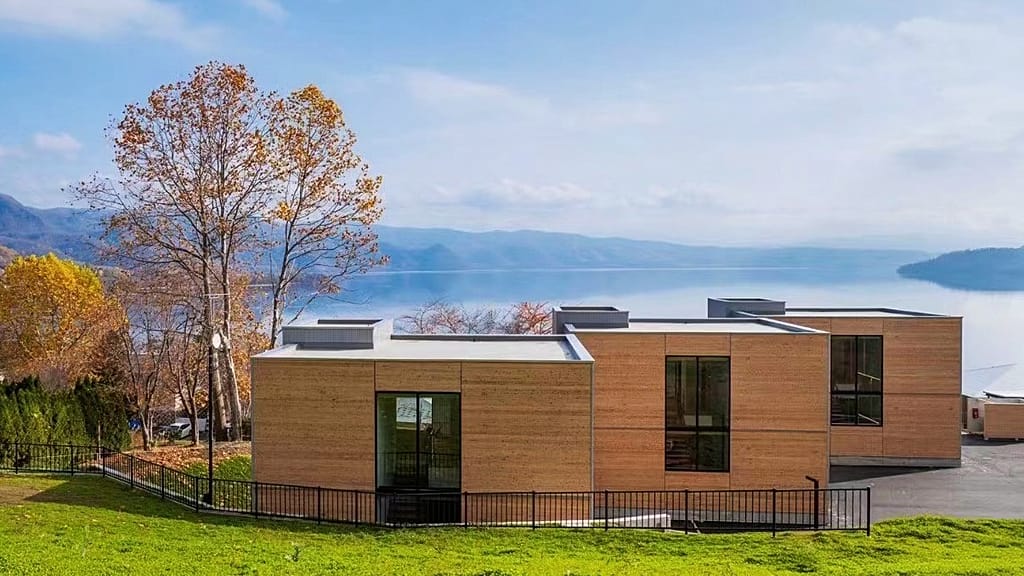
Consider the latest move: the grand unveiling of a luxury retreat near Niseko, spearheaded by Dusit, a Thai hospitality giant. This isn’t just another hotel; it’s a statement. A sprawling complex of villas, complete with open-air bathing and interiors fashioned from stunning, locally sourced wood. And it points to something bigger. This particular kind of luxury, this specific foreign investment in an aging demographic—it’s Tokyo quietly putting out the welcome mat, not just for tourists, but for long-term capital and a more diverse, affluent international demographic. It’s a signal, really, to anyone paying attention.
Because Japan, let’s be honest, hasn’t traditionally chased global billionaires with the same frantic energy as, say, Singapore or Dubai. But demographics—a shrinking, aging population—and a relentless regional economic scramble demand new strategies. That’s why you’re seeing these ultra-high-end properties pop up, not just in bustling cities, but in serene, relatively remote places like Hokkaido. They’re designed to attract the sort of wealth that wants stability, beauty, — and discreet indulgence. This is more than just tourism; it’s an active bid for a portion of the world’s movable capital. They want families, wealthy professionals, maybe even digital nomads to put down roots, or at least substantial seasonal ones.
“We’re moving beyond just welcoming tourists to appreciating long-term economic partners,” explained Takeshi Kanda, a senior advisor at Japan’s Ministry of Economy, Trade and Industry, during a recent, understated conference on regional development. “The economic landscape requires us to look past transient visitors toward those who see Japan, even its colder corners, as a place for sustained engagement. These developments reflect that shift, attracting not just yen, but a certain class of global citizen.” His tone, measured but firm, left little room for misinterpretation: they’re not messing around. They want your money, yes, but also your continued presence.
This high-end allure doesn’t stop at traditional Western markets. In fact, it barely begins there. The savvy move targets a wider net. Japanese diplomacy, particularly economic outreach, has made considerable inroads into the Gulf States and parts of Southeast Asia, countries experiencing their own burgeoning wealthy classes, sometimes in search of diverse, stable investment opportunities and unique leisure experiences beyond typical Mediterranean hotspots. For instance, according to recent Ministry of Finance data, foreign direct investment into Japan has steadily climbed, reaching roughly 254.6 billion USD in 2023, a significant portion reflecting diversified portfolio inflows. Think of sovereign wealth funds or powerful family offices from the UAE or Malaysia, now eyeing opportunities in sectors once deemed purely domestic.
But how does a resort in Japan, however plush, resonate with places like Pakistan or Indonesia? Simple: aspirational luxury. These developments serve as powerful symbols of Japanese excellence — and stability. They whisper promises of a meticulous service ethic and untouched natural beauty, things many in the developing Muslim world’s elite seek when exploring options abroad. It’s cultural soft power, wrapped in comfort. For many, Japan represents an alternative, safe harbor for investment and an appealing destination—a sophisticated counterpart to the sometimes turbulent realities back home, or the crowded excesses of more familiar destinations. It speaks volumes, doesn’t it, when wealth chooses a Hokkaido winter over a Costa del Sol summer? It’s not always just about climate, is it? Sometimes it’s about confidence, too.
📄 POLICY WIRE WHITEPAPER PUBLISHED: PAKISTAN'S NATIONAL SECURITY POLICY PRIORITIES
👉 READ BY CLICKING HEREAnd these luxury developments—they aren’t isolated incidents. They fit a pattern. This whole strategy is a calculated play. It’s a hedge against future demographic decline and an intentional re-positioning of Japan as a top-tier destination for not just cultural tourists, but also global wealth managers and discerning second-home owners.
But there are detractors, naturally. Some see a slight erosion of local culture. “We risk becoming a theme park for the global elite,” cautioned Akio Tanabe, a local business leader from a long-established Niseko family, his voice thick with a mix of resignation and skepticism. “These are beautiful, yes. But do they build actual communities? Or just insulated enclaves for the ultra-rich?” He’s not entirely wrong. It’s a delicate balance, obviously, between attracting capital — and preserving identity.
And it’s a tightrope walk—trying to attract that kind of capital without turning into a sterile playground. You can see Squatters’ Gambit: When Tropical Dreams Morph into Legal Nightmares, if you want a look at what happens when these things go off the rails.
What This Means
This subtle, sustained push into high-end tourism and long-term residency schemes in regions like Hokkaido reflects a deepening maturity in Japan’s economic policy. Tokyo isn’t just reacting to its demographic challenges; it’s proactively re-shaping its appeal on the world stage. It’s a pivot toward attracting high-net-worth individuals—and their accompanying capital and, crucially, their tax revenues—who can contribute meaningfully to local economies over extended periods. This strategy carries significant geopolitical weight too: it positions Japan as a stable, appealing destination amidst global uncertainties, drawing a contrast with regions facing their own internal strife or external pressures. And from a broader policy perspective, it aims to distribute economic benefits more widely across the archipelago, beyond the traditional urban hubs, revitalizing rural areas. But there are inherent risks: the potential for widening wealth disparities within Japan, the commodification of local heritage, and environmental strain if not managed with meticulous planning. The ultimate success won’t be measured by occupancy rates alone, but by how skillfully Tokyo manages these complex tradeoffs, shaping a future that embraces global capital without sacrificing local soul. It’s an interesting dance, this quest for economic relevance, one step at a time.