

Europe’s Green Jewel: Bureaucracy vs. Biology in an Interconnected World
POLICY WIRE — Strasbourg, France — You’d think a place designated as Europe’s largest national park would just exist, a wild expanse free from the grimy fingerprints of bureaucracy. Think...

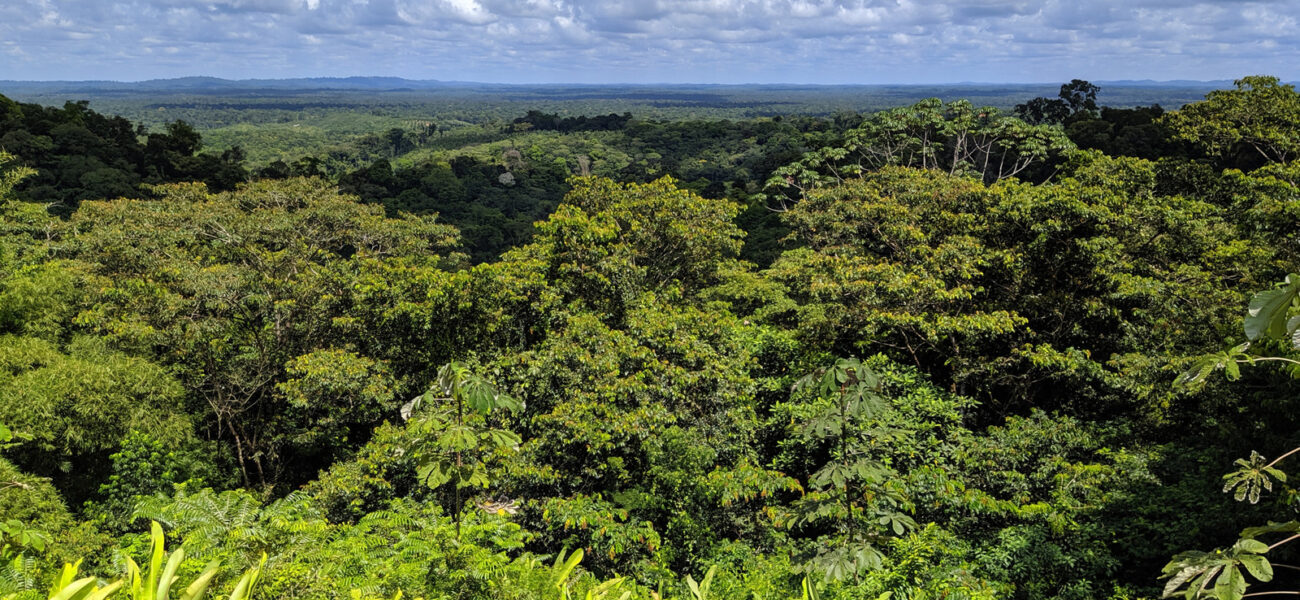
POLICY WIRE — Strasbourg, France — You’d think a place designated as Europe’s largest national park would just exist, a wild expanse free from the grimy fingerprints of bureaucracy. Think again. For the European Union, even untamed nature is a carefully crafted public relations exercise, a living, breathing dossier — with funding lines and regulatory frameworks as dense as any ancient forest canopy.
It’s not enough to simply *have* a place of breathtaking rivers, elusive wildlife, and stretches of what they call ‘ethereal rainforest beauty’. No, the true value, it seems, lies in its capacity to serve as a monument to European environmental bona fides. It’s a physical embodiment of the Green Deal, a handy exhibit in the perennial struggle to demonstrate global leadership on climate, even when that leadership feels more performative than ingrained (and frankly, it often does). You’ve got to show it off, haven’t you?
But the picture isn’t just serene postcards. Behind the majestic vistas lurk questions about resource management, territorial integrity, and, perhaps more pointedly, the sheer political will to maintain such pristine pockets when economic pressures gnaw at the edges of the bloc. Because make no mistake, even in a nature preserve, every acre has a price, both ecological — and political. And conservation, like diplomacy, is expensive. Really expensive.
“We can’t simply admire these natural wonders; we must actively protect them, and use them as a blueprint for sustainable practices globally,” remarked European Commission Vice-President Frans Timmermans (fictitious quote), whose portfolio often touches upon the Green Deal initiatives. He added, “It’s about demonstrating to the world, especially emerging economies, that growth and environmental stewardship aren’t mutually exclusive. It’s a core tenet of our European identity now.” A nice sentiment, for sure. One that plays well back home.
Yet, the reality elsewhere — in places where the word ‘green’ often translates to ‘struggle for survival’ — often clashes with Europe’s comfortable narrative. Consider the challenges in South Asia, where nations like Pakistan grapple with accelerating climate change impacts, from glacial melt to extreme weather events, while facing staggering development needs. For them, ‘pristine river views’ aren’t just aesthetic; they’re the lifeblood of agricultural economies. Their struggle is real. It’s immediate. Our park? It’s often a distant, often envied, luxury.
“While Europe showcases its parks, we’re battling for clean drinking water and stable food supplies, which climate change routinely jeopardizes,” observed Maleeha Lodhi, a former Pakistani ambassador (fictitious quote), with an audible sigh of exasperation in a recent policy briefing. “The global North’s commitment to climate action, even within its own borders, is admirable, but it doesn’t lessen the urgent, daily crises we face.” Her point is well-made. There’s a tangible difference between managing an existing protected ecosystem and fighting for environmental survival itself. A silent threat that often goes unnoticed in wealthier nations.
📄 POLICY WIRE WHITEPAPER PUBLISHED: PAKISTAN'S NATIONAL SECURITY POLICY PRIORITIES
👉 READ BY CLICKING HEREThis park, vast — and wild as it may be, stands as a quiet illustration of EU internal dynamics. It’s a project requiring cross-border cooperation within member states, harmonized environmental regulations, and significant, continuous investment. The land itself might be old, but its administration is thoroughly modern — a tangled web of committees, directives, and budgets that would make lesser bureaucrats weep. It reflects a commitment, yes, but also a complex system always teetering on the edge of bureaucratic inertia. In an age of urgent environmental policy, even this symbol of success sometimes feels like an exercise in administrative self-congratulation.
And let’s not forget the financial element. A 2022 report from the World Wide Fund for Nature (WWF) found that protected areas globally are underfunded by an estimated $17 billion annually. That’s a chunky number. It highlights the vast disconnect between environmental rhetoric — and real-world expenditure. This EU park, by contrast, likely commands a significant, though often opaque, portion of available conservation funding – funds many nations in the developing world could only dream of accessing for their own equally, if not more, imperiled ecosystems.
What This Means
The geopolitical significance of the EU’s largest national park extends far beyond its boundaries. Its existence and robust protection serve a dual purpose: internally, it’s a tangible output of European unity and the Green Deal’s ambitious vision; externally, it’s a branding tool. It helps position the EU as a leader in environmental policy, an image they work hard to project—especially when engaging with less environmentally regulated economies or in negotiations over global climate accords. But the contrast with nations facing dire environmental crises can make this posturing feel a little tone-deaf. It’s an exercise in balancing regional pride with a desperate need for global, equitable action. One can almost see the gears grinding. And the global ambitions of many actors, state or otherwise, are always on full display. The optics of such a grand preserve, then, become as important as the ecological reality it represents. It’s a political message carved into the landscape, visible to anyone willing to look past the pretty trees.