

Europe’s Last Wild Frontiers: A Policy Wire Investigation Into Untamed Nature Amidst Bureaucratic Grids
POLICY WIRE — Brussels, Belgium — Here’s a funny thing about modern Europe. We talk about its sprawling bureaucracy, its densely populated urban centers, its intricate economic grids. We dissect its...

POLICY WIRE — Brussels, Belgium — Here’s a funny thing about modern Europe. We talk about its sprawling bureaucracy, its densely populated urban centers, its intricate economic grids. We dissect its political machinations in darkened backrooms— shadow games, some call ’em. But out there, on the continent’s far-flung fringes, lies something… primal. Something immense. A sprawling wilderness that feels, honestly, a bit out of place, defying every spreadsheet and directive coming out of the EU capital.
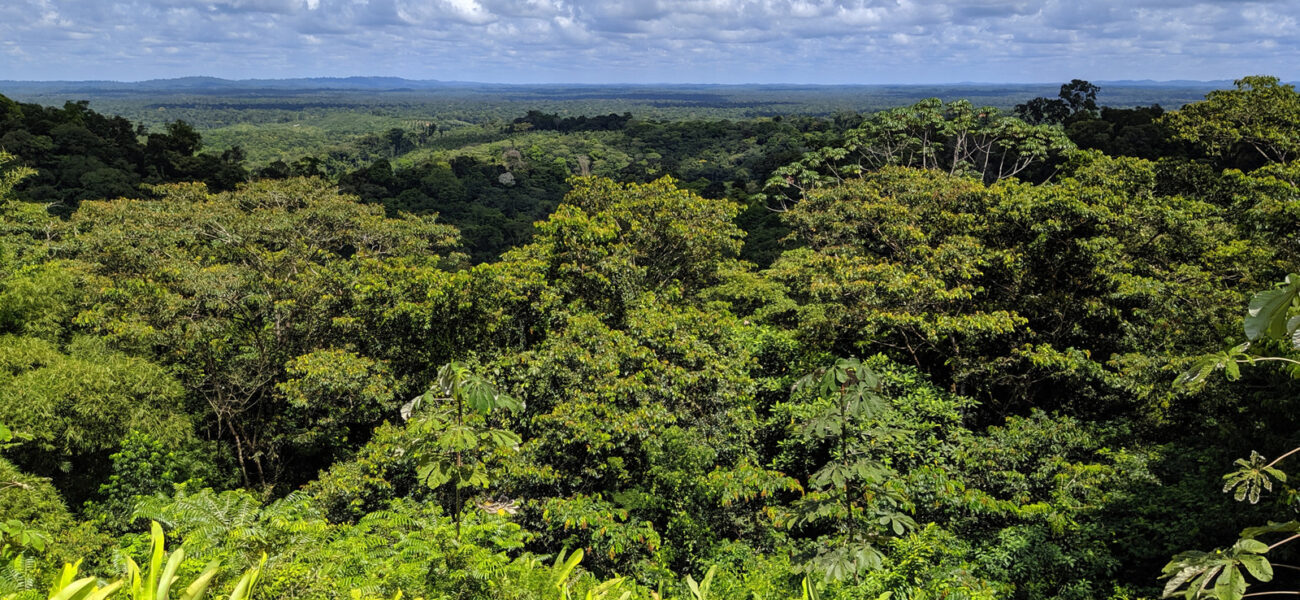
It’s a place that isn’t supposed to exist in the collective imagination of a ‘civilized’ landmass. The European Union’s largest national park isn’t just a patch of green— it’s a testament to raw, undiluted natural power. A place boasting what officials gush about as [QUOTE_PLACEHOLDER], and if you ever get a glimpse, well, they ain’t wrong. This isn’t your manicured botanical garden; this is untamed, untamed beauty. Folks often forget that, amidst the debates about agricultural subsidies and trade tariffs, there’s still vast, incredible wildness being guarded.
But how, you might wonder, does such a primeval landscape survive, let alone thrive, in a region where every inch seems mapped, exploited, or at least heavily managed? It’s not just a happy accident; it’s a deliberate, decades-long policy gamble that has, remarkably, paid off. They’ve spent a fortune, invested endless political capital. The idea was to keep this enormous swath of land virtually untouched, letting nature do its grand, messy work. You get the sense it’s almost an experiment, to see if the industrialized West can actually, truly, just *leave things be*. And that’s a tough ask, isn’t it?
Because that ethereal rainforest beauty they tout, those rare species nobody else seems to harbor anymore—they didn’t just materialize. There’s a persistent, often contentious, undercurrent of management, a balancing act between absolute preservation and the very real human pressures that always linger. Land use is always a hot potato. Locals, industry, and environmental groups often clash, pushing their own visions of what a protected area actually means. The delicate dance is continuous, almost an ongoing political negotiation with the very concept of nature. Somebody’s always arguing over something, saying [QUOTE_PLACEHOLDER].
But when you stand on one of those pristine river views, the scale of it all kind of just shuts you up. We’re talking millions of acres here, a monumental environmental asset. You can’t put a price tag on such things, though Lord knows plenty of economists have tried. And you don’t find this kinda elbow room just anywhere. Not today. It stands in stark contrast to other parts of the world, say, like the often-beleaguered wilderness areas of South Asia, where population pressures and, frankly, different political priorities, make such large-scale, undisturbed conservation almost impossible. Think about it: a protected area this big, without constant, existential threats of encroachment, feels like a luxury in much of the global south.
Take Pakistan, for instance. A country wrestling with everything from rapid urbanization to climate change impacts—devastating floods that regularly displace millions. While it’s home to some stunning, albeit smaller, national parks and conservancies, the sheer scale of the EU’s largest park is simply not achievable under current conditions. Pakistan, for all its efforts, has only managed to protect approximately 12.9% of its total land area under various protected categories, according to data from the Ministry of Climate Change. That’s a decent chunk, yes, but it often lacks the contiguous, truly wild, and pristine characteristics seen in Europe’s untouched gem. But then again, they’re starting from different places, aren’t they?
This park isn’t just pretty pictures for tourists; it’s a living, breathing policy outcome. It represents choices—tough choices, to cordon off enormous tracts of land, to prioritize the unseen health of ecosystems over immediate economic gains. It’s a statement, if a quiet one, that there’s still value in letting nature run wild, even in our hyper-regulated world. The irony? It takes a boatload of regulations, — and relentless enforcement, to keep it that wild.
What This Means
The existence of the EU’s largest national park isn’t just an ecological triumph; it’s a profound political and economic statement, whether intentional or not. Politically, it signals a deeper, long-term commitment to environmental conservation within the European bloc—a commitment that sometimes gets lost in the day-to-day squabbles over common agricultural policy or fiscal rules. It’s a quiet flex, a demonstration of collective will to safeguard natural capital even as economic engines whir. It says, ‘we can have industry, but we can also hold onto our wilds.’
Economically, it poses an intriguing paradox. While seemingly removing vast swathes of land from direct exploitation, it simultaneously creates opportunities in sustainable tourism, scientific research, and, crucially, provides invaluable ecosystem services. We’re talking about climate regulation, water purification—stuff that has measurable, albeit often externalized, economic benefits. But its very existence highlights a global disparity: not every nation has the luxury of dedicating such expansive, untouched territories to conservation. Nations like Pakistan, contending with escalating climate change impacts, burgeoning populations, and resource scarcity, often face tougher choices. For them, every acre has competing demands. And so, the EU’s park, in its splendor, becomes a quiet critique, a high bar for nations wrestling with harsher realities. It shows what’s possible with political stability and resources—something not every state can boast.