



England’s Aztec Gauntlet: A Gritty Win, or a Blueprint for Deeper Struggles?
POLICY WIRE — Mexico City, Mexico — Forget the tidy narratives, the tactical blueprints drawn on whiteboards with sterile precision. Sometimes, in the grand arena of international sport, a...

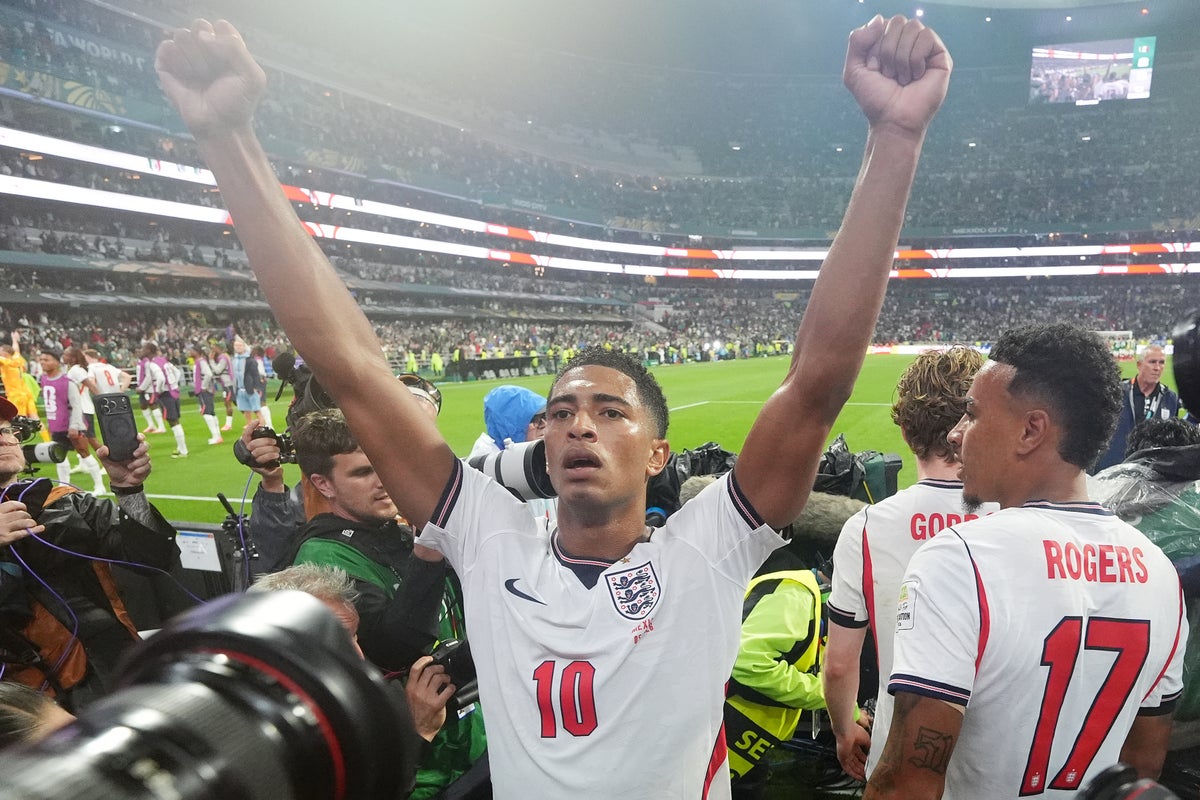
POLICY WIRE — Mexico City, Mexico — Forget the tidy narratives, the tactical blueprints drawn on whiteboards with sterile precision. Sometimes, in the grand arena of international sport, a team’s true character — or lack thereof — emerges only after enduring an absolute psychological pummeling. That’s what England got in Mexico City, a gladiatorial contest beneath the colossal canopy of the Estadio Azteca. It wasn’t pretty. It wasn’t dominant. But, boy, did they get it done, somehow pulling off what was arguably the country’s most dramatic ever World Cup win against a spirited, yet ultimately outmatched, Mexican side.
It was the kind of clash that strips away pretensions, leaving behind only the raw, throbbing pulse of belief, or the agonizing quiet of resignation. Mexico, playing at home, their supporters roaring, certainly brought the belief. England? They arrived burdened by historical baggage — those ghosts of 1986 swirling around the very same ground. But they left, gasping for air (and not just because of the altitude, you’d reckon), clutching a 3-2 quarter-final ticket to face Erling Haaland’s Norway. A grim sort of victory, perhaps, but a victory nonetheless. And sometimes, you know, that’s just all that counts when the chips are down. [QUOTE_PLACEHOLDER]
The match itself wasn’t exactly a masterclass of control. In fact, you’d be hard-pressed to call it anything but a dogfight. We saw Jude Bellingham and Jordan Pickford performing excellence at both ends, which, good as it sounds, actually means the lads had to scrape and claw their way through. Tuchel’s squad had to give their all, a phrase that usually precedes an honorable defeat, not a hard-fought triumph. Jarrel Quansah’s early sending off, courtesy of a VAR review that felt less like technology and more like cosmic intervention, amplified the tension tenfold. That was one of many, to go with multiple moments of doubt. It certainly tested emotions, especially amid those last 11 minutes of stoppage time that felt as long England’s 60-year wait.
But how often do these mega-events actually run smoothly for anyone? Just look at the team arguably the strongest on this side of the draw – even if that’s now very arguable – in Argentina. Their test of will against Cabo Verde was even more gruelling than this. Perhaps that’s just the nature of this World Cup, the gaps lessened, every game a battle. It’s not just a European or Latin American phenomenon; across the globe, from the English Premier League’s vast fan base in Karachi to the teeming football-crazy cities of Indonesia, the unpredictable drama of the beautiful game holds billions rapt. For context, global football viewership in South Asia alone topped an estimated 300 million for the previous World Cup’s knockout stages, according to FIFA’s own broadcast reports. The emotional investment in a national team’s journey, however chaotic, isn’t unique to any one continent.
England’s initial approach seemed shrewd, conscious of the excessive demands of this game, Tuchel had England play in a constrained approach where they invited pressure and then patiently hit Mexico on the counter. And it worked. For a bit. Bellingham, that phenom, With one drive forward, it was like Bellingham changed the entire tone of the match. He then bagged two goals, one plundering the first in brilliant fashion, another from a counter-press. That should’ve been that. Two-nil up, cruising to a comfortable, if gritty, win. That should have been the pattern of the game. But then, as often happens with this England squad, they simply frittered away themselves. Julian Quinones scored after a period of inexplicable English generosity with free-kicks, exposing a lingering fragility at the back. It always came back to this issue of control, or rather, the stark lack of it.
Thomas Tuchel’s tactical genius, deploying a hugely defensive – and risky – 5-3-1 once Quansah was sent off actually worked much better than expected, primarily because the anticipated Mexican siege never really arrived. That’s probably more a comment on Mexico’s finishing than England’s impenetrable defense, though Pickford did produce two sensational saves in the first half that weren’t far behind Gordon Banks’s in the same country. Ultimately, Harry Kane’s decisive penalty—another pressure-cooker moment—and Bellingham’s ubiquitous presence just barely tipped the scales. The 11 minutes of injury time, filled with only Mexican crossing and a near heart attack for English supporters, served as a fittingly agonizing coda.
They’ve still got a lot of issues, yes. The rapid appearance of gaps at the back and their struggle to assert any kind of control are hardly secrets. But what can you say? They survived. They found a way. They instead ensured 2026 is a different story, for now, or at least they’ve made it past this gauntlet. This victory wasn’t just a football result; it was a testament to raw, stubborn resolve—a quality that often bypasses elegant analysis but gets the job done when all else fails. But is that enough? We’ll soon find out.
What This Means
England’s precarious victory isn’t merely a footnote in sports almanacs; it carries subtle yet profound political and economic implications. From a policy perspective, success on the global stage, however messy, serves as a powerful soft-power asset. A winning England team, deeply embedded in national psyche, provides a temporary balm for domestic political squabbles and injects a dose of collective pride. This can, for a fleeting moment, distract from less flattering headlines concerning economic stagnation or social fractures. But the nature of the win—scrappy, fortunate, lacking true dominance—exposes the fragile underpinnings of this confidence.
Economically, every round advanced in a major tournament translates into millions in boosted retail spending, increased tourism interest, and significant gains for broadcasters and advertisers. Even a fraught victory like this ensures continued commercial momentum, sustaining a significant if often unquantified sector of the economy. The English team’s continued progression means sustained engagement from a global audience, including lucrative markets in South Asia and the Gulf where English football is religiously followed, contributing to a substantial portion of global sports marketing revenue. However, the persistent structural flaws, highlighted by the team’s lack of consistent control and reliance on individual brilliance, hint at deeper inefficiencies. For Policy Wire, it’s a reminder that even in sporting spectacles, national character, strategy, and even underlying vulnerabilities are laid bare. This sort of gritty resilience, while admirable, can only stretch so far before superior organization triumphs.

