

European Wildfires Rage, International Aid Mobilizes
POLICY WIRE — Lisbon, Portugal; Athens, Greece — A relentless inferno has gripped sections of Southern Europe, demanding the mobilization of hundreds of firefig...

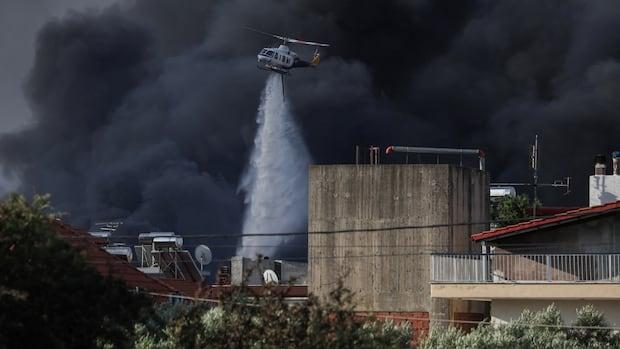
POLICY WIRE — Lisbon, Portugal; Athens, Greece — A relentless inferno has gripped sections of Southern Europe, demanding the mobilization of hundreds of firefighters across Portugal and Greece. With a massive blaze continuing its destructive path for more than three days, the scale of the emergency has prompted international assistance, drawing resources from neighboring Spain and Italy as conditions persist into Sunday. (Reporting based on wire dispatches)
The severity of the situation underscores the annual challenge many Mediterranean nations face as summer temperatures climb. In Portugal, where the fires are particularly fierce, firefighters have been locked in a multi-day struggle against advancing flames. Simultaneously, Greek authorities contend with similar outbreaks, necessitating extensive deployment of ground crews and aerial support.
The collective effort to contain these conflagrations transcends national borders. Spain — and Italy, themselves no strangers to severe wildfire seasons, have dispatched crucial reinforcements. This cross-border solidarity is a recurring feature of wildfire emergencies in the region, where shared climatic vulnerabilities often compel a united front against natural disasters.
Wildfires of this magnitude typically arise from a confluence of factors, including prolonged droughts, strong winds, and exceedingly high temperatures. While the specific triggers for the current blazes were not immediately detailed, the European summer historically presents an ideal environment for rapid fire spread, transforming dry vegetation into highly combustible fuel. This yearly occurrence often puts significant strain on national emergency services, leading to appeals for, and provision of, external aid.
For nations like Portugal — and Greece, the economic and ecological impact of such prolonged fires can be devastating. Beyond the immediate destruction of forests, agricultural land, and in some cases, property, the aftermath often involves long-term ecological recovery challenges, air quality issues, and substantial financial costs associated with suppression and rehabilitation. The current battle waged by hundreds of firefighters, supported by resources from multiple European nations, highlights the critical stakes involved in each burning acre.
📄 POLICY WIRE WHITEPAPER PUBLISHED: PAKISTAN'S NATIONAL SECURITY POLICY PRIORITIES
👉 READ BY CLICKING HEREWhat This Means
The ongoing wildfires in Portugal and Greece, and the resulting call for international aid, underscore a deepening climate reality across Southern Europe. What was once considered a seasonal nuisance has evolved into a recurring, often catastrophic, challenge demanding sustained and coordinated responses. This incident is not an isolated event but rather a symptom of broader trends – hotter, drier summers and more unpredictable weather patterns — that significantly increase wildfire risk and intensity.
For affected nations, this likely means a continued reevaluation of forestry management practices, urban planning at the wildland-urban interface, and enhanced international cooperation mechanisms. The deployment of resources from Spain and Italy exemplifies established mutual aid protocols within the European Union, which are critical for tackling crises that rapidly overwhelm individual national capabilities. Moving forward, the financial burden of fighting these increasingly large and frequent fires, alongside the costs of long-term environmental recovery, will put pressure on national budgets and potentially drive innovative solutions in fire prevention and rapid response technology. While the immediate focus remains on containment, the long-term implications point towards the urgent need for robust climate adaptation strategies to mitigate the escalating impact of such events.