


Indian Cricket: Public vs. Policy in Player Selection
Indian cricket's brutal truth: Fan favorite Suryakumar Yadav benched despite public outcry. Discover the cold, corporate logic behind player selection decisions.

POLICY WIRE — Mumbai, India — In the cutthroat arena of professional sport, where gladiators are born, burn brightly, and then, often just as swiftly, fade, a curious tension has emerged from the fevered heart of Indian cricket. It isn’t the fierce on-field rivalry with England or the debut of a wunderkind; it’s the peculiar sidelining of a fan favorite, Suryakumar Yadav, the man affectionately known as ‘SKY.’ Because while the public clamors, team management, it seems, marches to a different drummer entirely. A brutal sort of realpolitik governs player selection, — and sometimes, public adoration just isn’t enough.
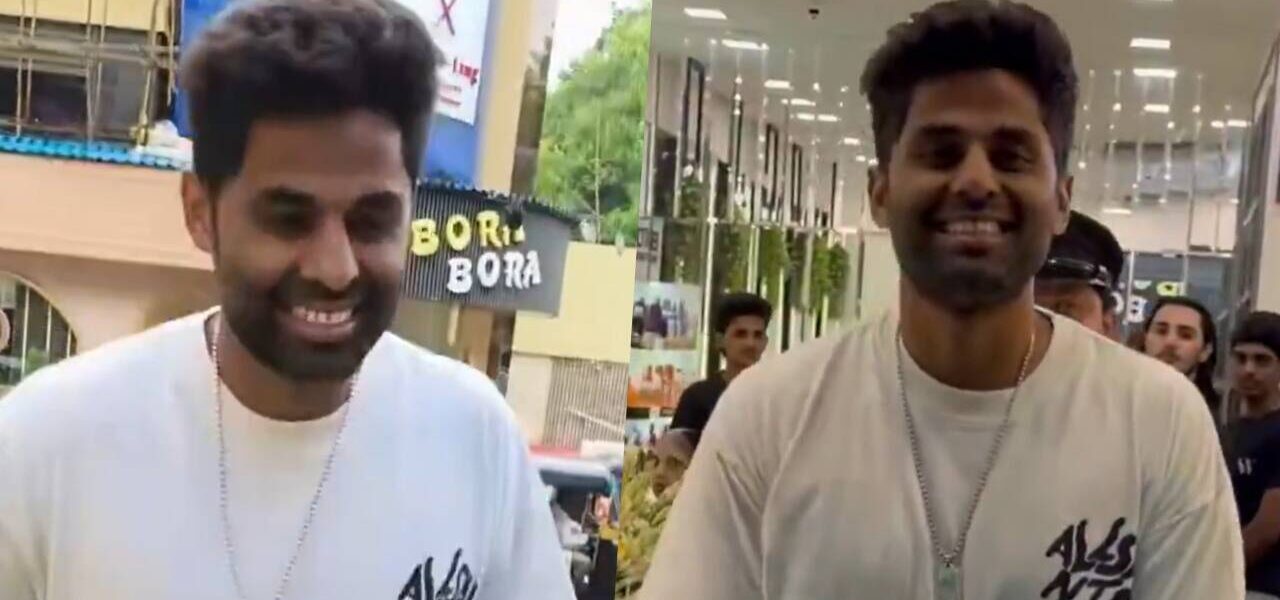
It began innocuously enough. Reporters, perhaps sensing an undercurrent of public unease, presented the former T20I captain with the collective angst of a nation missing his pyrotechnics. “Fans are missing you,” they suggested, expecting perhaps a lament, a protest. What they got instead, delivered with a self-effacing grin and a ripple of laughter from the room, was an utterly disarming, almost shrug-worthy response in Hindi: “Mujhe? Aare accha toh chal raha hai” (“Me? But things are going well, aren’t they?”). A simple phrase, yet it became a viral moment, a stark observation on the brutal churn of a sporting empire that consumes and discards talent with the ruthlessness of a market adjusting to demand.
But ‘going well’ for whom, exactly? Yadav, a key architect in India’s T20 World Cup triumph and ranked among the format’s elite batters, found himself watching from the sidelines as 15-year-old Vaibhav Sooryavanshi became India’s youngest international cricketer. It’s a brutal narrative, isn’t it? One minute you’re the star, the next a prodigy younger than your career—or perhaps your cricketing pads—is making headlines. This isn’t just about one player; it’s about the unwavering, unfeeling march of institutional strategy.
Chief selector Ajit Agarkar, speaking discreetly earlier, perhaps summarized the cold calculations at play. “Look, decisions like these aren’t made lightly. We’re looking at squad balance, long-term trajectory,” Agarkar is understood to have conveyed. “It’s never about one player; it’s about the unit. And Suryakumar, he’s a talent, nobody’s denying that. But we’ve got to make tough calls for the future of Indian cricket.” It’s the perennial balancing act between veteran experience and youthful exuberance, isn’t it? A game theory problem played out in whites — and blues.
And yet, a veteran Board of Control for Cricket in India (BCCI) official, preferring anonymity to avoid public ire, recently mused on the wider implications. “The board understands fan sentiment, it’s massive in India. But selection isn’t a popularity contest; it’s about performance and strategy,” the official explained with a dismissive wave. “We can’t let sentiment dictate national team policy—it just doesn’t work that way, does it?” No, it doesn’t, especially when national pride and billions in sponsorship revenue hang in the balance. The global talent economy, after all, values performance over popularity.
Indeed, India’s cricketing might isn’t just a matter of runs and wickets; it’s an economic powerhouse, a cultural touchstone that reverberates across South Asia and the broader Muslim world. From Karachi to Kuala Lumpur, a certain reverence, mixed sometimes with rivalry, defines how India’s sporting prowess is viewed. The Indian Premier League (IPL), a jewel in the cricketing calendar, generated an economic output of INR 11,500 crore ($1.4 billion USD) in its 2022 season alone, according to a Deloitte report. That’s a significant chunk of change, — and every selection, every dismissal, is a cog in this colossal machine. Decisions in Mumbai echo even in the alleys of Dhaka and Lahore, influencing youth aspirations and national sporting strategies, even shaping broadcasting deals.
📄 POLICY WIRE WHITEPAPER PUBLISHED: PAKISTAN'S NATIONAL SECURITY POLICY PRIORITIES
👉 READ BY CLICKING HEREWhat This Means
This episode isn’t merely a tempest in a teapot for cricket tragics; it’s a window into the hard realities of high-stakes global enterprise. Professional sports, particularly in a market as colossal as India’s, functions less like a romantic tale of heroes and more like a brutally efficient corporation. Talent management isn’t about loyalty; it’s about optimizing a roster for peak performance and long-term viability, irrespective of past glories or public campaigns. They’ve got to think ahead. And it signifies the relentless pressure on individual athletes, too. Even top-tier players are ultimately commodities, subject to market fluctuations—that’s, selectors’ whims—and strategic overhauls.
This dynamic also highlights a growing disconnect. While fans yearn for the emotional connection with their idols, the institutions operating at the highest levels are coldly pragmatic. Public opinion is important, certainly, for ticket sales — and broadcast ratings. But it rarely—or shouldn’t, in their eyes—dictate policy. For players, it’s a stark reminder: talent alone won’t keep you in the eleven. Adaptation, sustained form, and fitting into a constantly evolving tactical blueprint are the true arbiters of longevity. For the 15-year-old debutant, it’s a dream. For Yadav, a moment to reflect. But for the cricket establishment, it’s just another Tuesday—or rather, a match day. They’re already on to the next strategy. Frail victories and faltering arms can plague even the strongest outfits.