


MLB Streaming: Digital Divide & Global Cultural Access
An exclusive MLB stream exposed the digital divide. Discover how paywalled sports fragment cultural access, impact global soft power, and privatize America's shared experiences.

POLICY WIRE — Washington, D.C. — America’s grand Fourth of July weekend, steeped in hot dogs and fireworks, generally means one thing for many: baseball. It’s supposed to be an accessible, almost birthright kind of spectacle. But this particular holiday’s aftermath brought a quiet, almost imperceptible shift that, upon closer inspection, speaks volumes about our fracturing media landscape and the escalating digital divide, not just domestically, but globally.
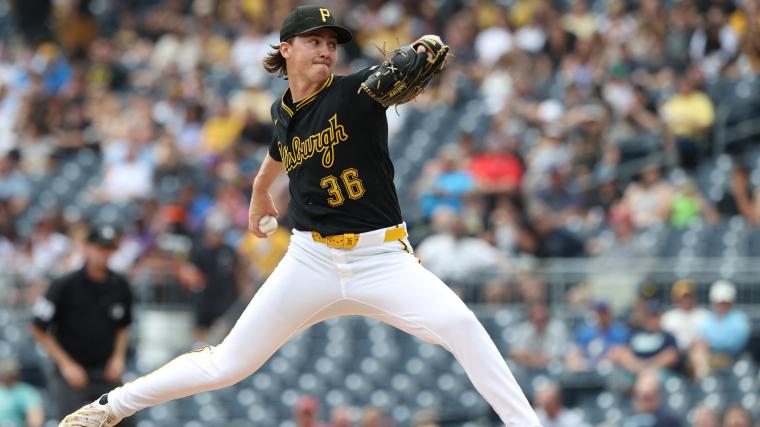
It wasn’t a presidential tweet storm, or another global market wobble that highlighted this evolving dynamic. No, it was a perfectly ordinary Sunday afternoon game — a clash between the Pittsburgh Pirates and the Washington Nationals. Instead of hitting network television like the traditional fare of bygone Independence Days, this seemingly mundane matchup found itself relegated to the exclusive, digital-only pastures of Peacock, NBC’s streaming platform. A seemingly innocuous scheduling decision, right? Well, that’s what they want you to think.
Consider the implication: a foundational American pastime, during one of its most hallowed weekends, deliberately pulled from universal free-to-air broadcast. This isn’t just about inconveniencing a few elderly fans who haven’t embraced smart TVs; it’s a symptom of a larger, systemic shift. It points to a future where access to shared cultural moments — from sports to political debates — becomes increasingly stratified, paywalled, and ultimately, less democratic. And because of it, we’re witnessing the quiet death of what once bound communities together, both at home — and abroad.
On the diamond, things were, as they say, happening. After dropping their Friday opener, Pittsburgh had secured a [QUOTE_PLACEHOLDER] evening up the series. For Sunday’s decider, Pirates right-hander Bubba Chandler was scheduled to take the mound. He was set to face Nationals starter Miles Mikolas. Now, Mikolas isn’t just any pitcher. This is the fellow [QUOTE_PLACEHOLDER] But, hey, no worries there; [QUOTE_PLACEHOLDER] A neat little bureaucratic twist that allowed him to participate, providing a fleeting moment of controversy that perhaps served to distract from the more significant, insidious machinations occurring off-field.
This isn’t merely about baseball; it’s about control, reach, — and monetization in a globalized world. When the official directive reads, [QUOTE_PLACEHOLDER] it’s a policy statement, not just a programming note. Peacock, after all, isn’t just offering this single game; [QUOTE_PLACEHOLDER] It’s a vast digital ocean of content, drowning out traditional broadcasting and establishing new gatekeepers. For a nation like Pakistan, where traditional cable and satellite TV remain prevalent for a substantial portion of the population, access to such niche (yet symbolically significant) American cultural events via proprietary streaming services poses a silent, accelerating challenge. How does a fan in Karachi, keen on following MLB or NBA, navigate a landscape where these events are fractured across multiple, often geo-restricted, subscription platforms?
📄 POLICY WIRE WHITEPAPER PUBLISHED: PAKISTAN'S NATIONAL SECURITY POLICY PRIORITIES
👉 READ BY CLICKING HEREIt’s not just an inconvenience. It’s a digital iron curtain. This fragmentation limits the organic spread of culture, and it fosters a multi-tiered system where economic capability dictates cultural participation. A 2023 report from PwC Global Entertainment & Media Outlook indicated that over-the-top (OTT) video revenues are projected to reach $113.8 billion by 2027. That’s a staggering sum, one that illustrates the financial muscle driving these strategic decisions, pushing traditional broadcasters into irrelevance. But it also creates significant barriers. It’s difficult to gauge precisely, but sources in Lahore suggest such platforms struggle to gain mass adoption in many South Asian markets, blocked by affordability issues, inconsistent internet infrastructure, and cultural content preferences. But when major events are exclusively on these platforms, it just makes people unable to watch. It’s that simple.
What This Means
The exclusive streaming of a Major League Baseball game, even one featuring middling teams, on a holiday weekend represents a microcosm of several intersecting political and economic forces. First, it highlights the aggressive pivot by media conglomerates towards subscription-based, direct-to-consumer models. This isn’t about better viewing experience (necessarily); it’s about maximizing revenue streams and collecting granular consumer data. This has direct implications for regulatory bodies—should sports, often seen as a cultural public good, be allowed to retreat entirely behind paywalls? Or is this merely a market evolution that governments shouldn’t impede?
Secondly, for international relations — and cultural soft power, this trend presents a peculiar paradox. While streaming services theoretically offer global reach, the fragmented nature of rights, geo-blocking, and disparate economic conditions in regions like South Asia often mean American cultural products are less, not more, accessible. How do you cultivate a love for baseball in Peshawar if the entry point requires a credit card, reliable high-speed internet, and a specific, localized subscription? It becomes a privilege rather than a public pastime. This could inadvertently diminish the reach and influence of American culture abroad, particularly in emerging markets where the digital divide is stark. It’s a subtle shift, but one that could, in the long run, subtly erode cultural bridges, leaving a few die-hard fans in places like Dubai or Dhaka wondering why they can’t simply turn on a public channel for the game. We’re watching America’s cultural commons privatize before our eyes—a development with implications that stretch far beyond the batter’s box, all the way to global connectivity and perceptions of American cultural outreach. But nobody’s really talking about it. That’s the real game being played.