


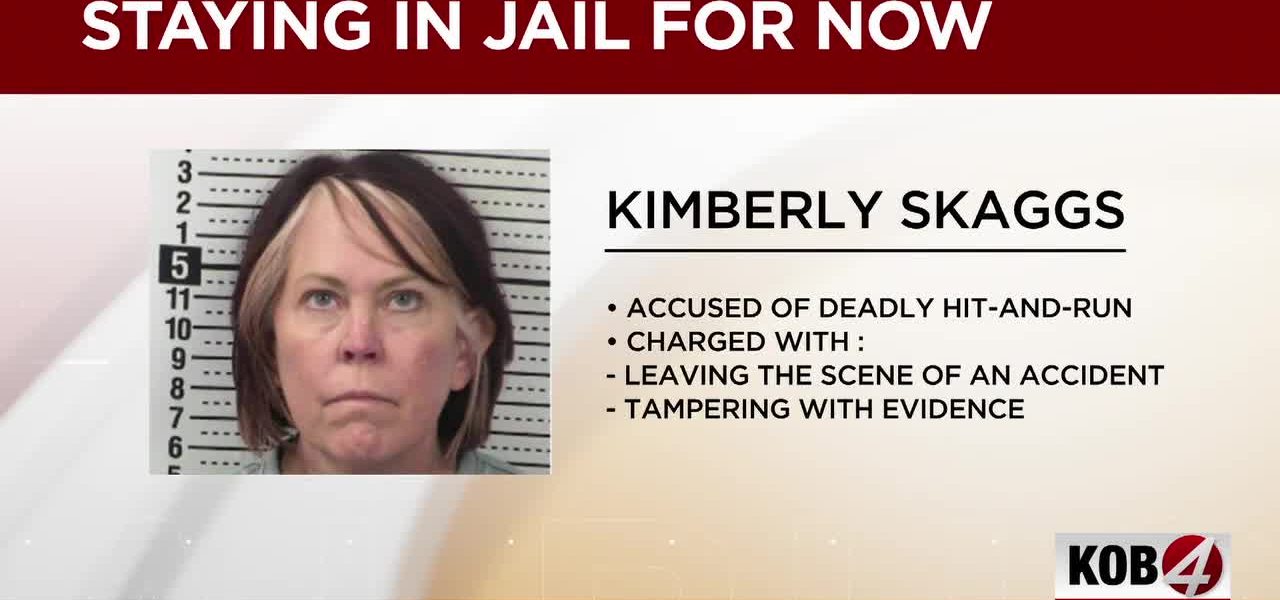
Ex-NM Treasurer’s Fatal Hit-and-Run Shakes State Politics
Former NM Treasurer Kimberly Skaggs jailed after fatal hit-and-run & alleged evidence tampering. Uncover the political fallout shaking the state GOP.

POLICY WIRE — Las Cruces, N.M. — It’s not often the meticulously crafted veneer of political respectability cracks so violently, laying bare the grimmer realities lurking beneath. For New Mexico’s Republican establishment, that rupture came not through a policy debate or an election challenge, but a desolate stretch of road in Las Cruces and the tragic, violent death of a man on a bicycle. And in the immediate aftermath, the party didn’t just distance itself; it practically sprinted for the hills, leaving a former state treasurer—Kimberly Skaggs—to face the music from behind bars.
Skaggs, once a diligent steward of Republican coffers, now inhabits the far less comfortable reality of a detention cell, her legal prospects as dim as the desert night. She’s been ordered to remain in custody after police accused her of an unthinkable sequence of events: striking a man on a bike, fleeing the scene, then, in a desperate — almost cinematic — attempt to erase her tracks, reportedly swapping out license plates and stashing her vehicle. Because sometimes, when the system’s supposed to protect you, it just puts your past misdeeds on a bigger screen for everyone to watch.
But this isn’t just a story about a bad accident or a quick, poor decision. Prosecutors, according to reports from NBC affiliate KTSM in El Paso, contend these were calculated actions designed to obscure responsibility. We’re talking about allegations of evidence tampering, flight from justice, and a flagrant disregard for the human life taken that night. The victim’s name hasn’t been widely publicized in these initial reports, another sad anonymity in a landscape too often marked by preventable tragedies. And for the families left grappling with inexplicable loss, the bureaucratic pronouncements offer cold comfort.
The swiftness with which the New Mexico Republican Party severed its official ties to Skaggs, claiming she was no longer affiliated shortly after the accusations surfaced, speaks volumes. It’s a cynical yet understandable act of political triage, an effort to excise the cancerous cell before it contaminates the whole body. But it also underscores a persistent theme in modern politics: personal accountability, especially when wrapped in scandal, often becomes an inconvenient truth to be shed rather than confronted head-on. Don’t think for a second the internal whispers aren’t about damage control, even if outwardly they project a firm stance against such alleged behavior.
Assistant District Attorney Javier Mendez didn’t mince words when addressing the court. “The evidence, as presented, points to a clear disregard for human life and an attempt to evade justice,” he stated, his voice resonating with professional gravity. “We intend to ensure accountability, regardless of past position or perceived influence.” Mendez’s assertion, while standard prosecutorial fare, carried extra weight in this context—a tacit acknowledgment of the public’s heightened scrutiny when political figures are involved. And they know it.
Meanwhile, the party’s official mouthpiece, reaching out to Policy Wire (off the record, of course, because transparency is a nuanced beast), offered a sterile, carefully worded distancing: “The party’s mission remains steadfast. Any individual’s alleged actions, however unfortunate, are entirely their own, and don’t reflect our values or our broader platform for New Mexico.” This came from a high-ranking official who wished to remain anonymous, likely because no one wants their name tied to this particular kind of cleanup duty. They’ve got campaigns to run, after all.
📄 POLICY WIRE WHITEPAPER PUBLISHED: PAKISTAN'S NATIONAL SECURITY POLICY PRIORITIES
👉 READ BY CLICKING HEREThis case, tragically, isn’t an anomaly in its core elements. The desperate act of fleeing a scene after an accident is alarmingly common. In 2021, according to data from the National Highway Traffic Safety Administration (NHTSA), an estimated 2,549 people died in hit-and-run crashes in the U.S.—an increase of 89% from 2009. That’s a stark, brutal figure. And what often follows, beyond the immediate tragedy, is the painstaking work of identifying suspects, gathering evidence, and fighting the deep human impulse to evade consequences, especially when the stakes are so terribly high.
Across oceans, from the bustling, chaotic streets of Lahore, where a chronic lack of urban planning and basic infrastructure can turn a simple daily commute into a fatal gamble for its most vulnerable citizens, to the sprawling, car-centric thoroughfares of the American Southwest, the collision of individual privilege and public safety often leaves devastating, irreversible marks. Just look at the tragic narratives emerging from cities grappling with similar societal failings, often captured in harrowing detail, as seen in Lahore’s unseen collapse. The underlying dynamics, albeit different in specific context, echo similar issues of power, vulnerability, and systemic negligence, even if unintentional.
What This Means
This incident transcends a simple criminal charge; it slices right into the heart of public trust and political perception. For the New Mexico Republican Party, it’s an undeniable blow to their image, irrespective of how quickly they attempted to disown Skaggs. It fuels the cynical narrative that politicians, or those close to power, often operate under a different set of rules—a perception only reinforced by alleged attempts to tamper with evidence.
Economically, there’s no direct market fallout, but the political capital spent on managing such scandals exacts its own invisible toll. It saps energy, distracts from core messaging, and can certainly influence future voter sentiment, particularly among those already skeptical of the political class. It’s a reminder that even at the local level, money and influence, as highlighted by broader debates around campaign finance like those touched upon in the High Court’s impact on political arenas, can become tainted by alleged misconduct. More broadly, it underscores the persistent, uncomfortable truth that for all the carefully constructed facades of law and order, human fallibility, desperation, and moral blindness remain terrifyingly potent forces.